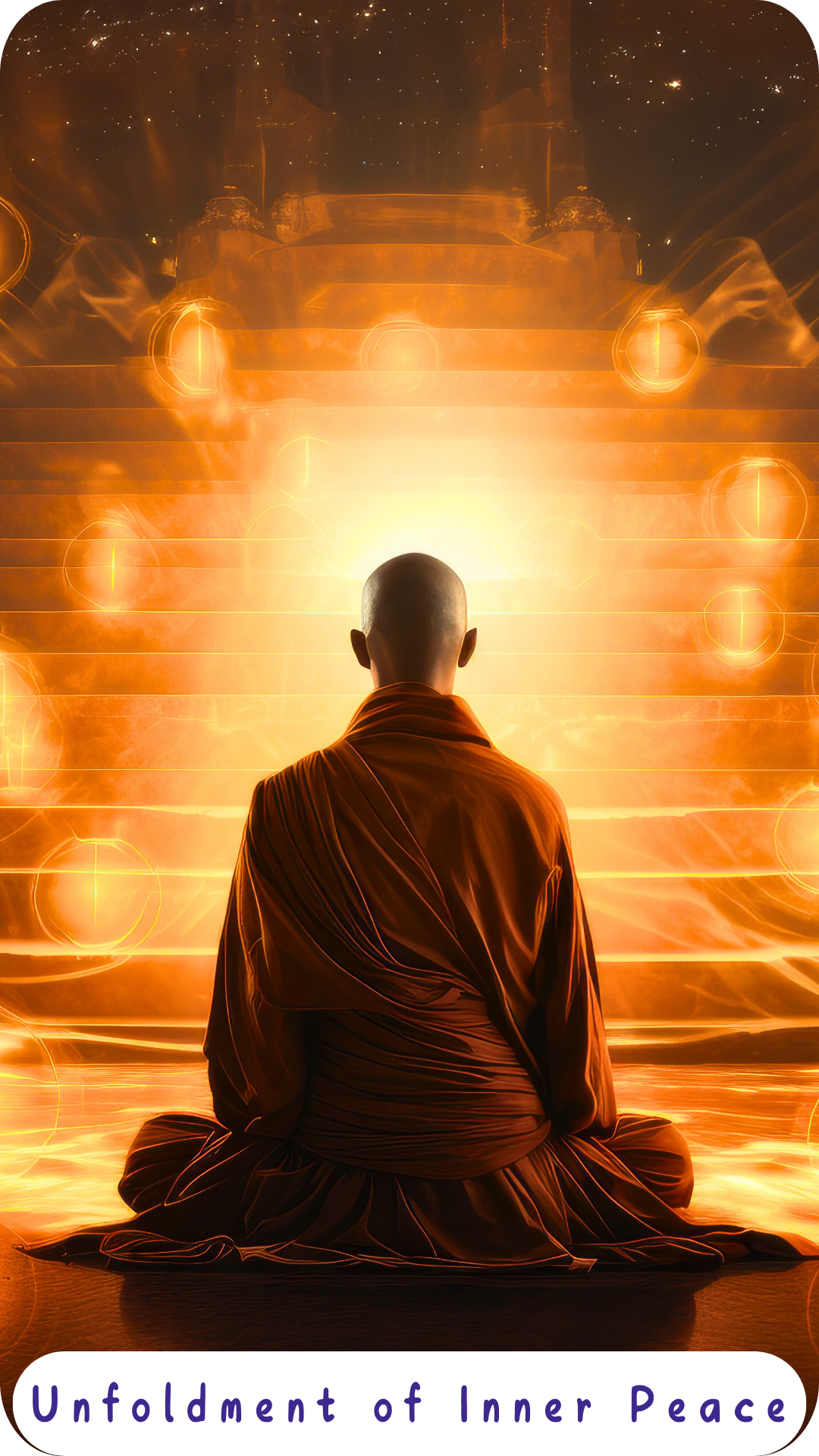
Imagine starting your day not with the usual rush, but with a soft chant that wraps you in calm – a few simple words that help your mind settle and your heart feel lighter. That’s the magic of mantras.
You’ve probably heard the term in yoga classes or spiritual spaces. Maybe your grandmother even used it during her morning rituals.. What are mantras really? Mantras have been around, for a time. They have been used across cultures and generations.
In this blog we go into the details of what a Mantra is, where it comes from, why we practice it and how we practice a Mantra..
A mantra is a word or phrase (often in Sanskrit), which you repeat silently or chant out loud. There is the meaning of the word itself, but more important is the vibration, intention and rhythm of it.
The word mantra derived from two Sanskrit roots:
- ‘Man’ meaning mind
- ‘Tra’ meaning tool or instrument
So, what is a mantra? A mantra is quite literally a tool for the mind.
You don’t have to be familiar with the Sanskrit language or come from a devotional background to practice a mantra. While our exploration of mantras will come from a traditional and spiritual place, it’s widely recognized that the term “mantra” is often used loosely in contemporary culture as a personal motto or affirmation that a person might use to guide themselves. In contrast to the traditional and sacred nature of the words we will be working with, mantras from many of the world’s religions and philosophies have been used for thousands of years to help people cultivate inner qualities such as peace, calm, clarity, and spiritual consciousness.
Why Mantras Matter: A Quick Historical Glimpse
Long before the latest scientific studies on the subject or guided meditation apps, mantras have affected the lives of men and women throughout the centuries.
These ancient Indian chants are thousands of years old and date back to the Vedic times. They are not just simple prayers but contain so much energy that when we sing them they tune man’s mind to a higher level of consciousness.
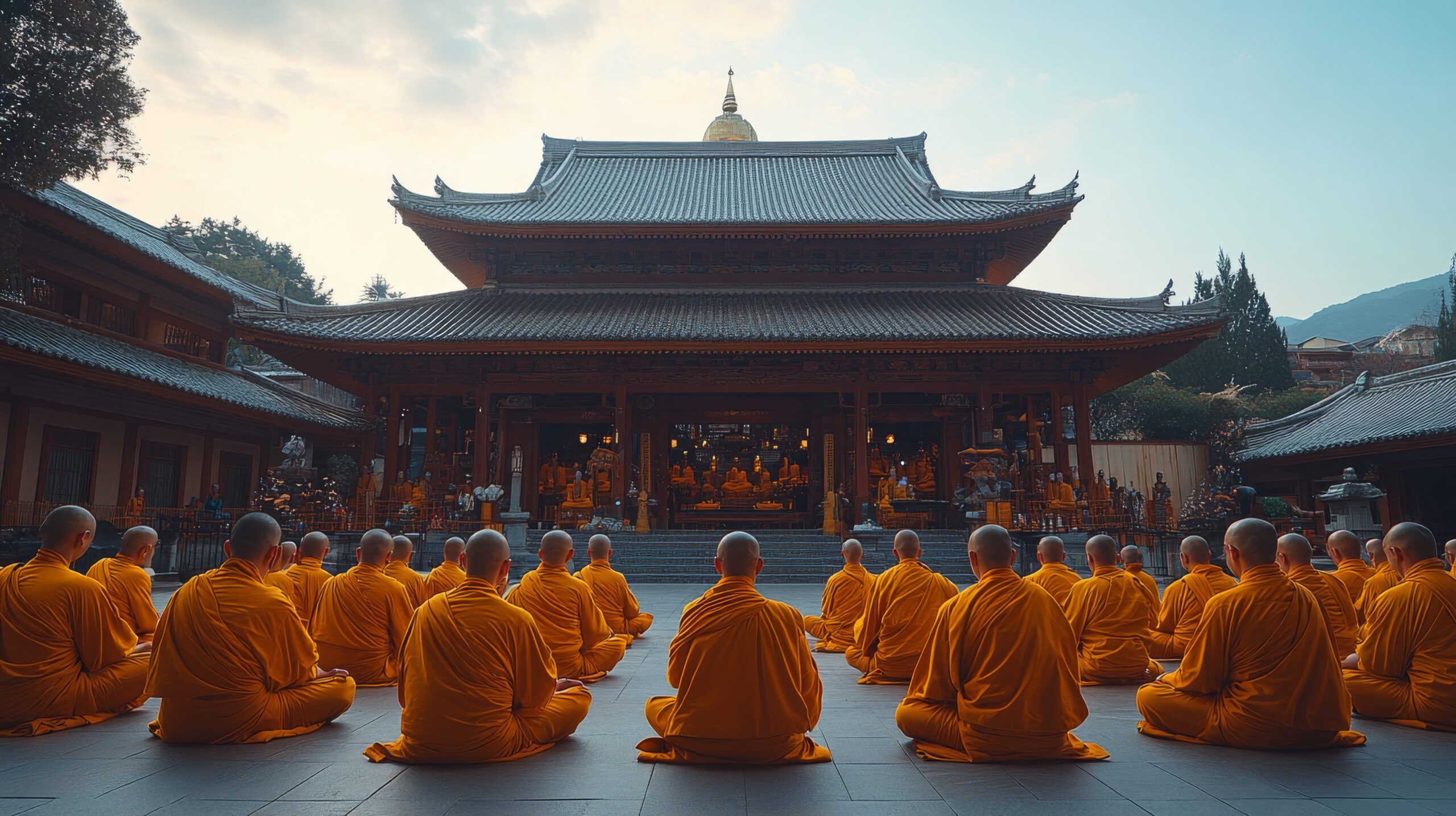
Mantras have their roots in the Vedas (ancient Indian scriptures dating back more than 3,000 years) where Hindu sages used mantras in rituals and meditation. However, Buddhism, Jainism and Sikhism (and other Eastern belief systems) have also used mantras in their practice and study. Today mantras are an integral part of the spiritual practices of many people all over Asia and are still passed from teacher to student.
In both Hindu and Buddhist traditions, many mantras are recited by priests and devotees in their worship and meditation practice. In Hindu scripture, the Vedas, one of the most recited mantras is the Gayatri Mantra, a verse of worship and awe for the sun and the spirit of divine light. In the Buddhist tradition, mantras are recited in the Pali language or Tibetan language, the best known perhaps being Om Mani Padme Hum, a mantra which represents the quality of compassion. Images of this mantra are carved or painted on stones and rocks throughout the Tibetan landscape.
Mantras are commonly practiced by many different cultures and religions in Japan and China, particularly in various Buddhist sects, but most notably in Shingon Buddhism. The Buddhist scriptures of these sects are read in Sanskrit and written in Chinese characters known as shingon or “true words.” While the culture of practicing mantras is different in the West, the practice itself is not unique. Mantras have been used for meditation and spiritual growth in the West since the early 20th century, especially in TM and yoga studios. TM practitioners repeat a personal mantra that has been assigned to him or her and yoga practitioners practice a mantra while they practice various yoga poses. In this way, mantras are truly universal and are practiced by a variety of cultures and religions around the world. The use of a mantra has long history and, in some ways, is a familiar subject.
Mantras aren’t a new invention in the human psyche. In almost every culture around the world, there exists a form of repetitive speech, beads, texts, or sounds that can be used to center the mind. This can be seen in the powerful indigenous chanting and singing, Christian prayer beads, and Jewish recitation of the Torah.
Why Do Mantras Work? The Science Behind it.
Repeating words or sounds with awareness, intention and feeling is a practice found in many spiritual traditions. The repeated words or sounds are called mantras and are used to help focus, balance, heal and bring peace. For centuries, sages and wisdom keepers have used mantras to quiet the mind and open the heart to spiritual awakening. But why is repeating a word or sound over and over so powerful? Science is revealing the surprising reasons why.
1. Activating the Relaxation Response
Chanting and repeating a few mantras to help you relax and to reduce your anxiety and stress. When we repeat sounds, words or phrases whether out loud or in our minds, we call this a mantra. When we practice repeating a mantra we are invoking our body’s natural relaxation response and reducing the impact of the stress-inducing “fight or flight” mode. Dr. Herbert Benson, known as the father of mind-body medicine has written extensively on the many positive effects that repetitive sounds, prayers and mantras have on the body such as lowering heart rate, blood pressure and reducing stress hormones.
2. Quieting the Overthinking Mind (Default Mode Network)
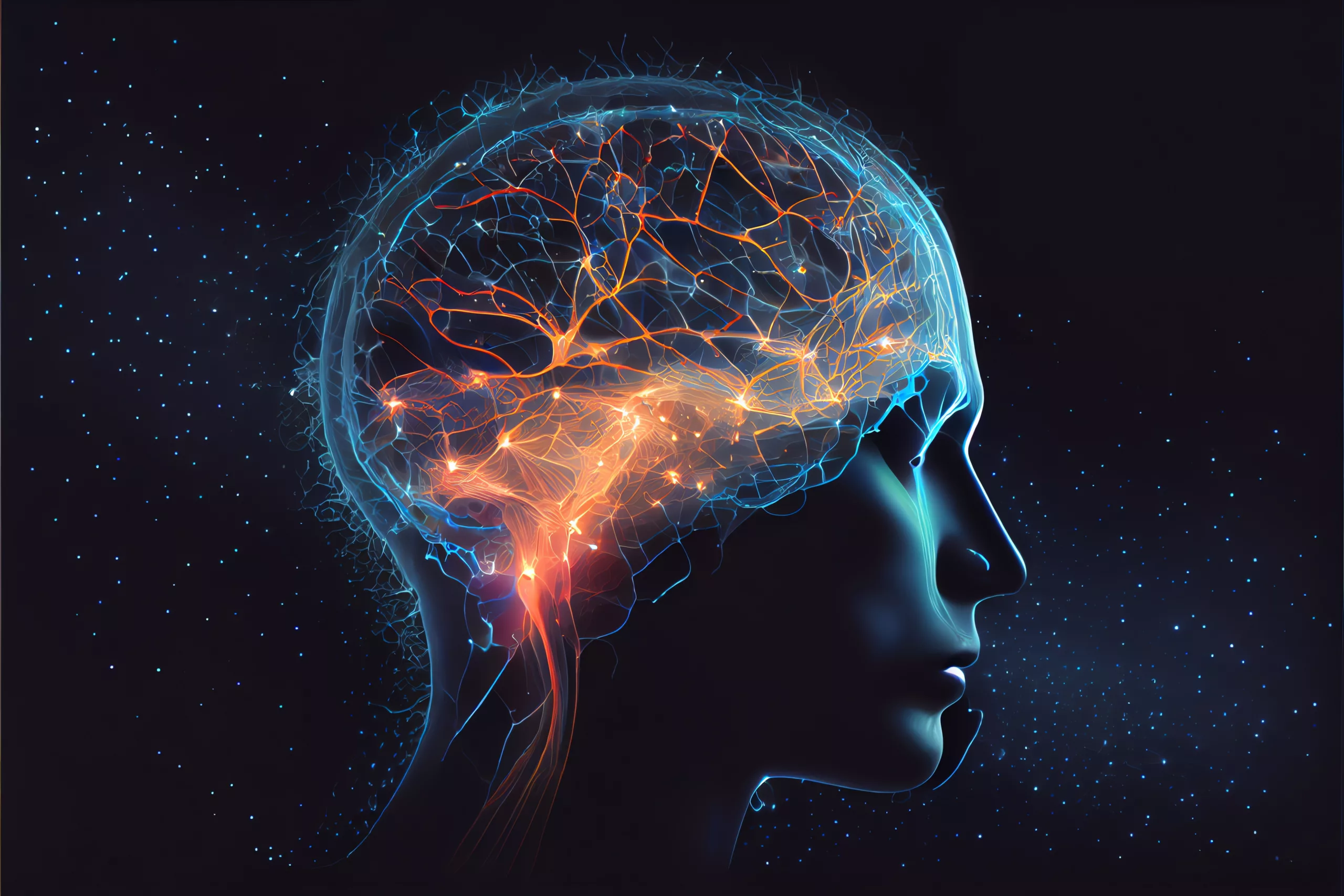
The Default Mode Network (DMN) of the brain is made up of areas that are active when a person is daydreaming, reflecting on their life, worries about past or future events and more. Excessive DMN activity has been shown to cause a lot of stress and many other problems as the mind defaults into excessive mental chatter. Focusing on a simple word or sound can bring a person back to the present and calm their mind. By regularly practicing a mantra, you can develop greater concentration and bring an end to excessive and distracting thoughts.
3. Shifting Brainwaves for Calm and Clarity
Different mental states correspond to different brainwave frequencies:
- Beta waves (active thinking, stress)
- Alpha waves (relaxed focus, creativity)
- Theta waves (deep meditation, intuition)
- Delta waves (deep sleep, healing)
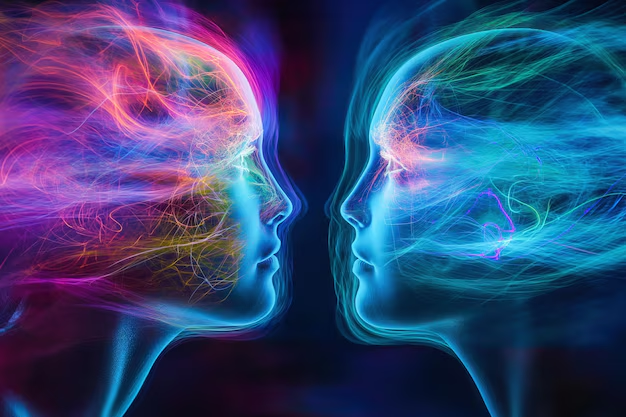
Repeating mantras can help produce a high alpha or a high theta state, inducing a calm, meditative and even alert state which may help bring a person to a state of heightened clarity and balance.
4. The Power of Sound & Vibration (Entrainment)
While sound affects the mind it also affects the body in a profound way. Many people report significant changes in mood and perception the instant they hear a piece of music or start listening to a sound. The body and spirit can also enter a state of balance and harmony by having rhythmic vibrations such as a mantra entrain the brainwaves, heart rate, breath and nervous system. One of the most common examples of this is listening to the sound of the mantra “Om”.
5. Intention & Manifestation
A mantra in Buddhist practice is not just a word or sound, but an intention that is brought to awareness and then repeated. Repeating a simple phrase such as I am calm or an ancient mantra such as Om Namah Shivaya plants the seed of that intention in our mind. As we repeatedly water that seed the intention develops and eventually sprouts into how we perceive and act in the world.r.
6. The Spiritual Dimension
One can touch, and see the effects of a mantra. But for many, the mysticism or the ‘mysterious’ of a mantra gives it spiritual significance and power. Mantras serve as a link between man’s mind and the super-consciousness of the Source – God, The Divine, or just plain consciousness. Working with a mantra can bring the seeker an unusual sense of peace and spiritual awakening leading him or her to transcendental awareness and eventual freedom of oneness.
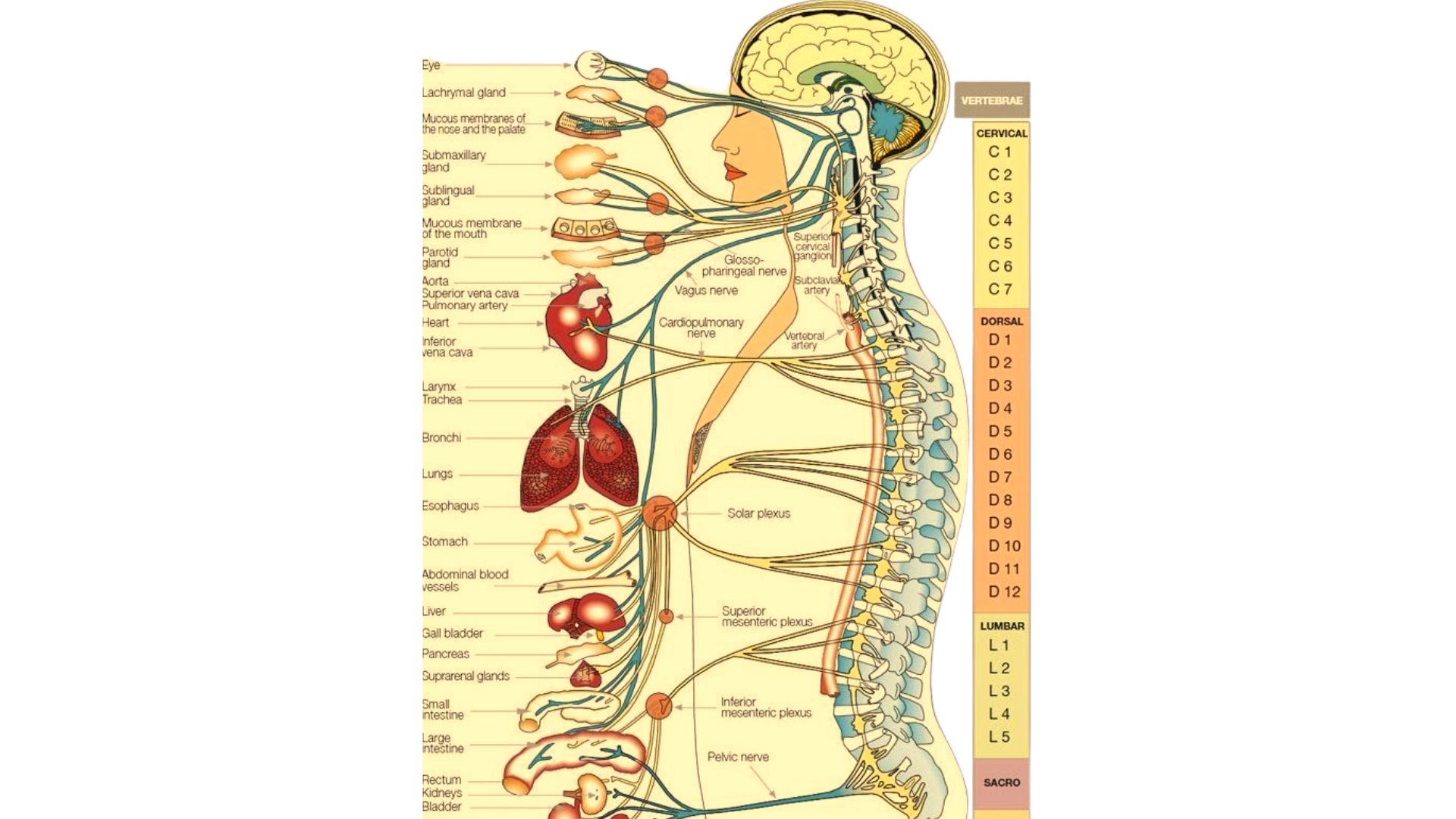
Whether spoken out loud or held silently in the mind, mantras affect our entire being, down to the cells of our body and up to the highest reaches of our soul. They calm our over-taxed nervous system, ground and centre our mind, change our brain structures, and open us to new levels of awareness. This book looks at a range of mantras used for stress relief, calming the mind and for lifting us into higher states of consciousness, and explores the effects they have on body, mind and spirit.
Mantras in Daily Life: Simple Practices for Beginners
Mantras fit easily into life. No gear required – your voice works, silence inside your head works too. Try slipping them into moments like waiting in line or walking between rooms. They hum along while you stir coffee or pause at a red light. Even folded into breaths before sleep, they hold space without effort. Notice how they settle when repeated during bus rides or dishwashing.
Morning Intention: Start the morning with a quiet voice saying one phrase again and again. Maybe after waking, stay still – on the edge of bed or near a window – and breathe slowly while whispering something such as “Om” or “Today, I am grateful.” That small moment shapes how you meet what comes next. Think of it like adjusting a radio dial gently until the sound clears.
Stress Relief on the Go: Start breathing slowly when pressure builds up. Out goes the air, in your mind flows “Om Shanti” – or maybe just “peace,” if that fits better. This works standing at your desk, waiting in gridlock, or mid-argument pause. A quiet phrase becomes an anchor, anytime. The moment shifts without needing space, only attention.
Mantra Meditation Breaks: If you have 5-10 minutes to spare, do a mini mantra meditation. Find a comfortable seat, relax your shoulders, and choose a mantra. You might inhale deeply, and on the exhale, chant your mantra out loud. You could chant continuously or with each breath. Don’t worry about your voice – you can even whisper or just think it in your mind if you prefer. The key is gentle repetition. Some beginners set a timer for a few minutes so they can fully let go without peeking at the clock.
Incorporate into Existing Routine: Tie mantra practice to something you already do. For example, if you do yoga or stretch, you could end your session with a few mantra chants. If you enjoy walks, you might synchronize a mantra with your steps (silently saying part of the mantra with each footstep). I have a friend who says a short mantra before meals as a way of expressing thanks and mindfulness.
Listening to Mantras: Start with stillness. A recording can carry the sound just fine even if your voice stays quiet. Beautiful versions exist – search them out. Let one play low while you unwind, perhaps when night comes close. Or invite sleep with its rhythm. Pay attention as it moves through air. Notice what stirs inside. Feel texture in the tones. This kind of hearing turns into presence without effort.
Personal Affirmation Mantras: If traditional Sanskrit mantras feel intimidating at first, start with a personal mantra in your own language. It could be an affirmation like “I am peaceful and present” or “I am loved”. Repeat it with intention, maybe during your morning mirror time or in the shower. Over time, you might get curious about classic mantras from spiritual traditions, but there’s nothing wrong with starting simple. The goal is to choose something meaningful to you.
Using a Mala (Prayer Beads): Many people incorporate bead necklaces called malas in their mantra practice. The number of beads, usually 108, is not as important as the physical mala beads which help you practice your mantra. Each bead is recited once. While beads are not necessary when working with energy and chanting, a mala can be an interesting and lovely focal point for your practice.
There is no one “right” way to practice a mantra each day, as long as you practice it in a way that you will commit to. So weave it into your life in whatever way feels natural. Maybe you start with just 2 minutes of Om chanting during your coffee break. Or you hum a soothing mantra tune while tidying up your room. These small moments can make a big difference over time.
Embracing the Journey
In today’s noisy world of constant communication and engagement between people, we rarely stop to take care of ourselves while we focus our attention on others. Mantras call you back into yourself. It does not promise to transform you overnight but lets you pause, breathe, reconnect with yourself and there exists within you, a consistent, steady and peaceful part that is always within reach if you just take the time to listen.
You need to find a mantra you feel drawn to and incorporate it into your daily life. Chant it to yourself at times when you are doing absolutely nothing, sing it when you are in the shower or feel it as a comfort when you need a hug. Use these mantras as a source of support in your busy life. This simple, pleasant exercise can serve as the foundation for your own spiritual practice throughout the world; may it bring you peace and enlightenment.
At Masi Wellness, we’re here to support you every step of the way — whether you’re looking to explore guided mantra meditations, deepen your understanding of ancient practices, or simply bring a little more peace into your daily life.
Visit masiwellness.com to explore our curated mantra resources, meditation guides, and soulful workshops.
References
Yog Kulam. “The Power of Mantras: Meaning, Types, Benefits & Spiritual Powers.” Yog Kulam Blog. https://www.yogkulam.org/blog/mantra-definition-types-benefits-and-how-they-work
Artfactory. “The Science Behind the Power of Mantras.” Artfactory Blog. https://www.artfactory.in/blog/scientific-study-of-mantras-benefits-research
BodiScience. “The Power of Mantra: Utilizing Language to Create and Decree Our Heart’s Desires.” https://bodiscience.com/the-power-of-mantra-utilizing-language-to-create-and-decree-our-hearts-desires/
Wake Up Dreamer. “The Transformative Power of Mantra: Ancient Wisdom for Modern Times.” Wake Up Dreamer Wellness Blog. https://www.wakeupdreamer.org/wellness-blog/vedic-mantras-chanting-healing
The Yoga Institute. “Mantra Yoga: Unlocking the Power of Sound and Chanting.” https://theyogainstitute.org/mantra-yoga
Kirbanu. “Discover the Power of Mantra Singing for Mind and Spirit.” https://kirbanu.com/mantra-singing/