People typically operate their daily activities without paying attention to their breathing process. Breathing functions as an automatic process which operates during all times without requiring our attention. The act of breathing establishes an extraordinary force. People have used the breath practice of breathwork since ancient times to achieve healing, relaxation, and deeper self-awareness.
The article will define breathwork and its various types and explain how it improves physical and mental and emotional health.
What is Breathwork?
People practice breathwork to intentionally control their breathing patterns which helps them achieve specific body and mental and spiritual outcomes. People practice breathwork to control their breathing patterns while they must observe their breathing rhythm and breathing depth and their breathing patterns.
Breath control through mindful practice enables a person to experience different emotional states. The technique provides multiple benefits by reducing stress and boosting energy and enhancing mental clarity while accessing buried emotions. Breath serves as a transformational tool which enables people to achieve balance through various practices that include yoga pranayama and indigenous healing methods.
Why Breath Matters
The breath serves as a link between our awake state and our hidden state. Breathing functions as an automatic process which people can control whenever they want to. The tool functions as a powerful instrument for human applications. The following list displays the way breathing affects our bodies:
- Physiological well-being: Deep, rhythmic breathing brings more oxygen to the body which helps blood flow while the body uses its nervous system functions.
- Mental focus: The practice of breathing at a slower rate creates a quiet mental state which allows your thoughts to occur at their natural pace.
- Emotional release: The majority of people discover that guided breathwork enables them to experience emotions which they had previously kept hidden.
- Spiritual connection: Certain breathwork techniques function as entry points which lead practitioners to experience meditation, altered consciousness, and spiritual knowledge.
Different Types of Breathwork
The practice of breathwork exists in multiple methods which people can use to learn. Different traditions created their own breathing techniques which each provide distinct results.
- Box Breathing involves a sequence which begins with four counted breaths followed by a four-count breath hold and then a four-count exhalation which transitions into another four-count breath hold. Athletes and professionals use this technique to achieve mental and physical balance.
- The yogic practice Alternate Nostril Breathing (Nadi Shodhana) teaches practitioners to breathe through one nostril while exhaling through the opposite nostril which creates energy balance and promotes nervous system relaxation.
- Conscious Connected Breathing describes a breathing method which creates a continuous cycle of breathing that results in deep emotional discharge.
- Holotropic Breathwork describes an intense method which Stanislav Grof developed to help people discover themselves through enhanced breathing techniques which create alternative consciousness states.
- The Simple Deep Breathing method teaches people to breathe more slowly by taking complete air into their lungs before exhaling all air. The basic action of breathing can create a change in your emotional state.
The Science Behind Breathwork
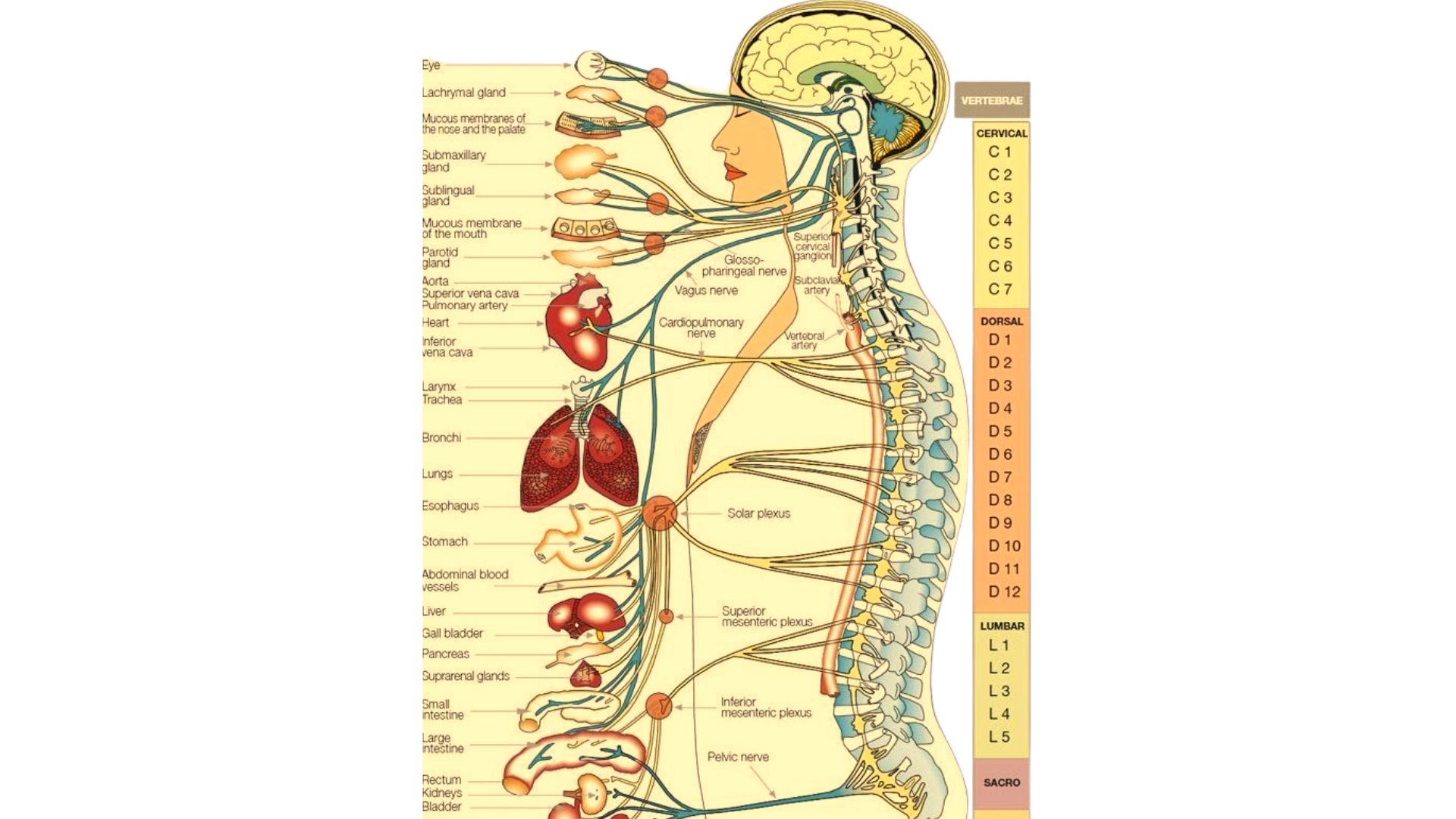
Contemporary scientific studies confirm the validity of ancient knowledge from traditional practices. The research demonstrates that breathwork practices lead to parasympathetic nervous system activation, which results in bodily relaxation through decreased heart rate and blood pressure. People who practice controlled breathing techniques can achieve two benefits because their bodies will experience reduced stress hormones while their sleep quality will improve.
Psychologists use breathwork in their therapy sessions because the technique helps patients reveal their hidden emotions. Neuroscientists demonstrate that breathing patterns establish a direct link between breathing and brain functions, which explains the immediate emotional effects of deep breathing exercises.
Practical Benefits of Breathwork
The benefits start to show after just a few minutes of practice. The following advantages people experience through their practice:
- The practice leads to lessened stress and anxiety symptoms.
- The practice helps people achieve better concentration and focus skills.
- The practice leads to better sleep results for users.
- The practice helps people experience emotional release while they heal.
- The practice helps people restore their energy to higher levels.
- The practice helps people achieve a better understanding of their inner self.
How to Start Breathwork
The beginner should begin with simple tasks because they should not attempt difficult tasks. Breathwork maintains its simple nature because practitioners can use it without facing complex challenges.
- The first step requires you to identify an area that enables you to work without interruptions.
- The next step requires you to select a comfortable position between sitting and lying down.
- The first step requires you to identify your existing breathing pattern without making any breathing changes.
- The basic exercise requires you to perform deep nasal inhalation for 4 counts followed by mouth exhalation for 6 counts.
- The practice requires dedication because daily 5 to 10 minute sessions will lead to visible progress throughout time.
- The trained facilitator should guide you through your advanced practice of Holotropic breathing and Connected Breathing.
The methods become more powerful when used under trained guidance because they contain built-in safety measures.
A Gentle Word of Caution
The practice of breathwork remains mostly safe but its use requires caution because not all people can handle it. People who have heart problems or asthma or high blood pressure should consult a healthcare professional before they attempt advanced breathing techniques.
The same applies if you’re pregnant. People should develop the skill to listen to their physical sensations. Your body needs to rest when you start to experience dizziness or discomfort or overwhelming feelings.
Breathwork as a Daily Companion
The special feature of breathwork exists because anybody can perform it without any limitations. The practice requires no special tools or extended training or specific training locations because breathing exists as a permanent accessible resource. The practice of taking intentional breaths serves as an effective method to restore balance when you face workplace stress or home overwhelm or need to clear your mind.
The process does not require you to reach a state of perfection while following established regulations. The practice involves developing a personal connection to your breath which teaches you how to use breathing as a support mechanism during various life situations.
Reflective Prompts
Here are a few gentle prompts you can try after practising breathwork for a few minutes:
- How does my body feel right now compared to before I began?
- What emotions surfaced as I focused on my breath?
- Did my mind feel clearer, calmer, or more focused after breathing consciously?
- How can I bring a moment of mindful breathing into my daily routine?
Writing down your reflections in a journal can help you notice patterns over time and deepen your connection with the practice.
Closing Thoughts
Breathwork is more than a practice. The breathing exercise functions as an invitation to reconnect with breathing because people tend to forget its existence. The breath becomes a healing instrument which brings equilibrium and tranquil inner state when people approach it with mindful awareness.
The next time you experience stress or mental disorganization, you should stop your activities. Your chest area should be touched with your hand while you take in your breath slowly before you breathe out completely. The starting act leads to a profound process of self-exploration which follows afterward.
Try It for Yourself
You should dedicate five minutes of your time today to practice breathwork if you want to investigate this technique. You should observe your breathing experience because it brings you to the present moment.
At Masi Wellness, we believe every breath is a step towards balance and healing. Stay connected with us for more practices, guidance, and reflections to support your journey.
At Masi Wellness, we believe every breath is a step towards balance and healing. Stay connected with us for more practices, guidance, and reflections to support your journey.
References
https://www.nature.com/articles/s41598-022-27247-y Nature
https://pubmed.ncbi.nlm.nih.gov/36624160/ PubMed
https://health.clevelandclinic.org/breathwork Cleveland Clinic
https://my.clevelandclinic.org/health/articles/9445-diaphragmatic-breathing Cleveland Clinic
https://health.clevelandclinic.org/4-7-8-breathing Cleveland Clinic