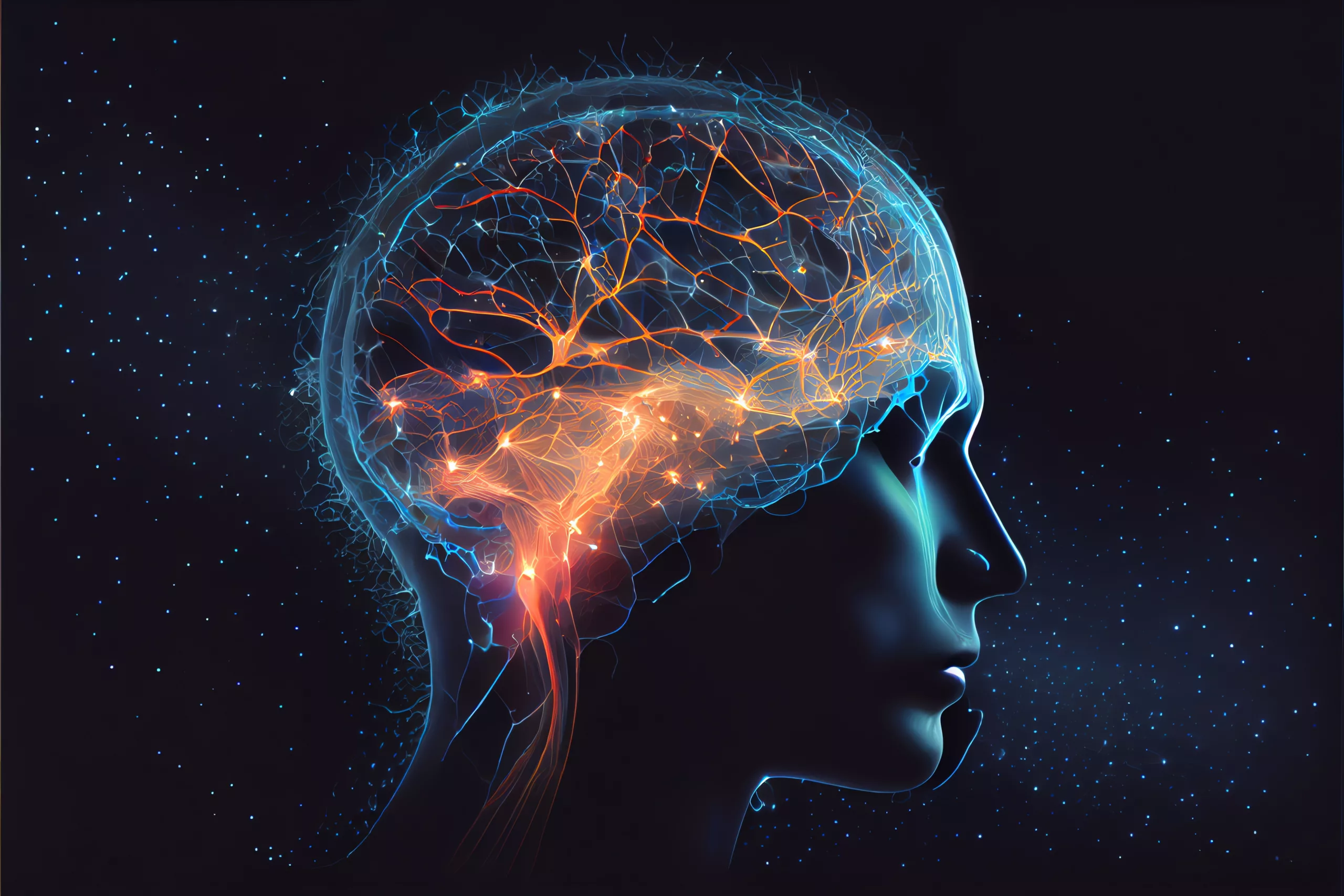
People tend to envision the brain as a machine that operates according to its permanent construction. The brain functions like a garden which continuously develops through its process of creating new pathways and changing existing connections. Neuroplasticity represents an extraordinary truth about human functioning which scientists consider their most exciting discovery.
What is Neuroplasticity?
Neuroplasticity describes how the brain can naturally develop new structural and functional abilities throughout its entire life. The brain undergoes structural changes when we acquire new abilities and look back at past events and recover from our difficulties. Neurons create fresh connections while existing pathways decrease their strength and increase their strength and brain networks change their structure to meet our requirements.
Scientists used to believe that brain development stopped after people reached their teenage years. Research now demonstrates that brain plasticity continues until adulthood and remains present throughout the aging process. The statement indicates that people can experience personal development and health recovery throughout their entire lifespan.
Everyday Examples of Neuroplasticity
Research laboratories serve as the exclusive environment where neuroplasticity occurs. You experience it daily:
- Learning to play a musical instrument or speak a new language.
- The process of recovering memory and movement abilities takes place after someone suffers from an injury or stroke.
- People need to break their existing habits so they can develop new habits which provide better health benefits.
- People need to develop resilience skills which help them cope with their challenges when they face major life changes.
The brain uses this mechanism to maintain our adaptability while preserving our ability to transform.
The Science Behind It
The brain’s communication cells, which are called neurons, form the basis of neuroplasticity because they transmit signals through electrical and chemical means. When you repeat a thought, behaviour, or movement, certain neurons fire together. Neurons establish stronger connections between themselves through increased firing activity. The phrase “neurons that fire together, wire together” expresses this concept in a simple form.
For instance, daily practice sessions help a pianist build stronger neural pathways that control finger movements and rhythm performance. The person who practices positive thinking learns to stop their negative mental patterns by developing new positive thinking methods which replace the old patterns.
Why Neuroplasticity Matters for Wellness
The understanding of neuroplasticity brings us both hope and responsibility because it shows how our brain development depends on our present choices. The door to various healing methods becomes accessible through this discovery which includes mental and emotional and physical healing methods.
Neuroplasticity affects wellness through several main mechanisms which operate throughout the body:
- Mental health: Practice of mindfulness together with therapy sessions helps people develop new thought patterns which lead to decreased anxiety and depression symptoms.
- Stress management: Training the mind to respond calmly can reshape how the brain handles pressure.
- Healing trauma: The practice of gentle yet regular activities creates secure neural channels which enable the mind to start healing from past traumas.
- Building resilience: The brain needs to experience small repeated changes because these experiences build resilience which helps people face upcoming difficulties.
Practices That Support Neuroplasticity
You can improve your brain’s plasticity through normal daily activities which require no special skill. Everyday choices can strengthen and refresh neural networks.
- Mindfulness meditation builds awareness while it reduces stress and strengthens brain regions which handle concentration.
- Learning something new through cooking or painting or coding activities helps to create new connections in the brain.
- Physical movement through exercise increases blood flow to the brain which helps create new brain connections.
- Healthy sleep helps the brain to rest because it strengthens learning while the brain uses this time for self-repair.
- Positive self-talk operates through two processes which first stop self-criticism and then use positive self-talk to create new inner mind patterns.
- Writing down thoughts through journaling grants mental organization power which leads to mind clarity.
Small efforts which people maintain over time deliver results which last for an extended period. The brain develops through practice because repetition functions as the essential method to achieve growth just like muscle training at the gym.
Challenges and Misconceptions
The powerful nature of neuroplasticity does not function as a magic wand. People need to work hard and maintain their efforts to achieve change. The body will fight against stopping old practices while people will experience delays in their development. The brain changes slowly over time and even minor changes can lead to significant effects throughout the years.
The belief that all neuroplasticity results in beneficial outcomes represents another common misunderstanding about this concept. The brain develops through both positive habits and negative behaviors which include stress and addiction and rumination. Awareness enables us to control neuroplasticity for healing purposes instead of allowing it to create damage.
Neuroplasticity and Spiritual Growth
People observe neuroplasticity as a scientific fact because it matches their understanding of spiritual wisdom which exists beyond scientific boundaries. Ancient practices which include meditation and chanting and breathwork enable people to achieve mental tranquility while their brain functions change. The combination of contemporary scientific studies and ancient time-tested methods proves that people undergo inner change through both their physical body and their spiritual existence.
The brain establishes permanent connections which store our developed abilities to show kindness and gratitude and compassion. The passage of time brings changes which alter our self-perception and our view of other people and our understanding of the world.
A Gentle Reminder
Neuroplasticity shows us that we are not stuck. We have the ability to change our established thought patterns and emotional responses and our behavioral patterns. The process of change requires effort yet the possibility of transformation exists. People should take all progress as valid because every achievement from mindful breathing to acquiring new knowledge to self-awareness of past behaviors deserves recognition.
Closing Thoughts
The brain exists as an active organ that maintains its ability to create new connections throughout its entire existence. Neuroplasticity shows that people maintain their ability to develop throughout their entire life. We can develop our healing and adaptive abilities through dedicated mental training which requires our continuous practice and intentional approach.
At Masi Wellness, we believe in embracing this truth. When we honor the brain’s ability to transform, we also honour our own capacity for renewal – mind, body, and spirit.
References
https://www.ncbi.nlm.nih.gov/books/NBK557811
https://pmc.ncbi.nlm.nih.gov/articles/PMC10741468
https://pmc.ncbi.nlm.nih.gov/articles/PMC11591838
https://pmc.ncbi.nlm.nih.gov/articles/PMC6312586
https://www.nature.com/articles/s41398-023-02642-9
https://www.nature.com/articles/nrn3916