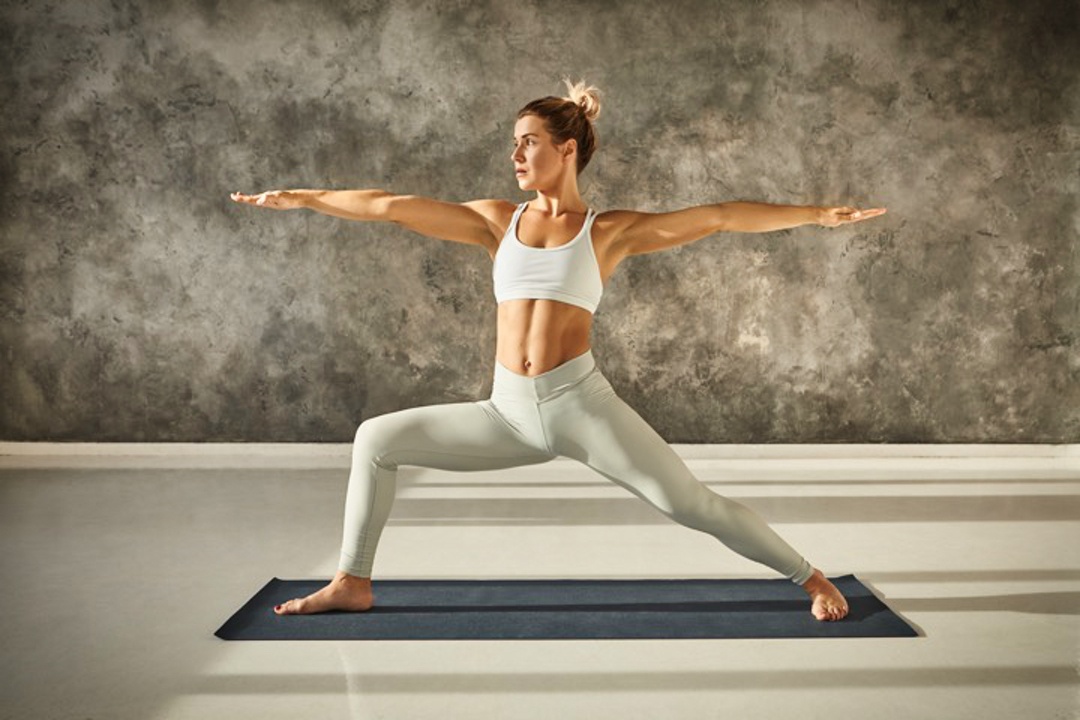
Most individuals visualize yoga as having a calm face or breathing deeply. Or they envision themselves doing some type of single-leg balancing posture where they appear completely relaxed.
This is certainly a part of yoga, but yoga means much more! It’s less about the physical postures and more about developing consciousness in relation to how you live.
A great deal of our knowledge originates from the yogi philosopher Patanjali through his teaching of Ashtanga Yoga (the eight-fold path). At first glance Ashtanga seems complicated; however, think of it as a reference point of framework rather than something that needs to be completed.
At Masi Wellness we are beginning to explore the historical context of these movements as well; not just what to do but why there is a need for these movements. Today, we are using these eight parts of the path to apply them outside of just your yoga mat!
What is Ashtanga Yoga?
As described in the Yoga Sutras, Ashtanga Yoga is called the “eight limbs” because it is a complete system outlined by Patanjali. It was written more than 2,000 years ago, it is one of the most comprehensive resources for understanding the philosophy and performance of yoga.
Ashtanga means eight (ashta) and limbs (anga). Together, they create a path for living with purpose, discipline and peace inside yourself. Unlike the physical-based practices we see today, Ashtanga encompasses the entire scope of human existence from how we treat others to meditating and finding ourselves.
Who was Pantanjali?
Widely accepted as the Father of Classical Yoga, Patanjali created the Yoga Sutras, which is a foundational text for Yoga. The Yoga Sutras were created to offer a guide to living a meaningful and purposeful life, rather than dictating exact rules; they provide insight and wisdom to help you find your own way toward achieving inner freedom. The Yoga Sutras also continue to provide guidance thousands of years after their creation.
The Eight Limbs of Ashtanga Yoga
Patanjali’s eight limbs are not some steps to follow. They are interconnected. When you do one thing it makes the other things better. Let us look at each of the eight limbs of Patanjali and see how they can make your life better.
1. Yama, Your Relationships with Others
Yama describes how you interact with the people in your life. Which includes not harming (ahimsa), being honest, not taking what is not yours (asteya), practicing moderation (brahmacharya), and letting go of excess (aparigraha).
While these are moral in nature, they also are practical. If your relationships are disorganized, everything else will be as well.
2. Niyama, Your Relationship with Yourself
Niyama(s) are reflective of your relationship to self. Which includes living in cleanliness, contentment, exercising discipline, self-reflection, and having a sense of faith in a universal power which is bigger than yourself.
You don’t need to view these as being heavy or spiritual; they’re more about developing small, consistent habits that will lead to an overall increase in internal stability.
3. Asana, The Physical Practice
Most people know yoga through this practice. The use of yoga poses to create movement is the physical part of yoga. Yoga initially as a practice was not to develop flexibility or strength; rather, the intent was to allow you to sit still comfortably and without distractions (which can be more difficult than it appears).
4. Pranayama, The Breath
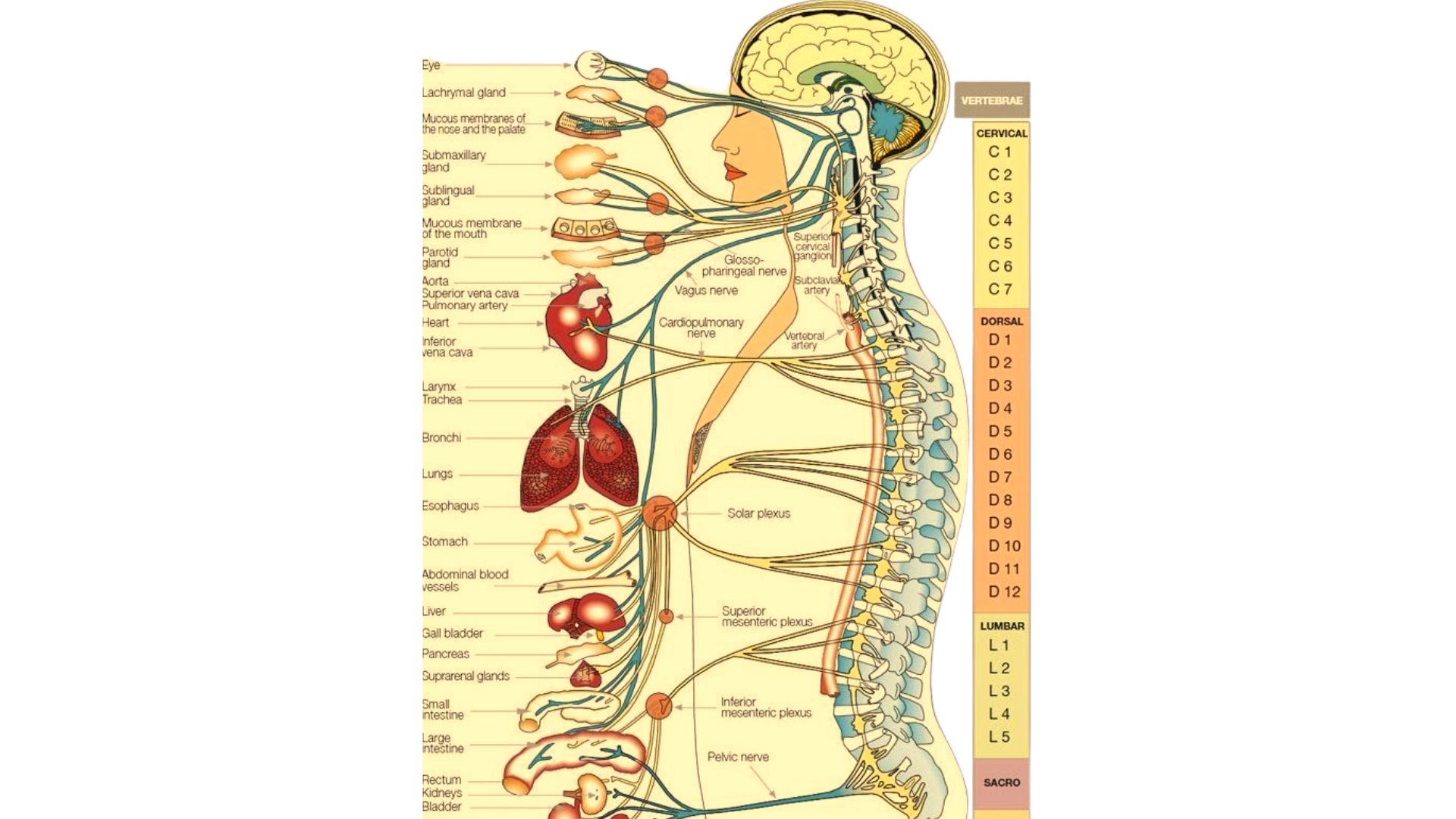
Breathing techniques affects your emotional state effectively. When you breath slowly can calm your nervous system, and while you breathe fast that can increase your energy. There is no doubt that there is a connection between breath and mind; however, once you experience it, the connection becomes clear.
5. Pratyahara, Taking a Break from External Stimuli
This is perhaps the most relevant yoga principle today. It relates to the need to remove ourselves from a world filled with stimuli. Not escaping life. Just creating a bit of space so you’re not always reacting.
6. Dharana. Focus
Training your attention to stay in one place. In a world that constantly pulls you in different directions, this becomes less of a spiritual idea and more of a daily skill.
7. Dhyana. Meditation
When focus becomes more continuous. Less effort, more flow. You don’t force it. It tends to happen when you give it time.
8. Samadhi. Absorption or oneness
This is harder to describe without sounding abstract. It’s often explained as a state where the sense of “you” softens, and there’s a feeling of being connected to something larger. How you interpret that is personal.
Ashtanga Yoga for Modern Wellness
Nowadays, life moves fast. Consider how much noise fills each day – endless messages, expectations, distractions. Calm seems rare, almost out of reach. Yet within Ashtanga Yoga lies a strength. Eight steps guide the way forward – not by force, but through steady attention. Relief from tension appears not as escape, rather as deeper presence. What once felt fragmented may slowly align.
- Stress Reduction and Mental Clarity: With each slow breath and asanas, tension begins to loosen. Rather than chasing thoughts, awareness settles into motion. A calmer mind emerges when effort aligns with rhythm. Instead of resisting pressure, the body learns release through steady practice. Presence grows where focus lands – on inhale, on exhale, on the present moment.
- Physical Well-being: Body condition improves through Ashtanga poses, which develop power, range of motion, because they demand endurance. Movement flows steadily, shaping the physique while aligning structure more naturally over time. Still, results go beyond muscle or balance – awareness grows, moment by moment. Sensation becomes clearer when attention shifts inward. Needs reveal themselves quietly, without force.
- Emotional Balance: Through Yama and Niyama, awareness grows not by force but through quiet observation. When harm is set aside, words stay honest, satisfaction appears without demand, study turns inward – emotions shift slowly into clearer shapes. Responses to difficulty change once inner habits are seen for what they are. Clarity comes not from effort alone, yet from steady attention given over time.
- Spiritual Growth: With practice unfolds a journey inward – Ashtanga Yoga grows awareness through steady movement and breath. This unfolding invites reflection, opening space for personal insight to emerge slowly. From repetition arises clarity; presence becomes more familiar over time. Meaning appears not in words but through experience, moment by moment. Connection forms without force when attention remains fixed on what is real. One may begin to feel part of an unseen whole – vast, silent, continuous.
- Mindfulness in Daily Life: From Ashtanga emerge invitations to notice more, react less. Awareness grows when habits shifts. Relationships change once observation enters. Work becomes different upon introducing pause. Intentions arrive through small entries, not grand entrances. Yama and Niyama act softly, yet remain persistent. Each moment offers a chance to choose differently. Mindful living shows up even during ordinary tasks.
How to Incorporate Ashtanga Yoga into Your Life
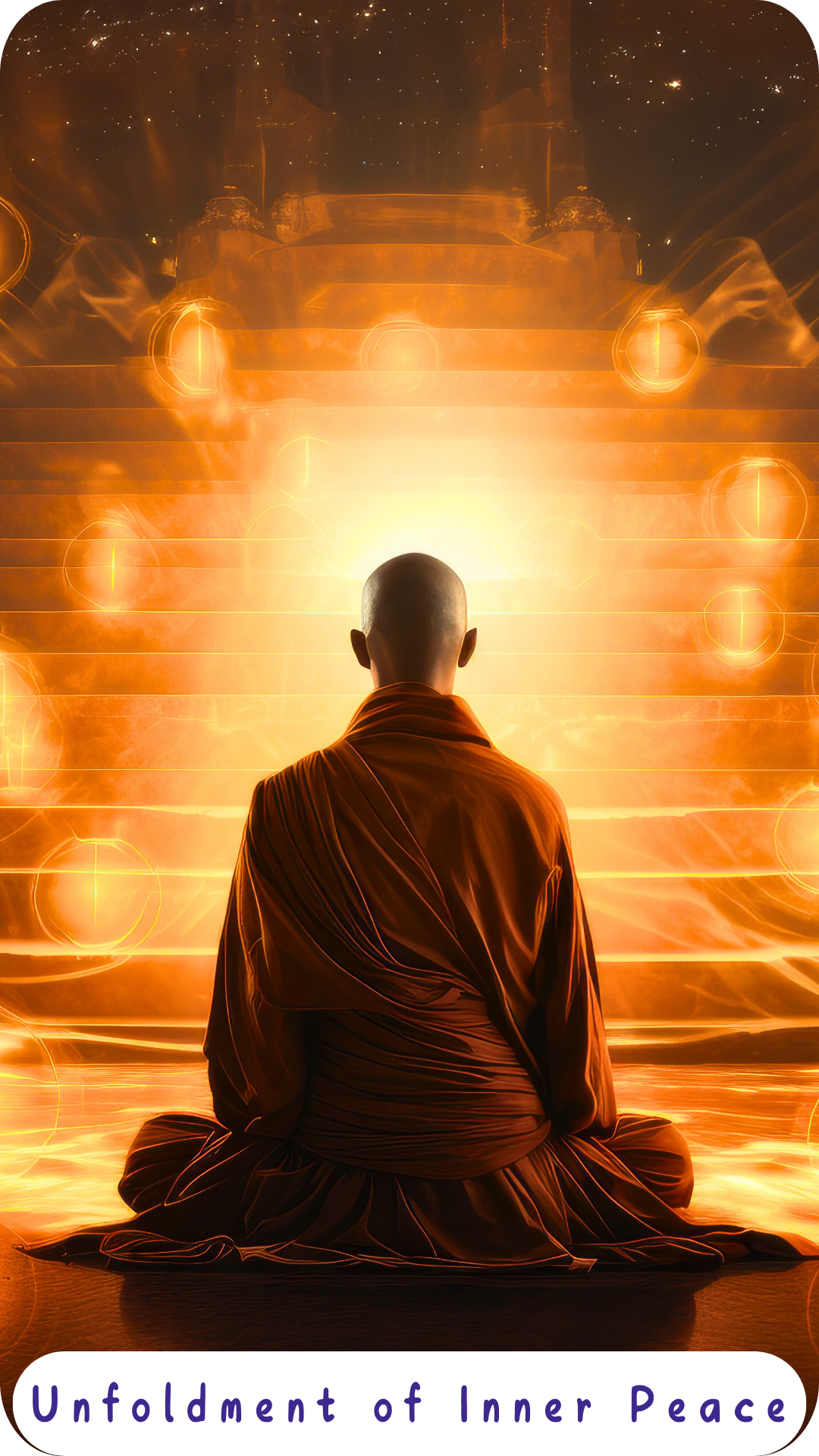
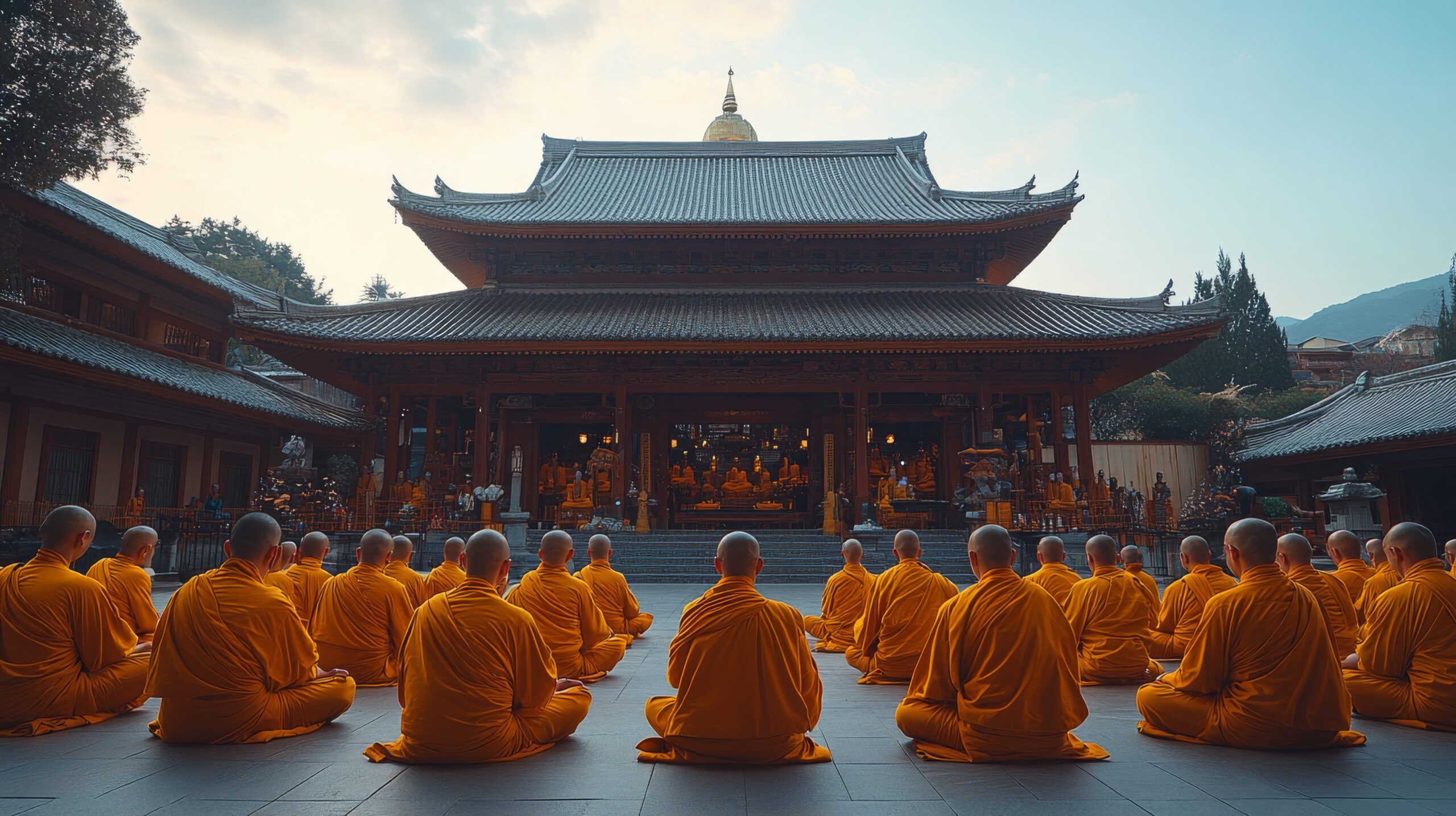
Just because you’re not on a mountain meditating like a monk, doesn’t mean Ashtanga is out of reach.
Try slipping bits of it into ordinary moments – like starting your morning with breath instead of phone. When the day gets loud, pause long enough to feel your feet on the floor. Move through chores like they’re part of the practice, slow and aware. Let meals become quiet check-ins with hunger, taste, rhythm. Even hard conversations can hold space for patience learned on the mat.
One way to begin? Pick just a single limb, maybe two, that feel right. Try treating yourself gently today, then notice how it spreads outward. A slow breath in, held briefly, lets awareness grow without force.
Starting out with yoga? A class might be worth exploring. Someone experienced could show you the way, make things clearer. Their presence helps when paths feel confusing.
Just trying a single step each day might quietly shift everything else. Small moves often open space for calm. One choice at a time builds unseen momentum. Doing less can mean living more.
Journey towards Wholeness
Ashtanga Yoga, as Patanjali explained, is more than a workout. It’s a path to wholeness. This yoga is a journey to know yourself better and about living and finding inner peace. It shows us that being well is about our physical health, balancing our body, mind and spirit. The good thing about Ashtanga Yoga is that it’s for anyone. It doesn’t matter what your belief system is. You can start with smaller steps or dive right in. Every bit of practice helps you become the version of yourself.
So, why not start today?
At Masi Wellness, we’re here to support your journey toward holistic well-being. Explore our resources, join our community, and discover the transformative power of ancient practices like Ashtanga Yoga. Visit us at masiwellness.com to learn more.
References
- Liforme — “Yoga Sutras of Patanjali: The 8 Limbs of Yoga Explained” — explains all eight limbs, with clear definitions and relevance today. Liforme
- Kripalu — “The Eight-Limbed Path of Yoga” — a good overview, especially for how the limbs work together. Kripalu
- Hridaya Yoga — “Patanjali’s Ashtanga Yoga: The Eight Limbs” — deeper descriptions of each limb. Hridaya Yoga
- Rishikesh Yogis Yogshala — “Patanjali’s Yoga Sutras: 8 Limbs of Yoga” — talks about the limbs with focus on liberation (moksha) and how asana/pranayama etc. fit into the wider system. Rishikesh Yogis Yogshala
- Also the Wikipedia page Ashtanga (eight limbs of yoga) provides a useful summary of the eight limbs per the Yoga Sutras. Wikipedia