Everyone knows that feeling. The day went fine but something feels off. Nothing bad happened yet there’s this weird heaviness in the background. Or flip it around. Nothing special happened but there’s this random wave of good energy that came out of nowhere. We usually blame mood or sleep or stress. But there’s an older explanation for it. One that doesn’t require believing anything radical. Just being a little open.
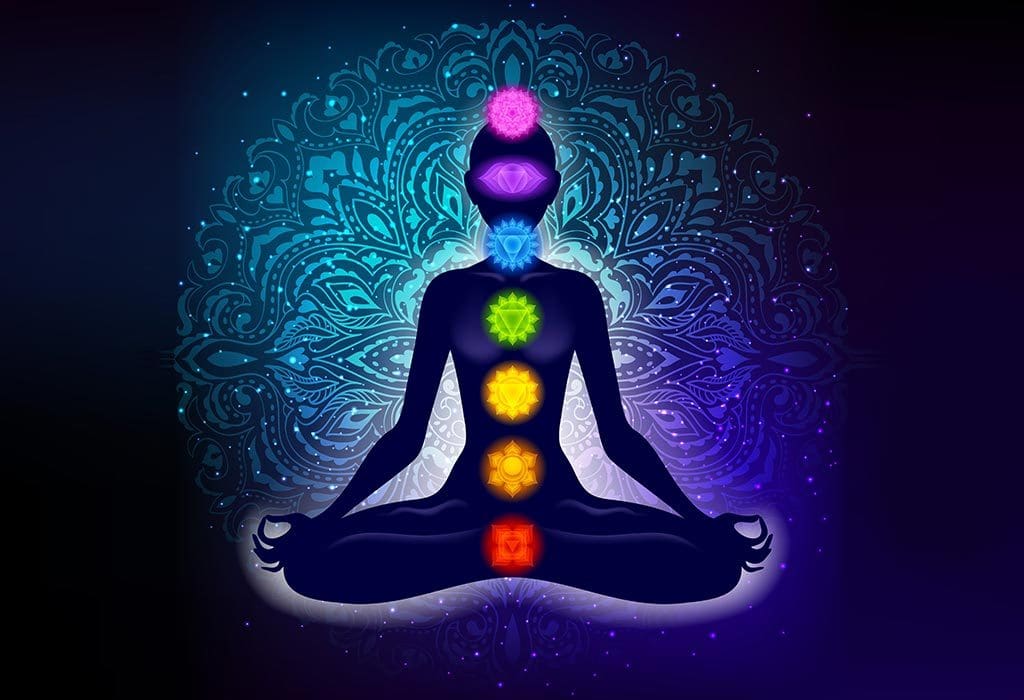
Ancient traditions across India and other parts of the world believed the body runs on more than blood and oxygen. They said energy moves through us and gathers at certain points. They called these gathering points chakras. Sanskrit word meaning wheel. Spinning centers of life force lined up along the spine from the tailbone to the crown of the head.
Different cultures across centuries kept describing the same patterns. Certain emotions clustering around certain body parts. Physical complaints showing up in the same areas as emotional ones. The chakra system just puts a framework around all of that.
What are they exactly? What does each one govern? That’s what we’re getting into.
What Are Chakras?
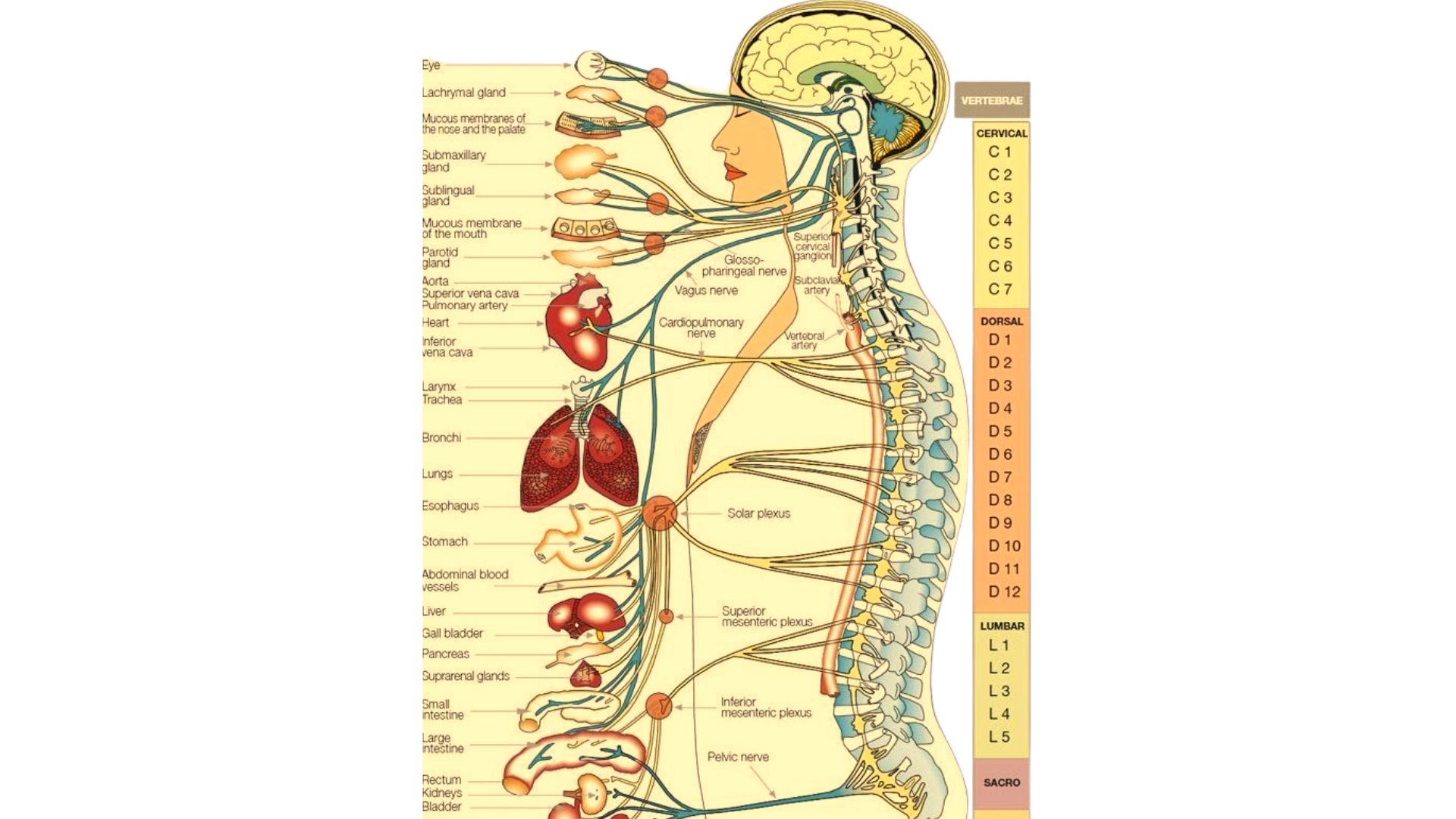
So basically there are seven big energy points that go along the spine starting from the base right up to the top of the skull. Each one has a say in the organs, nerves, emotions, and even the thought patterns happening in that part of the body. When one of these chakras is moving freely stuff in that area tends to work fine. But when life piles on with stress or the body holds tension for too long a chakra can get sluggish or stuck. And that’s when things start showing up. Could be a mood that just hangs around for days. Could be some random ache that doesn’t have an obvious explanation.
Dozens of smaller chakras exist throughout the body but seven primary ones get all the focus. Each has a location, a color, an element, and a frequency.
1. Root Chakra or Muladhara. Your Foundation
Base of the spine. Red. Earth.
This one holds everything else up. Safety dwells here. Not just physical safety but that deep gut feeling of things being okay right now. Food. Shelter. Money. Belonging.
When this energy center is doing well the body feels settled and grounded. But when something is off here you can feel it even if you can’t name it. There’s this low level unease humming in the background. Legs get heavy. Lower body gets tight. Something deep down feels wobbly.
Emotionally it deals with survival, grounding, and belonging. Body wise it shows through the feet, legs, bones, adrenal glands, and colon. It has a frequency around 396 Hz.
2. Sacral Chakra or Svadhisthana. Creativity and Pleasure
Just below the navel. Orange. Water.
Root chakra handles surviving. It’s associated with pleasure, creativity, attraction, and emotion. Water fits perfectly because it never stays fixed. It adapts and flows with whatever surrounds it.
When this works well there’s natural ease to things. Curiosity shows up without forcing it. When it shuts down everything goes flat or emotions swing wildly.
Emotionally, think about creativity, sensuality, passion, and joy. Body wise, it shows in reproductive organs, bladder, kidneys, lower back. The frequency around 417 Hz.
3. Solar Plexus Chakra or Manipura. The Personal Powerhouse
Upper abdomen near the stomach. Yellow. Fire.
This is where the sense of self takes shape. Self as a force. Willpower. Confidence. People describe it as a personal sun. Burns well and there’s warmth and direction. Burns poorly and things go sideways either through controlling behavior or crippling self doubt.
Covers personal power, self esteem, confidence, autonomy. It affects your digestive system, stomach, liver, gallbladder, and pancreas. It has a frequency is 528 Hz.
4. Heart Chakra or Anahata. Love and Compassion
Centre of the chest. Green. Air.
Every chakra below has been about survival and identity. This one changes things. You may consider it as a bridge between the physical energy centers below and the spiritual ones above.
It’s about compassion, empathy, and forgiveness. How long hurt gets carried. How quickly things soften after conflict. When open there’s less hurdle in life. When closed, it leads to withdrawal. Or over giving until nothing is left. Or staying guarded for no real reason.
Physically it shows in the heart, lungs, thymus gland, circulation, arms, and hands. The frequency around 639 Hz resonating with love and emotional balance.
5. Throat Chakra or Vishuddha. Expression Without Effort
Throat area. Blue. Element is sound or ether.
It’s about speaking clearly and knowing when silence works better. When functioning well, words come out matching the actual thought. Listening improves too with genuine absorption instead of mentally prepping a response.
When blocked everything stays swallowed or spills out at the worst moment in the wrong tone. Misunderstandings take place fast.
It connects to throat, vocal cords, thyroid, neck, and hearing. Frequency about 741 Hz supporting clear honest expression.
6. Third Eye Chakra or Ajna. Clarity Without Noise
Between the eyebrows. Indigo. Element is light.
This is all about perception and how the brain interprets everything. When clear there’s quicker pattern recognition and decisions stop dragging forever.
When it is foggy, thoughts pull in every direction. Or gut feelings get completely ignored in favor of cold logic even when something feels wrong.
It’s connected to the brain, eyes, pituitary gland, pineal gland, and the nervous system. Its frequency is around 852 Hz that strengthens intuition and insight.
7. Crown Chakra or Sahasrara. Perspective
Top of the head. Violet or white. Element is thought.
Connected to meaning and something bigger than the individual self. Whatever that looks like whether it’s the divine or the universe or just spiritual connection. Sometimes it’s just a quiet sense that things are fine as they are.
When open there’s less urgency to control everything. When closed there’s restlessness and that frustrating gap between looks okay and actually feels okay.
It is loosely connected to upper brain, pineal gland, and the nervous system. But it’s really more about awareness than any organ. Its frequency is around 963 Hz and it is associated with spiritual awakening.
Simple Ways to Balance Your Chakras
These recommendations that can help you balance your chakras.
Find a quiet spot first for yourself every day and spend a few minutes bringing your attention to one body part at a time.
Yoga poses like Tree Pose for grounding or Cobra Pose for the heart work great. Even basic stretching counts. Crystals matching each chakra’s color can support the process. Sound healing through Solfeggio frequencies or singing bowls helps directly.
Watch what gets consumed daily. Not just food but conversations and environments too. Saying thoughts out loud in honest words shifts something. No complicated routine needed.
Why This Stays With People
It’s about noticing patterns. Why certain situations hit harder than they should. Why the same issues keep circling back wearing different disguises.
When things align life doesn’t become perfect. It just becomes easier to move through. When something feels off there’s a reference point now instead of just pushing through.
Nobody has to believe every part. But paying attention to how the body responds to different situations and what genuinely restores versus what just distracts. That’s hard to dismiss.
Start small. Pay attention. That alone shifts more than expected. Anyone who read this far already slowed down more than usual.
At Masi Wellness, we’re here to help you on this journey. Whether you’re just starting out or looking to deepen your practice, we’ve got resources, workshops, and therapies to support you every step of the way.
Explore more about chakras and holistic wellness at Masi Wellness.