Most of the people who hear the term Gayatri immediately think about the famous Gayatri Mantra. It is chanted in temples and during home prayers and meditation sessions. The Gayatri Mantra serves as a foundation for the Gayatri tradition which includes much more than this one sacred chant.
The Vedic tradition utilizes Gayatri as a multi-dimensional concept that includes spiritual elements and philosophical ideas and symbolic representations. The Vedic tradition of Gayatri understanding requires us to study its historical development and purpose beyond the boundaries of its present-day chant.
The Roots of Gayatri
The Gayatri Mantra finds its home in the Rigveda, one of the oldest texts known to humanity. The sage Rishi Vishwamitra received it through a divine revelation according to the belief that he received the mantra from the gods.
The mantra is composed in the Gayatri metre, a poetic form with three lines of eight syllables each. The name Gayatri comes from the fact that it exists as both a mantra and the rhythm that musicians use to perform it.
In the Vedic sense, Gayatri represents:
- A metre or poetic measure.
- A mantra, a prayer for enlightenment.
- A goddess, the personification of divine knowledge.
The term Gayatri describes several aspects which include form, sound, and meaning.
The Gayatri Mantra
The most widely known form of Gayatri is the mantra itself:
“Om Bhur Bhuvah Svah
Tat Savitur Varenyam
Bhargo Devasya Dhimahi
Dhiyo Yo Nah Prachodayat”
The mantra serves as a prayer to the Sun who is the originator of all light and life according to its fundamental meaning. The Sun exists beyond the limits of our visible sky because it represents more than the physical Sun we observe. The Vedic tradition uses the Sun to represent the everlasting source of all wisdom and consciousness and energy.
The mantra can be broken down as:
- Om – this primal sound is the vibration that makes all existence.
- Bhur, Bhuvah, Svah – these three realms represent earth and atmosphere and heaven.
- Tat Savitur – the divine light of the Sun is represented through this phrase.
- Varenyam – this describes something that deserves to be worshipped.
- Bhargo Devasya – this describes the brilliance that belongs to the divine being.
- Dhimahi – this describes our practice of meditation.
- Dhiyo Yo Nah Prachodayat – this serves as a request for our intellectual understanding to be guided.
The mantra serves as a prayer for inner light which brings illumination to a person’s mental capacity.
Gayatri as the Mother of the Vedas
The Vedic tradition refers to Gayatri as Vedamata who stands as the Mother of the Vedas. The mantra expresses Vedic knowledge through its three themes which include searching for inner light, following truth, and understanding the link between personal identity and universal existence.
Practitioners who chant Gayatri Mantra experience mental purification through its ability to clear their minds while developing their wisdom. The practice requires less ritual because it helps people develop their minds to experience higher levels of awareness.
The Symbolism of Gayatri
The sacred text of Gayatri serves as an explanation of its actual meaning according to its original intent.
- Gayatri as a goddess: The goddess Gayatri appears with five facial features and ten arm extensions which show her power over all existing elements and spatial dimensions. The imagery shows her complete ability to exist everywhere.
- Gayatri as light: The mantra uses Savitar (the Sun) to purify its listeners from their ignorance. The belief exists that divine knowledge operates like the sun to eliminate all darkness which brings about confusion and false appearances. The three lines of the mantra create a harmonious balance among the body, mind, and spirit.
- Gayatri as balance: The three lines of the mantra create a harmonious balance among the body, mind, and spirit.
In simple terms, Gayatri is like a bridge. The human mind exists within its own consciousness while the universe maintains its cosmic consciousness.
Daily Practice and Chanting
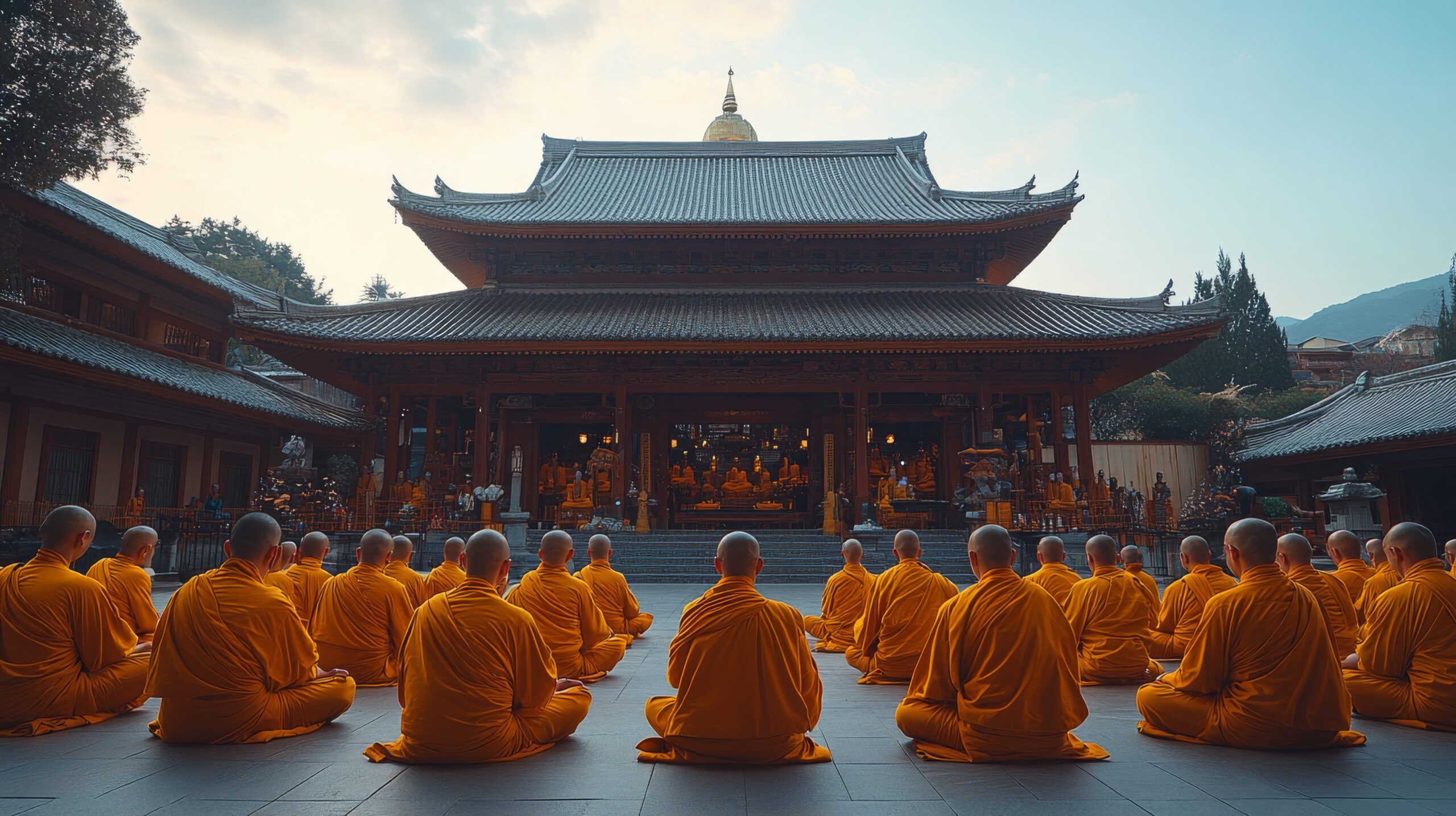
People practice Gayatri Mantra chanting during the three daily times of sunrise, noon, and sunset. The sacred times of Sandhyas mark two daily points when people’s minds become their most open state.
It can be chanted without needing to perform complicated ceremonial procedures. The person can sit still in a silent area while he closes his eyes to listen to the mantra’s rhythmic sound. The process of repetition operates differently from simple mechanical chanting because it enables sound vibrations to help people achieve mental focus.
People should chant the mantra with complete honesty and modesty according to its guidelines. The objective of the exercise requires speakers to establish their pronunciation patterns according to their intended communication goals.
Gayatri and the Inner Journey
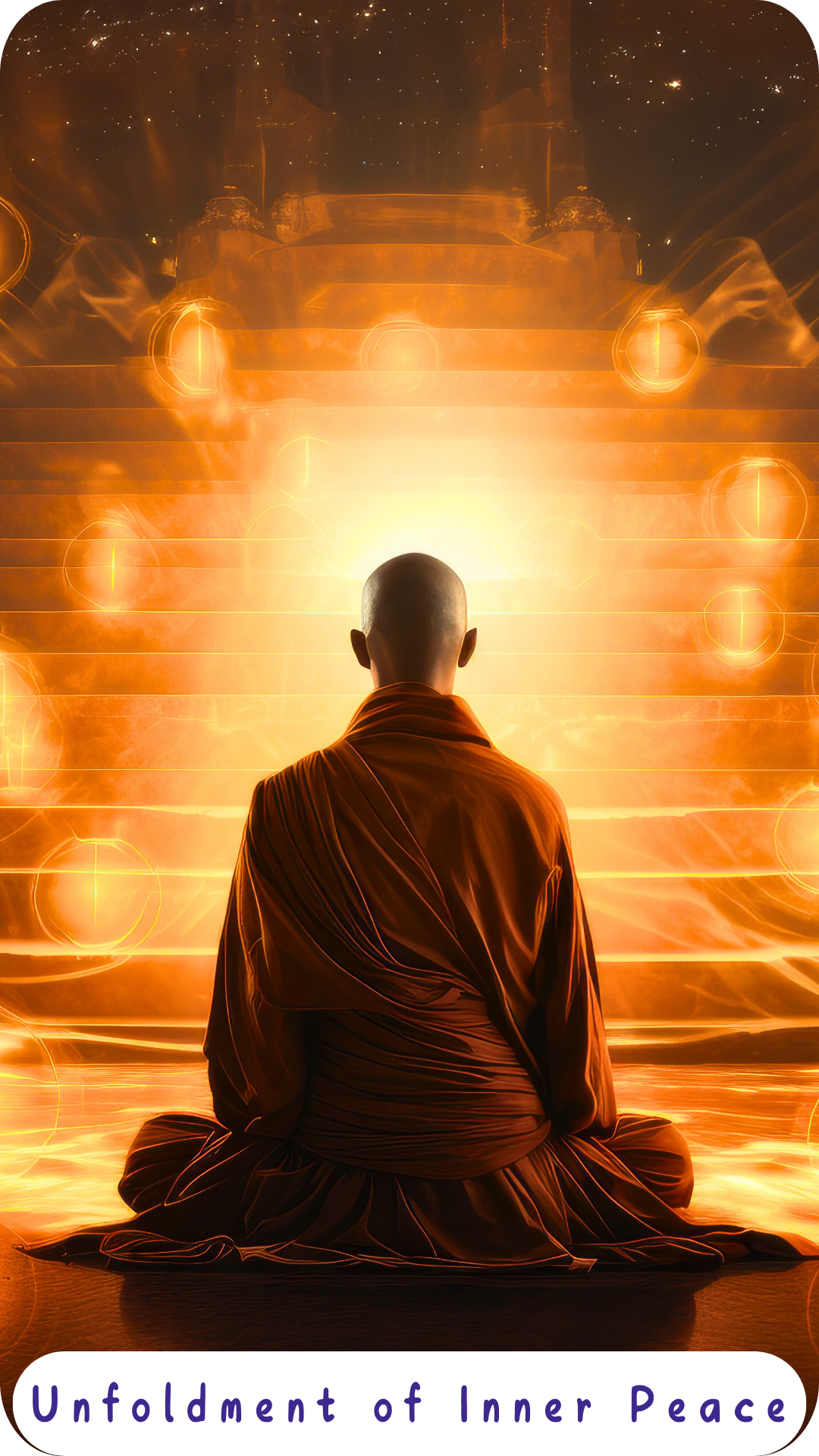
The Vedas direct us to direct our attention towards our inner existence. The Gayatri Mantra perfectly matches this philosophical system. The request asks for external blessings while it also invites people to discover their inner brightness.
The mantra asks for intellectual guidance because it shows that spiritual development first needs to reach clear understanding as its base. A person with a clear mind sees through all deceptions and behaves with kindness while making decisions based on his or her understanding of wisdom.
Over time, practitioners of Gayatri Mantra have described its effects as:
- Calming the restless mind.
- Cultivating focus and awareness.
- Inspiring ethical living.
- Deepening meditation practices.
In this way, Gayatri Mantra is less of a ritualistic chant and more of a guide to living with purpose and awareness.
Modern Relevance
This ancient mantra holds value today because it applies to all people. The human experience is defined by our need to understand everything which brings us inner peace and physical strength to overcome all life obstacles.
Gayatri Mantra provides a continuous practice which helps people develop their mental abilities through its enlightened focus. The statement teaches us that people already possess wisdom because it exists within their being and needs to be discovered.
The people who struggle with continuous interruptions and loud sounds can find peace through Gayatri Mantra chanting which helps them achieve peaceful silence. The practice involves more than religious beliefs as it helps us rediscover our inner self which exists beneath our conscious mind.
A Living Tradition
Gayatri Mantra maintains its status as India’s most frequently recited mantra which people continue to practice worldwide. Its simplicity and universal nature and its deep meaning create accessibility for people from all age groups and backgrounds and belief systems.
The beauty of Gayatri Mantra is that it does not demand. It invites. The space does not establish boundaries; it creates opportunities for exploration. The chant functions as a reminder that people should prioritize their search for wisdom through prayer instead of asking for material wealth and they should pursue mental clarity which leads to inner light instead of outer distractions.
Closing Thoughts
The Vedas describe Gayatri as a mantra which enables people to remember their bond with the universal connection. The lesson shows us that true prayer exists when people search for mental and emotional guidance instead of asking for material things.
When we recite or think about Gayatri Mantra we join a tradition which has existed for more than 10000 years. We repeat the same prayer which asks for divine guidance to direct our thinking and emotional understanding while we pursue truth.
The Gayatri Mantra exists as an eternal invitation which serves as a soft reminder that all external light actually exists within us.
Curious to explore more ancient practices for healing and inner balance? Stay connected with Masi Wellness for insights, reflections, and practices that nurture the spirit.
References
What is Mantra? — Origin, Significance and How to chant – Pujayagna.com — https://pujayagna.com/blogs/facts-about-hinduism/what-is-mantra?srsltid=AfmBOoo-_rSRSoLelAQ89at9WMG2JDmLdOY8qX546b9Os-aAuhmJR5pV Eshwar Bhakti
Origin & History of Vedic Mantras
Satyaloka.net — https://satyaloka.net/the-origins-of-vedic-mantras/?
History and Origin of Mantras
MantrasApp Blog — https://mantrasapp.com/blogs/origin-of-mantra/?
Ancient Science of Mantras – Wisdom of the Sages
PMC (NCBI) — https://pmc.ncbi.nlm.nih.gov/articles/PMC6937880/?
Om Mani Padme Hum – The Mantra of Compassion
BuddhistDoor.net —https://www.buddhistdoor.net/features/om-mani-padme-hum-the-mantra-of-compassion/?
The Meaning of Om Mani Padme Hum
TNP.org — https://tnp.org/the-meaning-of-om-mani-padme-hum/?
Meaning & Benefits of Chanting Om Mani Padme Hum Mantra
Mindworks.org — https://mindworks.org/blog/meaning-and-benefits-of-the-om-mani-padme-hum-mantra/?
Wikipedia page on Mantra
https://en.wikipedia.org/wiki/Mantra