Introduction
Have you ever thought about a young professional who experiences difficulties when he needs to complete work tasks and fulfill social commitments while dealing with constant phone interruptions. Her generation now sees wellness as a fundamental value which extends beyond its basic meaning to them. Western countries have seen young adults choose wellness as their main focus because they face increasing levels of stress and mental health issues. In 2020, almost one third of U.S. young adults between 18 and 25 years old experienced a mental health disorder. The statistic demonstrates that more people now require complete support services for their well-being needs. Young people increasingly understand that maintaining health requires more than treating sickness because it necessitates continuous mental and physical and spiritual health development.
Modern Pressures and the Search for Balance
The experience of modern Western young adults resembles the intense environment of a pressure cooker. Why are so many youths struggling? Their current situation shows unique challenges which create difficulties for them. The combination of academic and career requirements with financial pressures from student debt and high living expenses and an unending digital environment leads to anxiety and burnout. People use social media to stay in touch with others but it creates situations where they compare themselves to others while fearing that they will miss important events. The result of a recent survey shows that nearly half of teenagers believe social media harms their friends’ mental health. Young people experience social disconnection or emotional exhaustion although they maintain continuous internet access.
The evidence shows how these pressures affect people. Young people across Western nations report feeling less happiness than older generations which creates a dramatic change from previous historical patterns. Youth experience high rates of depression and anxiety. The percentage of U.S. young adults with mental health disorders increased from 18 percent in 2009 to 30 percent in 2019. People face mental health issues plus bodily problems because their sleep patterns become irregular and they develop unhealthy eating habits and inactive lifestyles.
The COVID-19 pandemic only magnified these issues. Young adults experienced major distress from receiving sudden social separation together with virtual education and employment and unpredictable life circumstances. This generation wants methods to relieve their stress together with tools to manage their mental health while they search for life stability. The rising popularity of wellness practices serves as a method for people to combat their stress problems while they aim to find equilibrium in their daily existence.
What “Wellness” Really Means for Young Adults
Health extends beyond doctor visits for illness because wellness establishes an active health maintenance system. People must treat their entire existence through daily practices which cover their physical, mental and spiritual development. People should maintain their health through regular exercise and balanced nutrition and adequate sleep and mindfulness or meditation practice together with social relationship development. Young adults need to discover their life purpose together with happiness which exists throughout everyday work activities to achieve their wellness goals.
Young people from Millennial and Gen Z generations have transformed wellness into something available to everyone instead of a luxury which only wealthy older people can access. Young people today understand wellness as a customized daily practice which they integrate into their regular activities. People can use meditation to establish their morning equilibrium between yoga which helps them release workplace tension and their choice of herbal tea to create a peaceful atmosphere for sleeping instead of going to all-night parties. People should prioritize maintaining their well-being through balance instead of waiting until problems emerge to begin solving them.
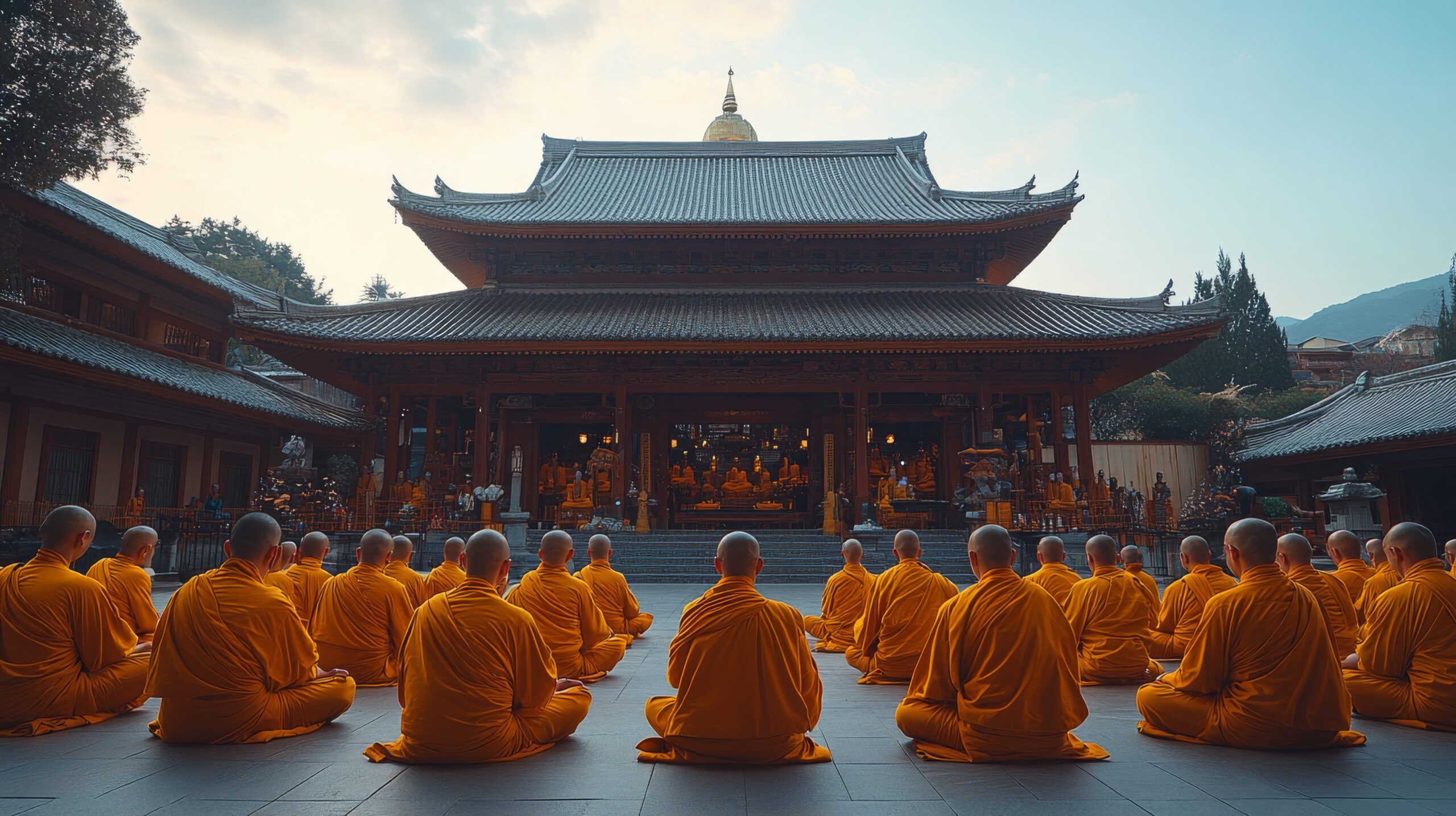
The young generation considers mental and emotional well-being as a fundamental element which contributes to their overall wellness. People now talk freely about their emotions while they seek professional help through therapy and they develop their personal self-care routines. People now understand that activities such as journaling and breathwork and walking mindfully in natural settings serve as essential methods for effective stress management. Western youth culture adopted mindfulness which originates from Eastern meditation traditions to help people remain in the present moment while reducing their anxiety levels. Young adults achieve wellness through complete health management which requires them to understand their body and mental needs followed by appropriate health responses.
Why the West’s Youth Are Embracing Wellness
The current wellness trend among young Westerners demonstrates their actual need for better health solutions.Studies show that younger generations are reporting higher rates of burnout and stress than older groups. About 40% of Gen Z in the U.S. say they feel stressed “almost all the time”, compared to 23% of older adults. Young people respond to their current health situation by searching for ways to treat their health problems and prevent future health complications.
Young adults find wellness appealing because it presents them with practical methods to handle their everyday challenges. The students now practice mental health care through stress relief methods which include taking breaks and using meditation apps and yoga and their essential rest periods. Young people in Western countries now practice yoga and meditation at higher rates than ever because these activities combine exercise with mindfulness training. It’s now common to see a 25-year-old at a yoga class, or a student practicing mindfulness to cope with exam stress.
A cultural transformation is currently taking place. The young adults who observed their parents and older relatives experience burnout and lifestyle-related diseases have decided to choose a different life path. The main message of preventive health emphasizes that people should develop healthy habits now instead of waiting for future health problems to occur when they will need medical care. In one survey, nearly 30% of Gen Z and millennials in the U.S. reported they’re prioritizing wellness much more than a year ago, a higher share than older generations. The age group leads a wellness movement which shows that health should receive priority status instead of being treated as a minor concern.
The combination of Eastern and Western wellness methods serves as a second element. Young Westerners have developed a greater interest in traditional Indian and Chinese practices which include mindfulness meditation and yoga and acupuncture and Ayurveda together with Western methods which involve therapy and gym workouts. The combination of ancient wisdom and modern scientific knowledge attracts a generation which wants to keep all possibilities open. The system enables users to select the methods which help them achieve their best health results.
Core Wellness Principles for Young Adults
What does it actually look like to live a “wellness lifestyle” as a young adult? While there is no universal solution to this problem three main principles demonstrate their effectiveness. The following practices should be embraced because they will enable people to develop resilience while achieving better health:
- Mindfulness and Mental Health: Mindfulness practice through meditation breathing exercises and quiet time breaks helps people control their stress and anxiety. People learn to stay present while they observe their thoughts without becoming overwhelmed. People who need mental health treatment have options which include counseling through professionals or writing in journals to understand their feelings or practicing enjoyable activities.
- Physical Activity and Rest: Our bodies require movement because it is essential for their function yet we also require periods of rest. People who exercise through jogging dance classes or gym workouts will experience improved mood and reduced stress. People should seek activities which they find enjoyable rather than activities which feel like obligations. Sleep holds equal importance with sleep being a challenge for many young adults who stay awake for social media activities. People who want to enhance their mood and energy levels should obtain between 7 and 8 hours of sleep because it also helps them perform better in academic and work environments.
- Young adults need to eat healthy food because it provides them with necessary energy for their daily activities. Basic wellness principles require people to consume a balanced diet that contains whole foods and to drink enough water throughout the day. People should eat pizza and ice cream but they need to practice moderation while they watch their body signals. The present generation chooses to learn cooking skills or cook healthy meals because they see their body health improves with proper eating.
- Social connections and community networks provide essential support to individuals who want to reach their wellness objectives. Spending time with supportive friends or family, joining clubs or online communities, can combat feelings of loneliness. Positive friends who share similar values with you will assist you in maintaining your motivation because you will achieve your health goals more easily when someone supports your progress.
- The ability to find life meaning through purpose together with the practice of self-examination forms an essential component for achieving good health. People can achieve their life goals by pursuing their career ambitions or artistic endeavors or through working with organizations or establishing personal development targets. Your daily activities gain purpose through your understanding of why you complete them. Young adults need to take breaks from their screen time to evaluate their core principles and life objectives through activities like journaling or meditating or walking. The principle teaches people to develop their inner life through spiritual practice which gives their healthy lifestyle choices greater significance.
Making Wellness a Daily Habit
The process of adopting a wellness-oriented lifestyle requires time to achieve its full effect. Small actions demonstrate their capacity to create positive outcomes through the example of five minutes spent on morning stretching and lunch breaks dedicated to walking which enhance your mood and energy levels. The following additional methods serve to establish wellness practices as part of your everyday activities:
- Unplug Regularly: People need to take breaks from their digital devices and social media platforms. Most young adults now use digital detox methods which involve them stopping all screen activities for one to two hour periods before their bedtime and they also choose to limit their phone usage to essential calls throughout one day each week. People who reduce their screen viewing time particularly during nighttime hours experience better sleep patterns combined with enhanced mental focus. People who replace their social media time with reading and drawing or daydreaming activities experience an unexpected feeling of mental rejuvenation.
- Set Boundaries and Balance: The practice of boundary establishment functions as a self-care method which people need to learn. People need to stop reading their work emails when their work day ends and they must decline social invitations when their body needs rest. People have the right to make their rest time the most important thing in their lives.
- Look for support whenever in need: You should reach out for assistance whenever you require help. The ability to acknowledge that you need others to support your efforts represents your essential achievement. People can find support through three main ways which include talking to their trusted friend, joining a support group, and seeking professional assistance. Support from others together with expert guidance makes the process of achieving wellness better for some people.
Conclusion
The Western young adult population shows an increasing demand for wellness services because they are responding to current social conditions. People encounter various difficulties in their lives yet the good news is that this generation actively pursues methods to establish equilibrium while they recover. They create new ways to improve their health by merging traditional knowledge with contemporary self-care techniques which include mindfulness practice and modern self-care methods.
Western young adults who embrace wellness culture do so because they wish to regain control over their personal health management. The movement declares health goes beyond the absence of illness because it exists as a continuous state which combines physical health with mental tranquility and life purpose. Young people who prioritize wellness at this time create a joyful future for themselves and their community. The wellness trend shows its most essential human characteristic by demonstrating that every person including ourselves deserves to receive care and compassion.
Want to support your wellness journey?
Explore Masi Wellness for meditations, crystal healing, and guided practices rooted in peace, presence, and purpose.