Om Mani Padme Hum – a familiar phrase to most. You see it emblazoned on Tibetan prayer flags in places such as Kathmandu or Gangtok, and many yoga practitioners and general enthusiasts of the spiritual side of things recite it from time to time. For adherents of Tibetan Buddhism however the words have far greater meaning, expressing hopeful and sacred aspirations which provide physical and spiritual sustenance. Here we look at the benefits of this famous mantra for body and soul, and offer a series of simple meditations and ways in which you can include it in your daily life.
What Does Om Mani Padme Hum Mean?
The recitation of Om Mani Padme Hum to the average person sounds like nothing but random words and sounds. To the modern man they have little meaning. However, the words and meanings behind these six sounds have long roots in the heritage of Buddhist thought and belief. The words are of Sanskrit and Tibetan origin and come from the school of Tibetan Buddhism. The simplest yet the most commonly translated version of this phrase is, “Praise to the Jewel in the Lotus.”
- Om being the very initial sound used for chants with no translation, and is often described as the universal sound or the sound of pure reality.
- Mani – (māni) Meaning jewel. Isn’t it obvious that a lot of people consider a jewel as something which is highly valuable and pure.
- The word Padme is a derivative of the Himalayan language translating into the word “lotus flower” and in addition to that many Eastern cultures consider the lotus flower pure and a symbol of spiritual development. The Padme grows spotlessly from the mud.
- Hum (Hung) – The Sound of the Spirit. It represents realization of oneness and the energy of the Heart. Also, Hum is considered as the final sound of all mantras which completes and seals their energies.
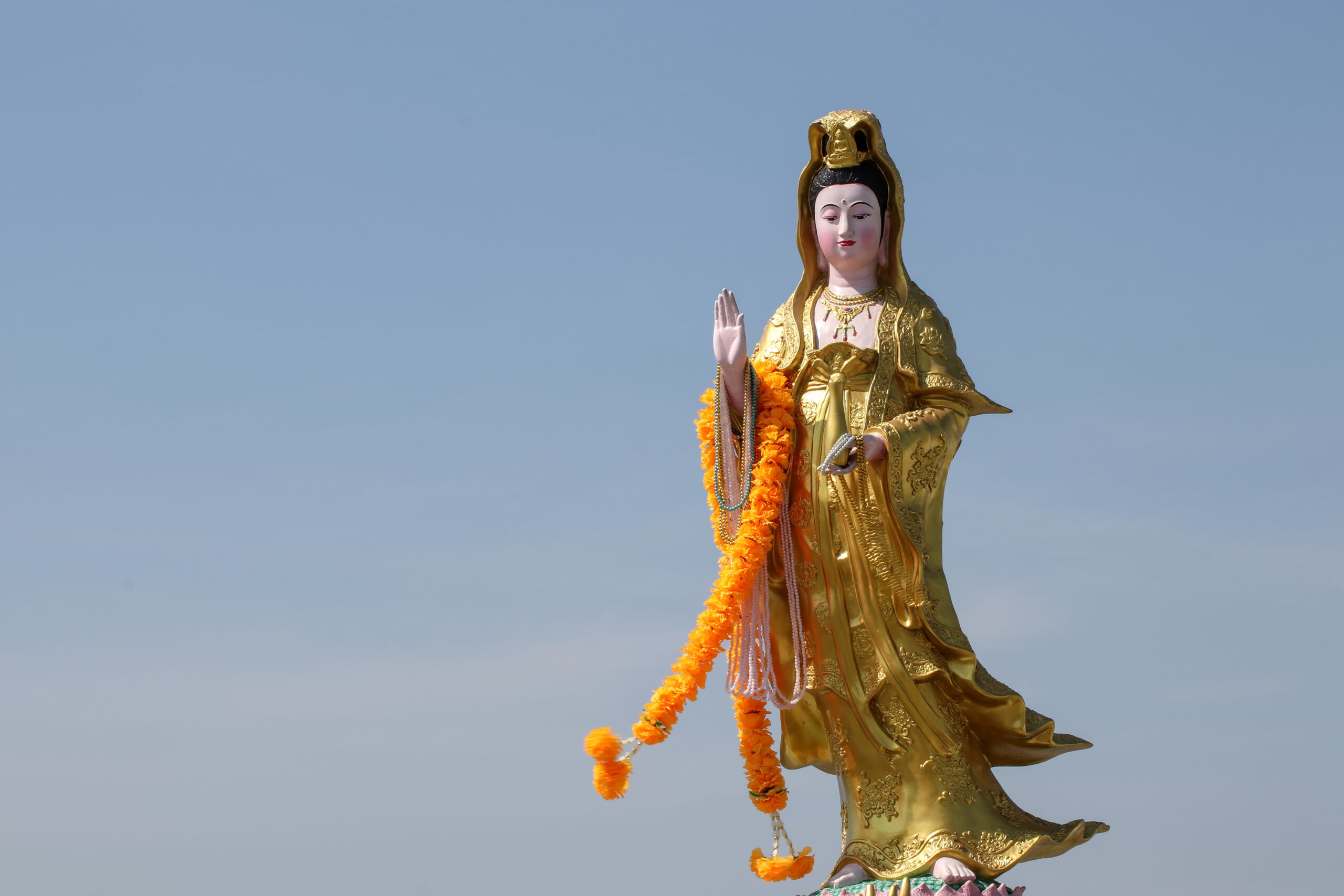
Om Mani Padme Hum, which intrinsically means “Bring forth the Jewel from the mud,” is often related to Avalokiteshvara, the Buddhist deity who is also known as Chenrezig in Tibetan and is regarded as having limitless compassion for others. This mantra is often seen as a call for compassion and can help connect one with this pure energy by repeating it.
The instruments on the new Mantras album have fitting names. While the word “Mantra” means “instrument of the mind” in Sanskrit, it can be utilized such as “Om Mani Padme Hum” as a tool to tune one’s mind to a state of wellbeing, optimism, and compassion.
Origins and Cultural Significance
Om Mani Padme Hum is a very commonly recognised mantra and is considered to be derived from Sanskrit language. This particular mantra is capable of radiating compassion and has been found in Buddhist texts for ages.
Did you know that this mantra can be seen on several stones and simple chalk paintings that can be found on footpaths and perilous mountain paths in Tibet, Nepal, and Bhutan. In fact, this Mantra is also printed on prayer flags and placed in various locations. It is also embedded in prayer wheels that the locals walk miles each day whilst repeating the mantra. As the wind blows our prayer flags and the wheels of our wheels travel around the world, the blessings of the mantras contained within them go forth as well.
Not just that, but the mantra “Om Mani Padme Hum” has been seen inscribed on the foot of the huge rocks of Mount Everest and on the walls in exquisite Tibetan writings. One can be unaware of the words’ importance if at all being unfamiliar with this. This can also make a person even more aware of the world’s beauty. The holy chant of this mantra can bring in a person world’s unsaid treasures which are a sense of compassion and wisdom. Have you ever heard the saying that lotus cultivation is usually challenging but it always blooms in mud. Similarly, this mantra is an example that compassion and wisdom helps you bloom as a person in the difficult times of life.
In Buddhist circles, “Beings, I beg of you, reflect on this” is often repeated by monks and lay practitioners alike. But a lot of non-Buddhists also consider this statement as impactful. They chant it, repeat it so that their heart grows, their mind soothes and their health remains in good condition. This statement is also heard in health and wellness sessions including yoga and mind sessions. In fact, you can always witness such books about meditation in spiritual gift shops around you.
Kamal Kaaman is back with another spiritual video, this time with one of the most powerful mantras of all time – Om Man.
Buddhist beginners tell us that reciting Om Mani Padme Hum has a lot of power. No doubt you are thinking of physical power, material change, or instant results. However these are all external and the recitation of the mantra has its results in the mind. It has the power to change our way of perceiving things and in the long run transform our minds. Here, we’ll look at the significance of this holy mantra and discuss its advantages..
Developing Compassion: A call to compassion via prayer. You can awaken your own Cultivating Compassion by repeating this phrase. This mantra will elicit compassion from the bodhisattva Avalokiteshvara. You will develop tolerance and kindness as you repeat the phrase “Cultivating Compassion,” first with yourself and then with other people.
Why Do People Chant This Mantra? (Spiritual Benefits)
This is the The Mantra for Purifying the Mind and Heart, as used in Tibetan Buddhist practice, specifically within the Manjugosha (Joyful Liberator) sadhana. Each of the six syllables of the Manjugosha Mantra are said to have the power to either purify one viceful thought pattern or to help develop one virtuous thought pattern. For instance, Om removes pride, Ma destroys jealousy, Ni destroys passion or desire, Pad destroys ignorance, Me destroys greed, and Hum destroys rage. When the full mantra is recited, all of these negative traits are calmed and replaced with virtues like generosity, forgiveness, and patience.
According to a Tibetan guru, it is simple to chant the mantra Om Mani P αme Hum, but it is challenging to understand its meaning and recite it correctly. There is nothing else comparable to reciting the mantra Om Mani Pädme Hum, for it is the essence of enlightened activities, the essence of all teachings.
A Simple Path to Finding Focus and Peace: On a very down-to-earth level, repeating a mantra gives your mind something to focus on.Repeating Om Mani Padme Hum makes it difficult to be upset, preoccupied, or anxious. The end goal is that most individuals report feeling lighter and more cognitively clear after a few minutes of recitation! This mental clarity is called finding one’s “true nature,” but it could also be described as feeling peaceful and calm.
The something greater part: As with any practice, there is an element of faith and trust that one must surrender to. But, historically speaking, there is no lack of bodies to sit on and connect with as you develop your own relationship with the practice. Many practitioners even report feeling protected or supported by the vibration of the sound. Traditionally this particular Mantra is said to not only protect one from negative energies, but to also bring good fortune. While this practice may seem like “soul food” for the advanced practitioners of the spirit, even the beginner can experience and feel the emotional nourishment of the comfort and uplift of repeating this Mantra.
Some of this may seem to be ‘mysterious’, however the purpose of these stories is to open the heart and calm the mind, and everything discussed here is available to everyone, whatever their beliefs. So we call on Om Mani Padme Hum for the blessings of the wisdom aspect of a compassionate deity, but it is also a powerful affirmation of inner peace.
(A quick note on pronunciation: In case you’re wondering, it’s pronounced roughly “ohm mah-nee pahd-may hum.” Don’t worry about exact Tibetan or Sanskrit pronunciation – the intention matters more than getting it perfect!)
Mind-Body Benefits (What Does Science Say?)
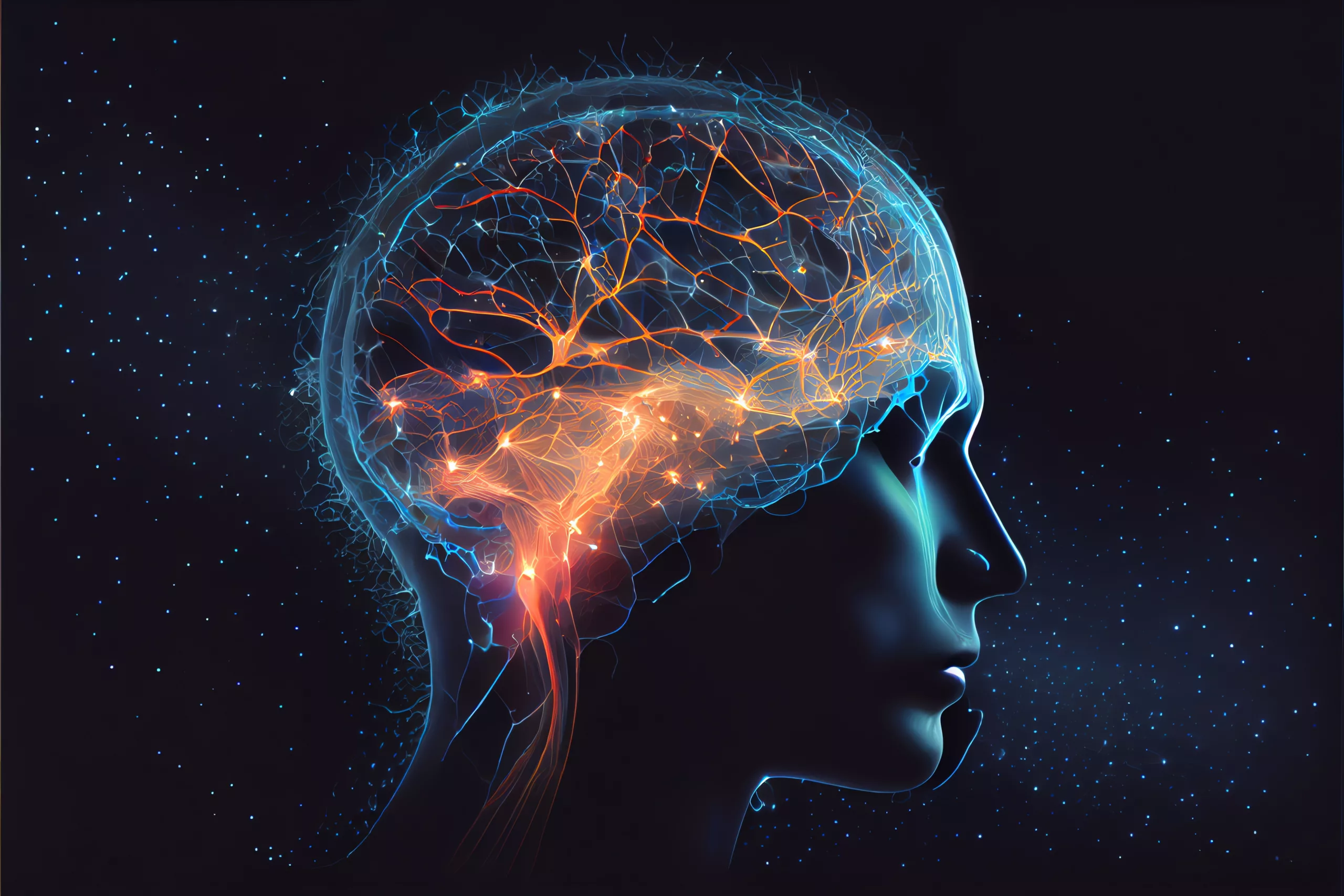
Mantra chanting is generally thought of as a very spiritual activity with roots in ancient customs and beliefs. Yet, the insights gained by what science and psychology can tell us about chanting are increasingly gaining mainstream popularity. The consequences of repetition on the brain and body have been studied by an increasing number of experts, who have discovered some very unexpected and groundbreaking findings.
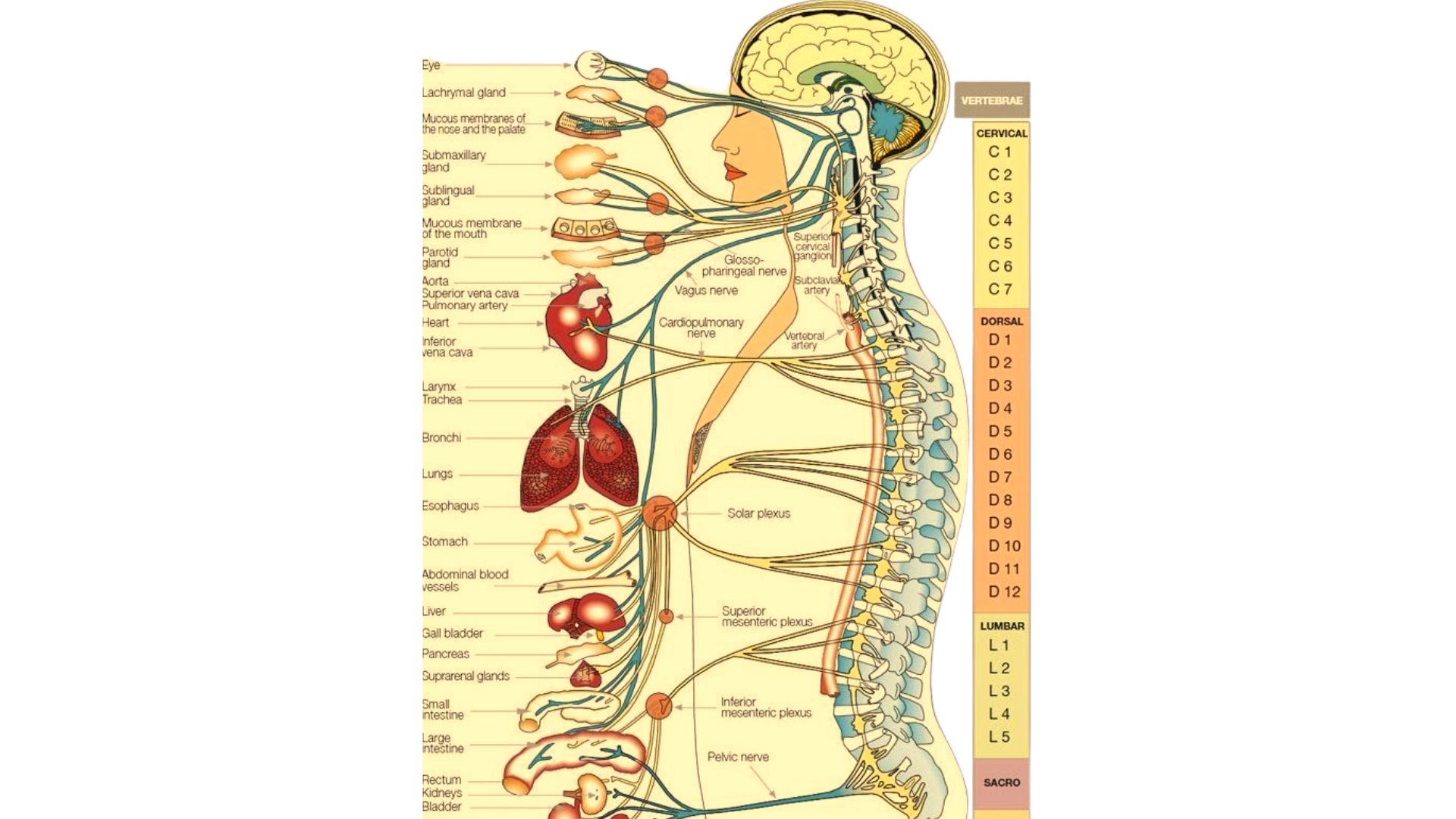
Many individuals are aware that various emotions can be evoked by music. But did you know that meditation with sound can lower stress powerfully? Of course, many people do this naturally already by singing calm, for instance. Scientific studies on the effect of mantra repetition have also shown that the level of stress and tension felt by participants decreases significantly. Focusing on the sound of a word or phrase (mantra) can trigger our body’s relaxation response, thereby opposing stress hormones such as adrenaline. By repeating the sound of “Om” for instance, our parasympathetic nervous system (PNS) or “rest and digest” system is activated. A five minute period of Om mani padme hum-meditation has, for instance, been shown to increase activity of the PNS. It is amazing how quickly we as humans can transform into an ‘at piece’ state by simply chanting for a few minutes each day.
Additional advantages: Anxiety and Mood: Mantra practice can help reduce anxiety and elevate mood by calming and settling the mind. Chanting mantras has been shown in numerous studies to lessen anxiety and even depressive symptoms. For instance, compared to a control group, college students and hospital patients who repeated mantras reported feeling less anxious and experiencing fewer depressive symptoms. A mantra’s slow, repetitive pattern regulates breathing and heart rate while conveying a sense of security to the mind. Habitual meditation practice also leads to greater stability of mind and decreased reactivity to stressors.
Clearing Mental Ramblings: The mind is a habit driven thing that tends to wander in a million different directions. Before the practice of reciting mantras, the mind would only be able to stay focused for a short amount of time before going off on some random tangents or daydreams. The practice of reciting mantras or certain words improves concentration and memory in the short term as the mind is focused and trained to return again and again to a single point. In this way the mind develops its “attention muscle” that can be used in all aspects of life to focus on any task or activity. Reciting “Om Mani Padme Hum” at the beginning of the day gives clarity to your activities of the day and brings you to the moment to share loving energies with family.
Have you ever heard of physical resonance? Most people experience it when someone else is singing and they sing along. They feel the vibration of the sound coming from within their chest or throat. The vibration of “Om” is often used for healing in many cultures. However, did you realize that your breath may cause physical resonance? Your vagus nerve can help you relax both mentally and physically by slowing down your breathing. Additionally, you may experience a drop in blood pressure and a rise in heart rate variability, which is a gauge of your body’s capacity to cope with stress.
In summary, modern science is starting to validate what ancient practitioners believed – chanting mantras can be good for you. It’s not a cure-all, of course, but as a tool for managing stress, enhancing well-being, and possibly deepening your self-awareness, it has a lot going for it. And best of all, it’s simple and free to do anywhere.
How to Start Chanting Om Mani Padme Hum
Om Mani Padme Hum is a mantra that can inspire and provide great joy even to non-Buddhists. In this book, simple ways of practice are presented along with instructions on how to start and maintain a meditation routine, all suitable for beginners.
Repeat Om Mani Padme Hum aloud (soft voice or quiet) while sitting comfortably and saying Mah-nee, Pahd-may, and Hoom distinctly. You can chant steadily while focusing on the sounds of the words, or you can breathe slowly and repeat the syllables aloud. Remember to bring your distracted mind back to repeating the words. You can either use this mala (108 beads) to count your repetitions – or just repeat for a few minutes.
Simply sit quietly for a few minutes after hearing the sounds. You can incorporate these sounds into your everyday routine by listening to this tape during downtime or repeating the mantra to yourself when you’re anxious or agitated. No further practice is needed, just an open heart.
There is no right way to practice love. Some folks fear that they are doing things “wrong” at first. You’re already doing it correctly. You have an open mind and an open heart when it comes to love. You are cultivating some awareness and heart-centeredness by spending a few minutes each day practicing love. You don’t have to immediately have significant experiences or insights. You will experience increased clarity, serenity, and empathy the more you practice.
Conclusion
One of the most revered mantras in the world, Om Mani Padme Hum, will be discussed in this lesson. This six-syllable mantra, dubbed the “jewel of mantras,” embodies the highest spiritual values and makes them applicable to modern practice. In a world that is becoming more and more external, reciting and living out Om Mani Padme Hum fosters compassion, soothes our brains, and helps us connect with our inner selves.
Take a lighthearted and curious approach to the practice. Consider this book to be an experimental self-help manual. What happens in a week of practice? Something good? Something bad? The little spaces provided for journal entries at the back of the book are to record the tiniest changes—good or ill—occasioned by the practice of mantras and pujas. If, for example, after months of short-tempered crankiness you are able to keep your cool when someone needs you to respond, or if, after a grueling meditation practice you are able to come back to the center of your being more easily, you can be fairly certain that the mantra’s seed is beginning to sprout.
Om Mani Padme Hum reminds us that there is a lotus of peace and compassion within the mud of our everyday problems and suffering and that this enlightenment is within each of us. We need to familiarize ourselves with it, experiment with it and then it can become your best friend. An old Tibetan saying which the Dalai Lama repeats frequently is: all the qualities of the enlightened beings already reside within us. We just need a little reminder and this is why there is Om Mani Padme Hum.
Please enjoy! May there be benefit, and may the jewel in your lotus flower bloom beautifully.
References
Rigpa Wiki – Om Mani Padme Hum (Buddhist context and meaning)
https://www.rigpawiki.org/index.php?title=Om_mani_padme_hum
Smithsonian Magazine – Om Mani Padme Hum: The Meaning of the Mantra in Tibetan Buddhism
https://www.smithsonianmag.com/blogs/national-museum-of-asian-art/2020/05/21/om-mani-padme-hum/
FPMT (Foundation for the Preservation of the Mahayana Tradition) – Lama Zopa Rinpoche’s teachings on the mantra
https://fpmt.org/mandala/archives/mandala-for-2011/july/om-mani-padme-hum/
Tricycle: The Buddhist Review – The Six Syllables of Om Mani Padme Hum
https://tricycle.org/magazine/om-mani-padme-hum/
Dalai Lama – Quotes and explanation of Om Mani Padme Hum (official teachings archive)
https://www.dalailama.com/speeches/om-mani-padme-hum
National Center for Biotechnology Information (NCBI) – Mantra Meditation: A Review of its Neurophysiological Effects
https://www.ncbi.nlm.nih.gov/pmc/articles/PMC4895748/
Frontiers in Psychology – Mantra Meditation and its Effects on Stress, Anxiety, and Mood
https://www.frontiersin.org/articles/10.3389/fpsyg.2017.01806/full