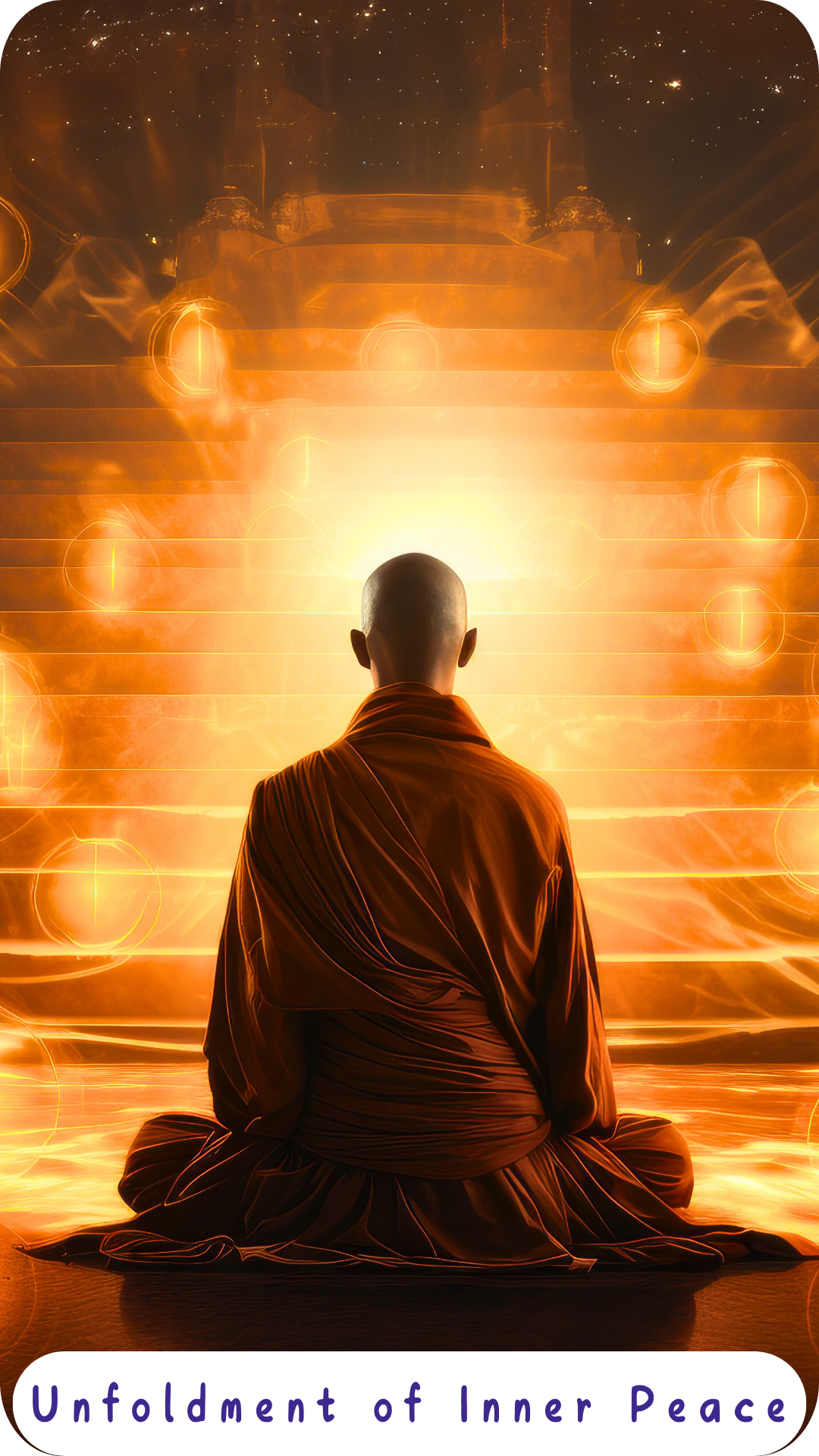
Introduction: What Is Self-Actualization?
Everyone in your life is trying to achieve success and/or to make more money in some way and you may hear a voice inside you telling you to be better than you are now and to live life full of meaning. This is what you refer to as “self-actualization”.
True fulfillment begins when you recognize who you really are. Instead of aiming for perfection, aim at living in line with your core nature. Like a plant meant to unfold its own form, every person holds unique strengths. These abilities guide you toward activities that spark meaning and energy. Expression of inner truth leads naturally to growth. A sense of direction emerges not from effort alone, yet from alignment.
Self-actualization does not demand flawlessness nor lofty status. This path unfolds and is shaped by individual growth. It is like sunlight warming a bud – slow, natural, inevitable. Uniqueness emerges through inner rhythms: interests, strengths, principles. Following these leads toward deeper alignment, moment by moment. What fits one soul may not fit another; still, clarity grows when living from within. Most times, purpose appears alongside the experience of choosing one’s path, shaped by personal values rather than outside expectations..
Historical Roots: From Philosophy to Psychology
The idea of becoming yourself is not new. It has been around for a time and has its roots in philosophy and psychology. A time ago a philosopher named Aristotle talked about something called eudaimonia, which means living well. He believed that people should try to be their best and do what they are meant to do.
A famous psychologist named Abraham Maslow said that self actualization is the most important thing for people to achieve. He believed that people have needs and that self actualization is the highest need. Maslow said that when our basic needs are met we want to grow and become what we are capable of becoming.
Maslow summed it up in a famous quote:
“What a man can be, he must be. This need we call self-actualization.” – Abraham Maslow
Self-Actualization and Wellness: The Connection
“A musician must make music, an artist must paint, a poet must write—if they are to be ultimately at peace with themselves.” – Abraham Maslow
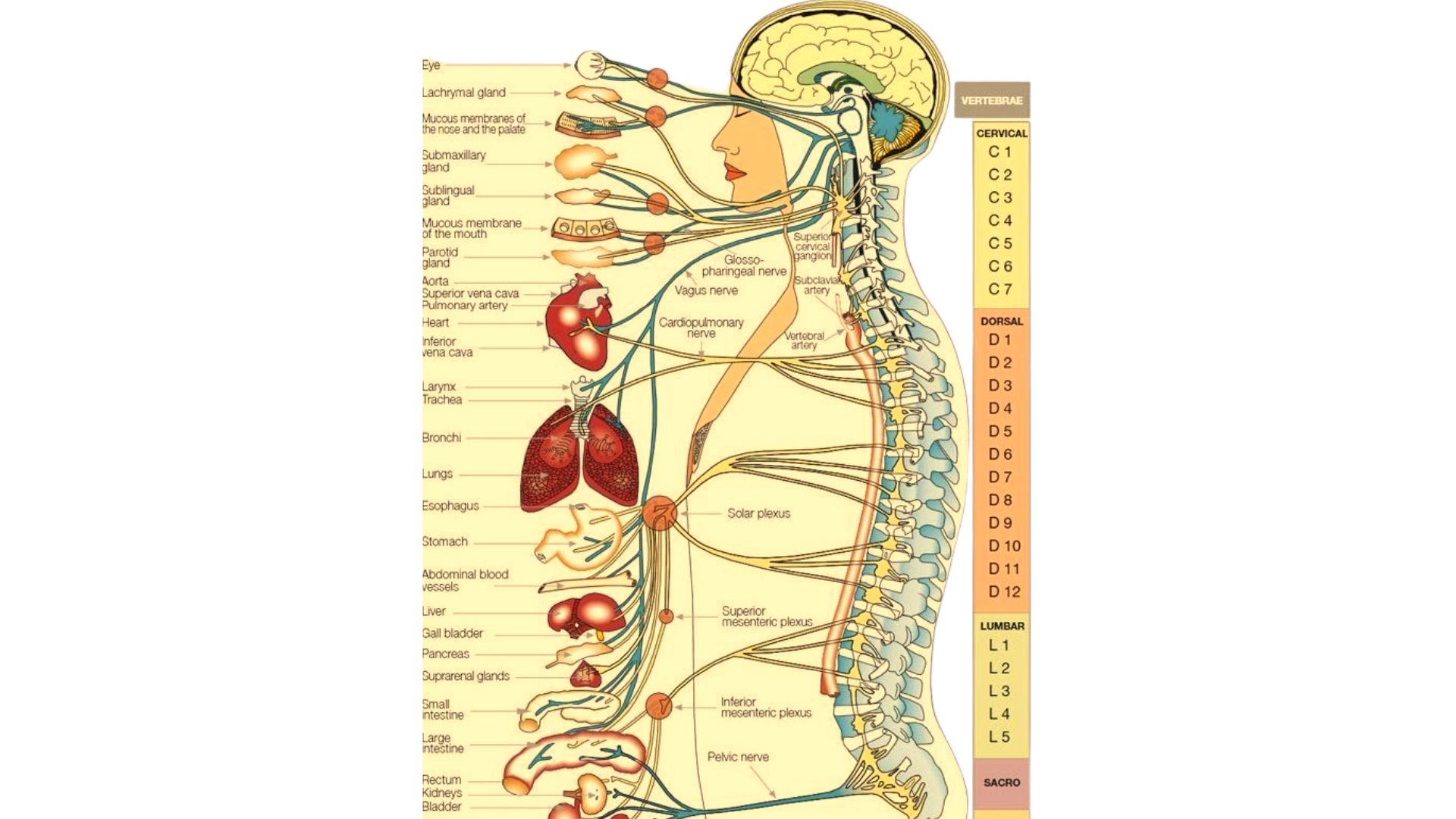
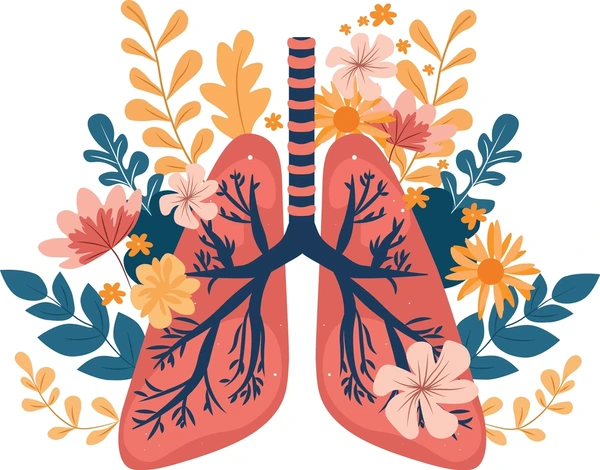
True wellness is not just about not being sick or having a fit body. True wellness is about the body system it is about the mind, the body and the spirit. When you work on yourself to be the best you can be you are taking care of your being. So true wellness and being the best you can be go together.
You can think of wellness like a wheel with parts: your physical health how clear your mind is, how balanced your emotions are and how at peace you are with yourself. The middle of the wheel is about being the best you can be. So when you try to be the best you can be you will start to take care of all parts of your health. For example when you find something that gives your life meaning you will feel better emotionally and mentally. When you have things you want to achieve and a direction, in life you will want to take care of yourself.
Similarly good habits like exercise, meditation or eating well give you the energy and clarity to pursue yourself. When you grow as a person you feel well. When you feel well you grow even more. Moving toward your goals gives you a sense of happiness and peace. Living in tune with who you are means less stress and inner conflict. By paying attention to what you need and value and doing something about it you feel more calm and centered. On the run, living this way makes you feel whole and healthy. Many old traditions understand this link.
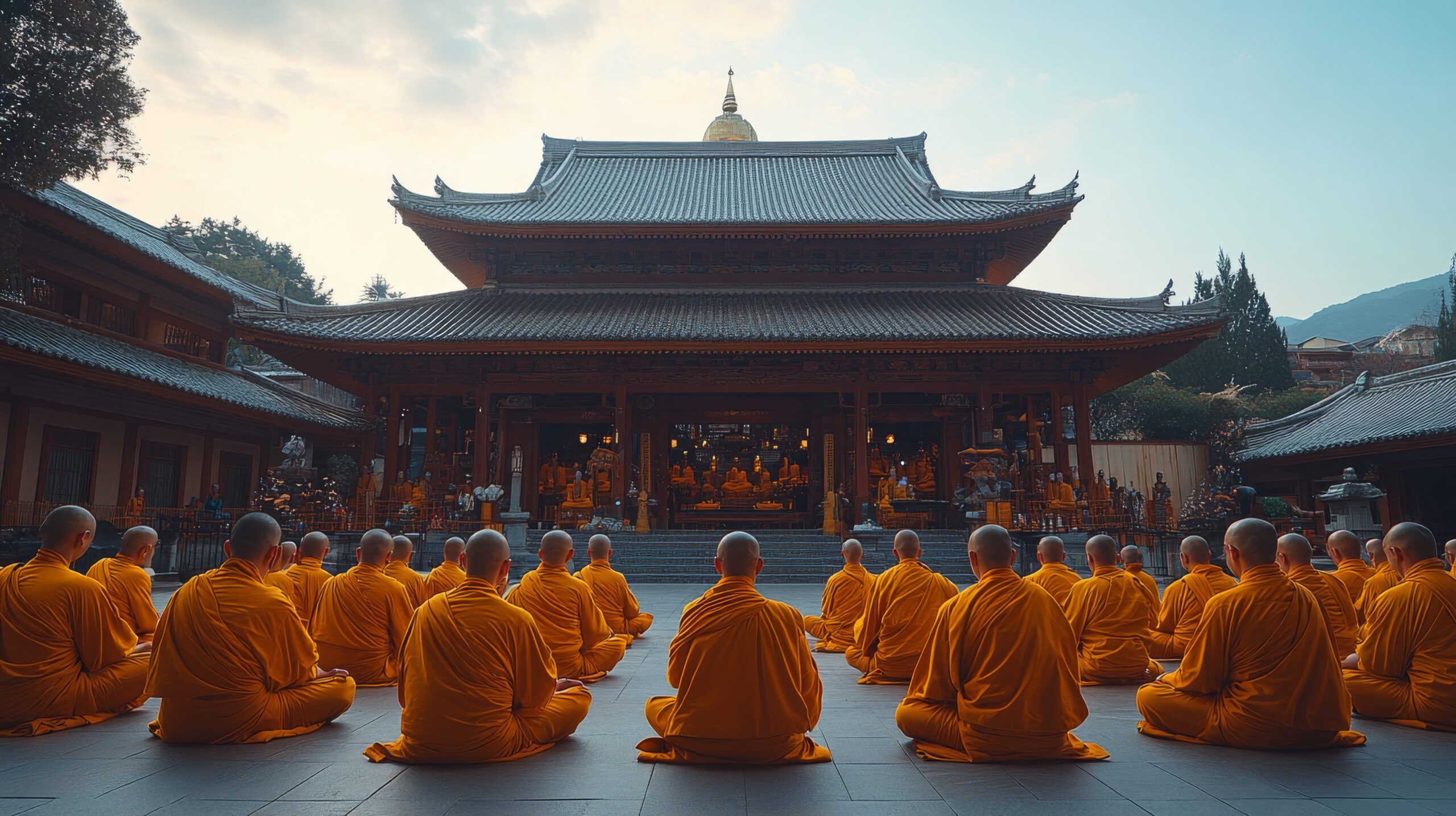
Practices like yoga or being mindful are not about stretching or relaxing; they help you know yourself better and connect with your inner self. This connection with yourself is key to being yourself and it helps you feel well in general. It is about building self-awareness and a connection that naturally nurtures your overall wellness.
Self-Actualization in Today’s World
In today’s world people are talking about self actualization in various ways. Some people say it is about finding your purpose or being true to yourself. It is about growing and becoming the version of yourself. People are realizing that success is not about money or a job title but about being happy and fulfilled.
We see this in the popularity of mindfulness and holistic health. People are practicing mindfulness and meditation to understand themselves and reduce stress. They are also doing yoga and other holistic practices to harmonize their mind, body and spirit.
The self improvement movement is very popular now. There are books, podcasts and workshops that help people find their passion and build confidence. Self actualization is a journey, not a destination. You do not reach a point where you say “I am done”. You keep growing and learning.
As the psychologist Carl Rogers wisely noted: “The good life is a process, not a state of being. It is a direction, not a destination.”
When we think of it this way we learn to appreciate the journey and the small steps we take every day.
Practical Steps: Approaching Self-Actualization in Daily Life
How can you nurture self-actualization in your everyday life? There’s no one-size-fits-all answer, but here are a few practical steps to guide you toward becoming your best self. These simple habits can help set you on the path of growth:
First practice is self reflection and awareness. Take a few minutes each day to think about yourself and what you want. Ask yourself questions like “What matters to me?”. When do I feel happy?”
Second, be yourself. Do not try to be someone else. Let go of what other people think and just be you. This will make you confident and happy.
Third, set goals that matter to you. Start by picturing where you’d like to land through self-actualization – then sketch out steps that move you forward. Each small win along the way deserves a quiet nod, maybe even a smile. When something new comes up, go ahead and give it a shot; hesitation doesn’t help. Growth shows up most when you step into unfamiliar territory without asking permission.
Fourth, keep learning. Stay curious. Read books, take classes. Learn from people who inspire you. This will help you grow and become a version of yourself.
Lastly, take care of your body and mind. Eat well, sleep and exercise. Practice. Meditation to reduce stress and be present.
Embracing the Journey (and How Masi Wellness Can Help)
Start anywhere, really – self realization moves like a path, never fixed. Growth shows up slowly, shaping who you are meant to be. These actions help, especially when you give yourself room to breathe. Patience ties it together. Live a happy and fulfilling life.
At Masi Wellness we are your partners in this evolution. We started Masi Wellness because we believe in healing. So we mix ideas with new ways of doing things. We help people at Masi Wellness through guidance and energy therapies. We also have mindfulness workshops and community circles that help people feel good. This helps people take care of their mind, body and spirit. When people have the help they can really change.
When you figure out what you want to do with your life you can make a difference in the world. If lots of people do this we can have a world where people’re kind and care about each other. It all starts with what you do. So you should try things and see what happens. Do not be afraid to be yourself. We are here to help you at Masi Wellness.
Masi Wellness, we believe wellness is a bridge to your truest self. Whether through guided meditation, holistic coaching, or community workshops, we’re here to support your journey – not with rigid formulas, but with space to breathe, grow, and be.
Ready to take the next step? Visit us to learn more.
References
- Maslow, A. H. (1943). A Theory of Human Motivation. Psychological Review, 50(4), 370–396.
https://psychclassics.yorku.ca/Maslow/motivation.htm - Simply Psychology – Maslow’s Hierarchy of Needs
https://www.simplypsychology.org/maslow.html - Aristotle on Eudaimonia (Stanford Encyclopedia of Philosophy)
https://plato.stanford.edu/entries/aristotle-ethics/#Eudaimonia - Mindful.org – What is Mindfulness?
https://www.mindful.org/what-is-mindfulness/