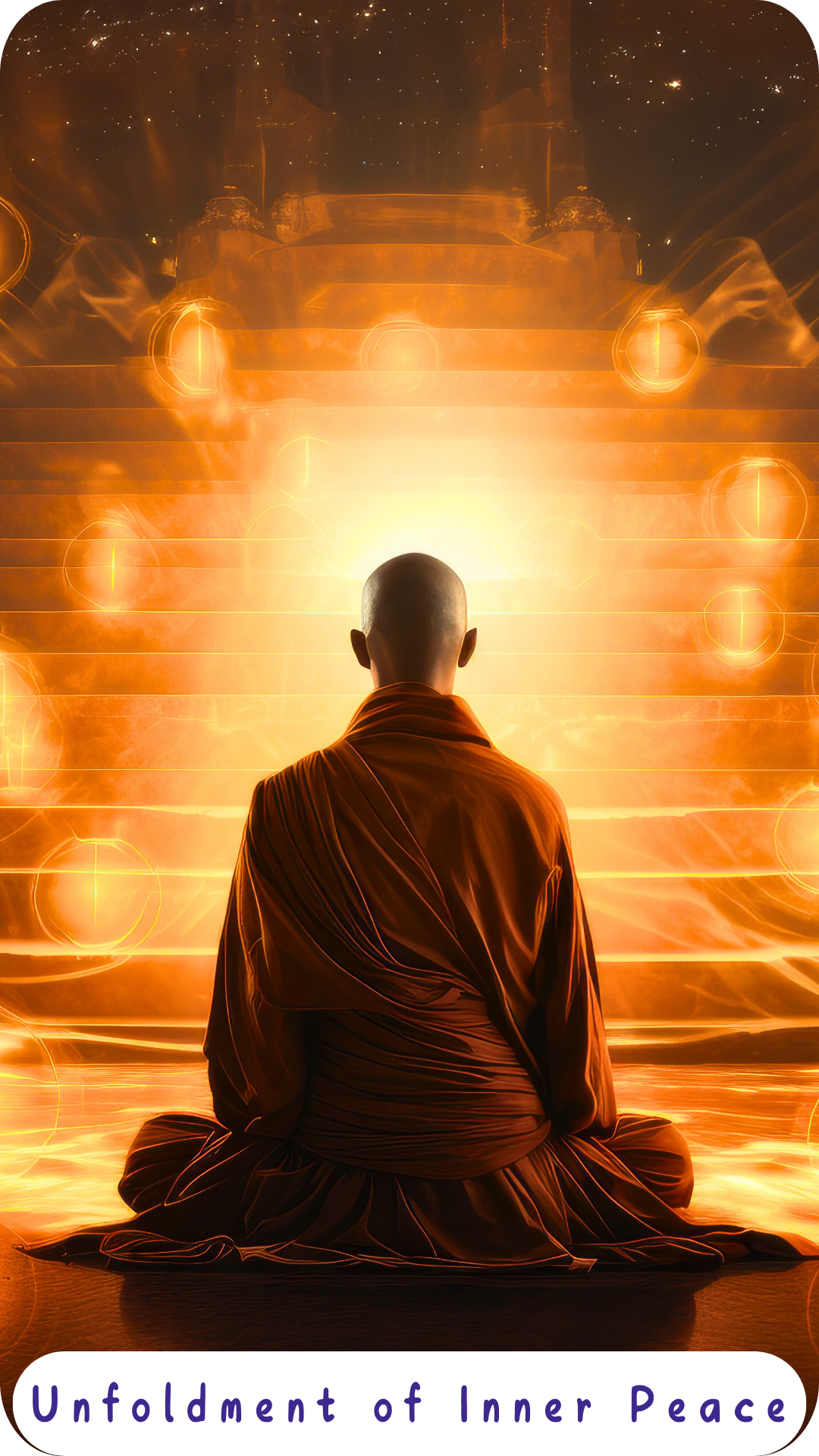
Did you know that in yoga classes, instructors have you close your eyes and vibe off the sound of “OM”? You see the symbol ॐ on jewelry, tattoos, and meditation rooms? OM is the Cosmic mantra and Spiritual anchor. It is one of the most powerful vibrations in the universe.
OM (also spelled as AUM) is not just a sound that you can hear with your ear. It is a vibration that you can feel with your heart, a symbol that you can understand with your mind and an experience that you can live with your entire being. OM is the primate sound; the first vibration and the source of all creation in the world. It is revered in all Eastern Religions: Hinduism, Buddhism and Jainism.
OM is often referred to as the “sound of the universe”. When we chant OM we think of it as sounding the universe, outside and within, from the beginning to the end of all manifestation, beyond all limits of time, space and matter.
The Three Sounds of AUM
This most sacred sound is often divided and expressed in three syllables, and is referred to as OM:
A (अ) – The symbol of creation and waking consciousness.
U (उ) – This symbol means Preservation. The state of U is a sleeping state of consciousness.
M (म) – This symbol means Liberation, deep sleep or Turiya (pure consciousness).
These sounds are also the three fundamental sounds embodied in the three major Hindu deities: Brahma (creator), Vishnu (preserver), and Shiva (destroyer).
There is also a fourth state called Turiya or consciousness (pure awareness) that is realized after M (the material body and mind) or in the silence or pause between thoughts. Turiya is the state of unity, peace and bliss that underlies all of existence.
Tracing the Origins of OM
1. OM in the Vedas and Upanishads
The symbol of OM appears in the scriptures of Hinduism, specifically in the Upanishads – the fundamental, spiritual texts that form the basis of the Hindu religion. The Mandukya Upanishad is one of these scriptures that particularly explore the meaning of OM.
It states:
“OM is an ever-present, ever-changeless word OM the universal word OM is the whole universe OM is the sum total of all that has been, that which is, and all that shall be.“
Another important point about OM is that it is not only the symbol of spiritual practice but also the Reality Itself, or the All.
2. OM in Patanjali’s Yoga Sutras
The use of OM occurs in the Yoga Sutras of Patanjali (circa 400 CE), where OM is described as the sound of Ishvara (the Divine). Patanjali frequently refers to OM and uses it as a focus for meditation. Throughout history OM has been a universal symbol of physical, mental and spiritual well-being and is used to purify the mind and lead the seeker to self-realization, a practice that yogis and seekers of spiritual awareness have been utilizing for thousands of years.
3. OM in Buddhism and Jainism
In order to construct a Mantra, one begins with the sound OM, then proceeds with further sounds. One such Mantra is the six syllable mantra “Om Mani Padme Hum”. This six syllable Mantra contains the whole of the enlightened compassionate mind of Buddhas and Bodhisattvas of the wisdom era and is one of the most revered Mantras in the Buddhist world. Known as the “Beacon of Samsara”, it is carried by Tibetan Buddhists on all their spiritual journeys all over the world.
Jainism: In Jainism, OM is the Pancha-Parameshti (the five supreme spiritual beings). Reciting OM is remembering and worship of the five Jivas who have achieved Jivan Keerthan (absolute liberation). It helps the self to achieve Jivan Keerthan as well.
The word Om has traveled centuries and gone through many different traditions and spiritual disciplines, yet it still is a word that carries great sanctity and power.
The Power of Sound: What Science Says About OM
From a spiritual perspective OM is considered the sound of the soul, the source of all things; but recent research into this ancient sound has revealed it to be equally beneficial for our physical and psychological well-being.
1. Brainwave Changes and Relaxation
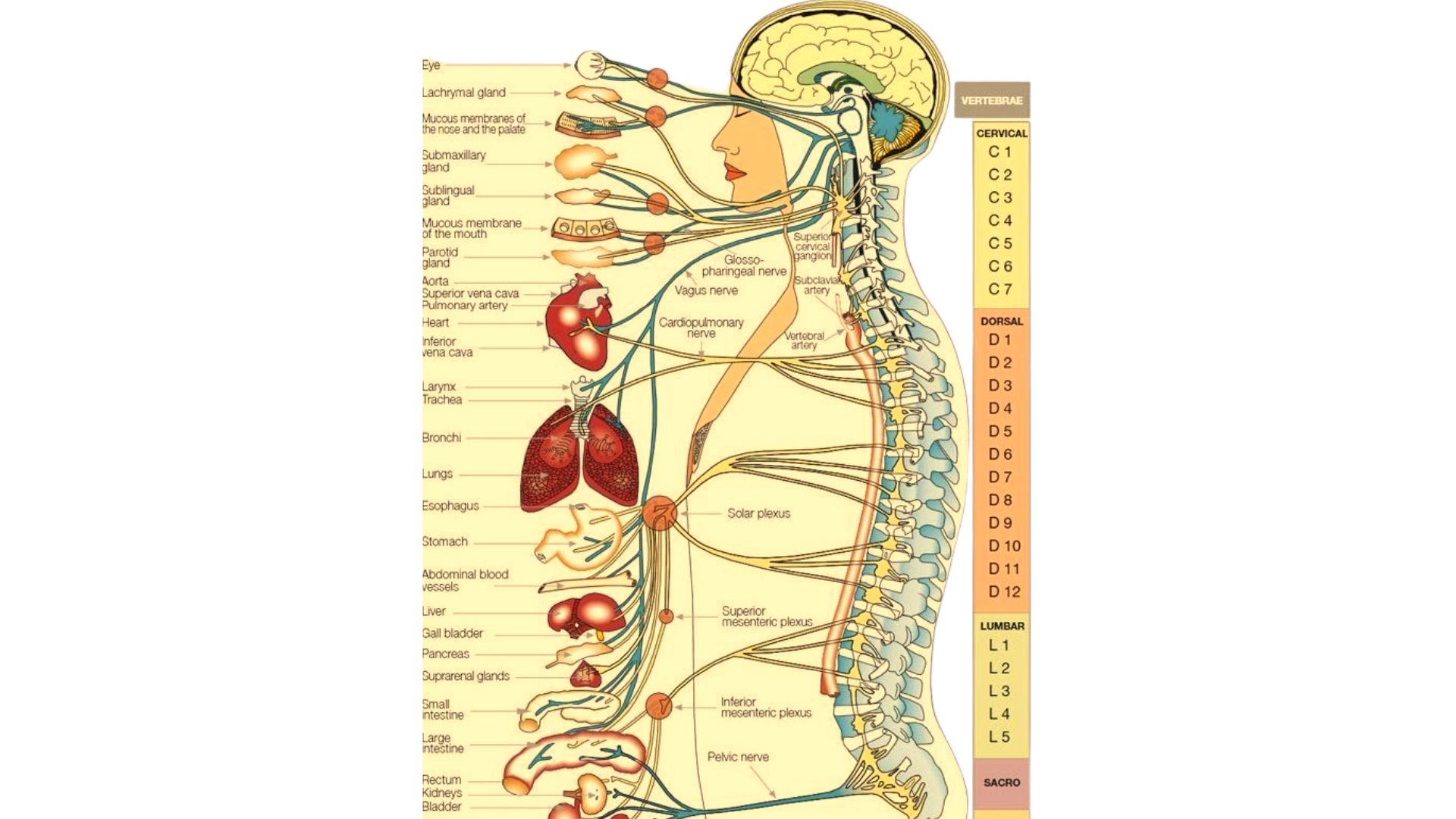
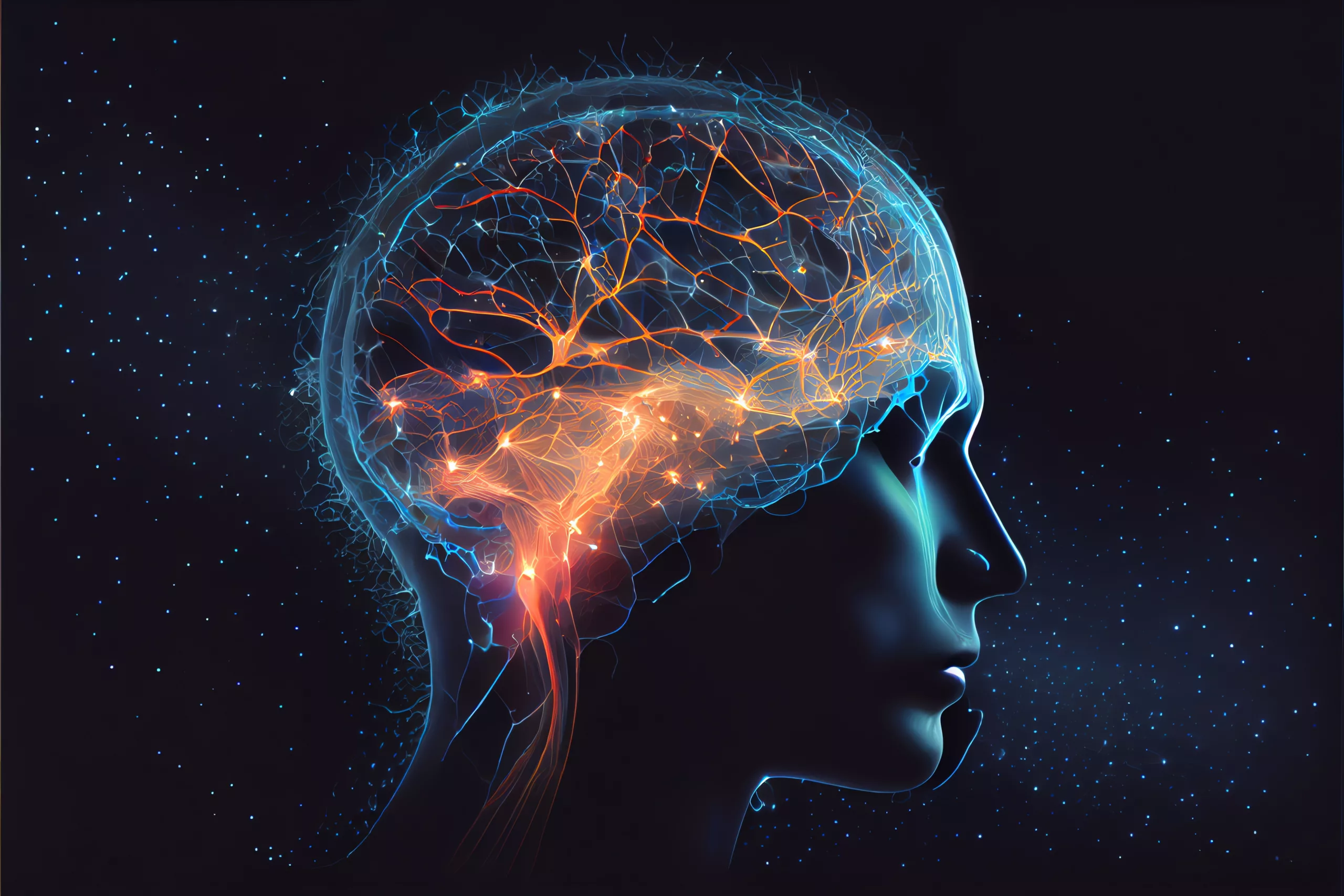
Repeating OM stimulates the vagus nerve which calms the nervous system. By using EEG brain wave analysis it has been shown that OM chanting lowers your brain wave activity from the Beta band (high alertness, active thinking) down into the Alpha (relaxed, closed eyes) and Theta (meditation, deep sleep) band resulting in a feeling of calmness, clarity and inner peace.
2. Vibrational Healing
In sound healing OM is played at around 432 Hz vibration which is believed to be in tune with the natural vibrations of the Earth and of the human body.
- Reduce anxiety and stress
- Lower blood pressure
- Improve focus and emotional regulation
Have you noticed the vibrational phenomena taking over our town? I have been integrating a host of vibrational effects and sound into my work here, and now there are a number of locations throughout town offering vibrational work and other forms of sound healing.
3. Stimulation of the Ajna Chakra
In yogic tradition, playing OM stimulates the Ajna Chakra or third eye position, which is located between the eyebrows. The third eye is the seat of intuition, enlightenment and higher states of consciousness. In modern neuroscience the Ajna Chakra is associated with the pineal gland, a small endocrine gland near the center of the brain that is responsible for regulating many important functions, including sleep and perception. For centuries yogis have focused on the third eye by playing OM to stimulate the pineal gland, a practice now backed by science.
Integrating OM into Daily Life
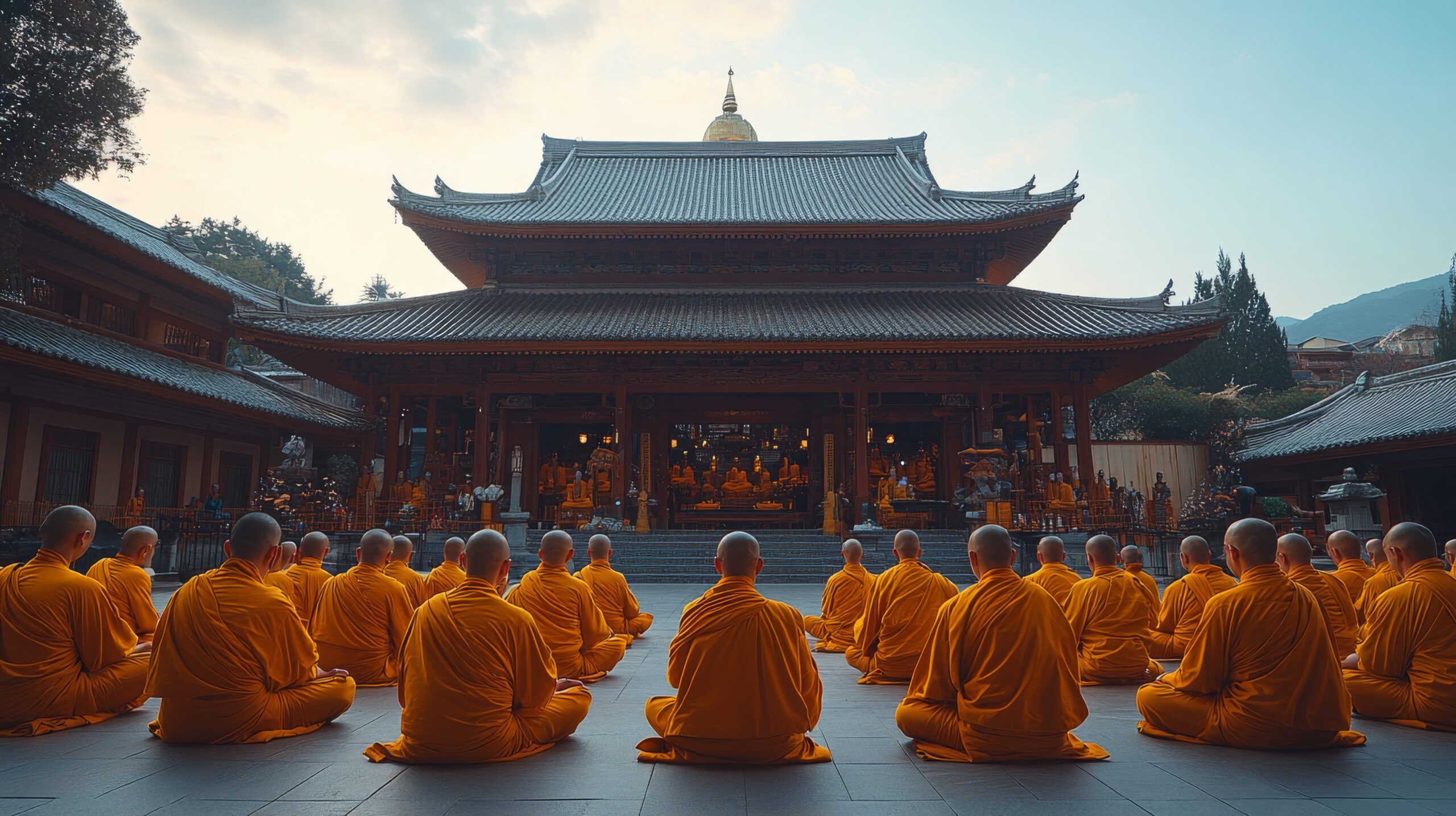
You don’t have to be a monk or yogi to enjoy the benefits of OM – it is a simple yet powerful practice that can open the heart of anyone, grounding and quieting in a noisy world.
Practical Ways to Chant OM:
- Create a Sacred Space: Find a quiet corner in your home where you won’t be disturbed. You can enhance the space with candles, cushions, or incense to create a calming atmosphere.
- Sit in Comfort: Sit in a comfortable position with your spine straight and your body relaxed.
- Breathe Mindfully: Take a few deep breaths to center yourself.
- Chant Slowly and Clearly: As you exhale, chant “OM” slowly, allowing the sound to arise from your belly and resonate through your body. Feel the vibration, not just in your throat but through your chest and head.
- Repeat and Reflect: Repeat the chant for a few minutes. Let the silence that follows each chant sink in – that’s where the magic lies.
- Practice Daily: Even 5 minutes a day can create a noticeable shift in mental clarity, emotional balance, and spiritual awareness.
The Deeper Meaning of OM
Our journey with OM is one of self-discovery. It is an exploration into our true nature, into the changeless core that is rarely visible under the clutter of our worries, various roles and responsibilities.
Life is busy and the mind is active, yet at the heart of all this movement there is a deep stillness – a stillness that is fundamental to our existence and reveals our connection to each other and to the whole cosmos.
In a single word – you – pause, listen, and connect.
OM in Modern Culture
Although the roots of OM go back centuries, the practice has a fresh, modern and universal appeal and is practiced in many countries all over the world. It is often incorporated in daily life, fashion and digital wellness.
1. Fashion and Jewelry
In the spiritual world OM is already a long time a symbol of inner calm and awareness. In recent times, the symbol is also finding its way into fashion and everyday life in many forms. As a symbol embroidery on a t-shirt, carved on a pendant, printed on yoga mats or cast in a small bar necklace.
2. Art and Design
The OM symbol is becoming increasingly popular in contemporary art and architecture. The OM symbol is highly symmetrical and has great depth and beauty making it a compelling symbol for those who use it for spiritual purposes as well as for aesthetic and decorative purposes in meditation rooms, homes and other locations. It is also being used for outdoor public art installations.
3. Digital Integration
Meditation and mindfulness activities that include OM chanting are now incorporated into many apps used daily, making it easy to access spiritual activities that were once viewed as mainstream. ‘Chill out’ rooms and spaces are now a standard offering in many gyms and yoga studios, as well as a variety of boutique studios offering ‘relaxation’ classes. Once considered off the beaten track, now they’re a click away.
Respecting the Roots
As OM becomes more and more a part of our everyday lives, we shouldn’t forget the true meaning and roots of this powerful mantra.
If OM is repeated merely out of ignorance of its authentic root, then it amounts to cultural appropriation and not appreciation, but we can repeat it with curiosity, respect and gratitude.
Commercialization of OM in Fashion and Branding: The use of OM in fashion and branding, although potentially harmless, threatens to diminish the importance of this most sacred symbol.
OM, the symbol of the world’s traditions, is a sound and symbol representing harmony, transcendence and wisdom throughout the centuries.
In Conclusion:
The sound of OM (AUM) is what we call a ‘sacred sound’ – it transcends any particular religion, culture or geography and connects us to the deepest level of Human Consciousness.
Whether you say it to calm your busy mind, at the start of a yoga class or to connect with a higher power OM offers an anchor, a still point in the turning world..
It is a sound of beginning, a sound of ending, and everything in between.
Ever noticed the sound and meaning of OM (AUM)? Next time you say or hear it pause for a moment and experience the depth of this powerful sound. You may be surprised at the realization that at our root we are whole, at peace and eternal never separate from the universe.
Let OM be your guide as a practical and tangible teaching for use in your everyday life, however its greatest teaching is in how to be present.
At Masi Wellness, we encourage you to explore the power of OM in your own practice. Whether you chant it aloud or simply listen to its resonance, allow yourself to connect with its ancient wisdom and experience its transformative potential. It’s a journey into the very fabric of existence, a sound that continues to echo through time, inviting us to listen to the stillness within.
References
Mandukya Upanishad –
https://www.upanishads.org.in/mandukya-upanishad
Patanjali’s Yoga Sutras – Sutra I.27 discusses OM as the sound of Ishvara:
https://www.sacred-texts.com/hin/yogasutr.htm
Kalyani, B. G., et al. “Neurohemodynamic correlates of ‘OM’ chanting: A pilot functional magnetic resonance imaging study.” International Journal of Yoga (2011).
https://www.ncbi.nlm.nih.gov/pmc/articles/PMC3099099/
Harne, B. P., & Hiwale, A. S. “EEG alpha, theta, and gamma frequency correlates of OM chanting.” International Journal of Yoga (2018).
https://pubmed.ncbi.nlm.nih.gov/29752573/