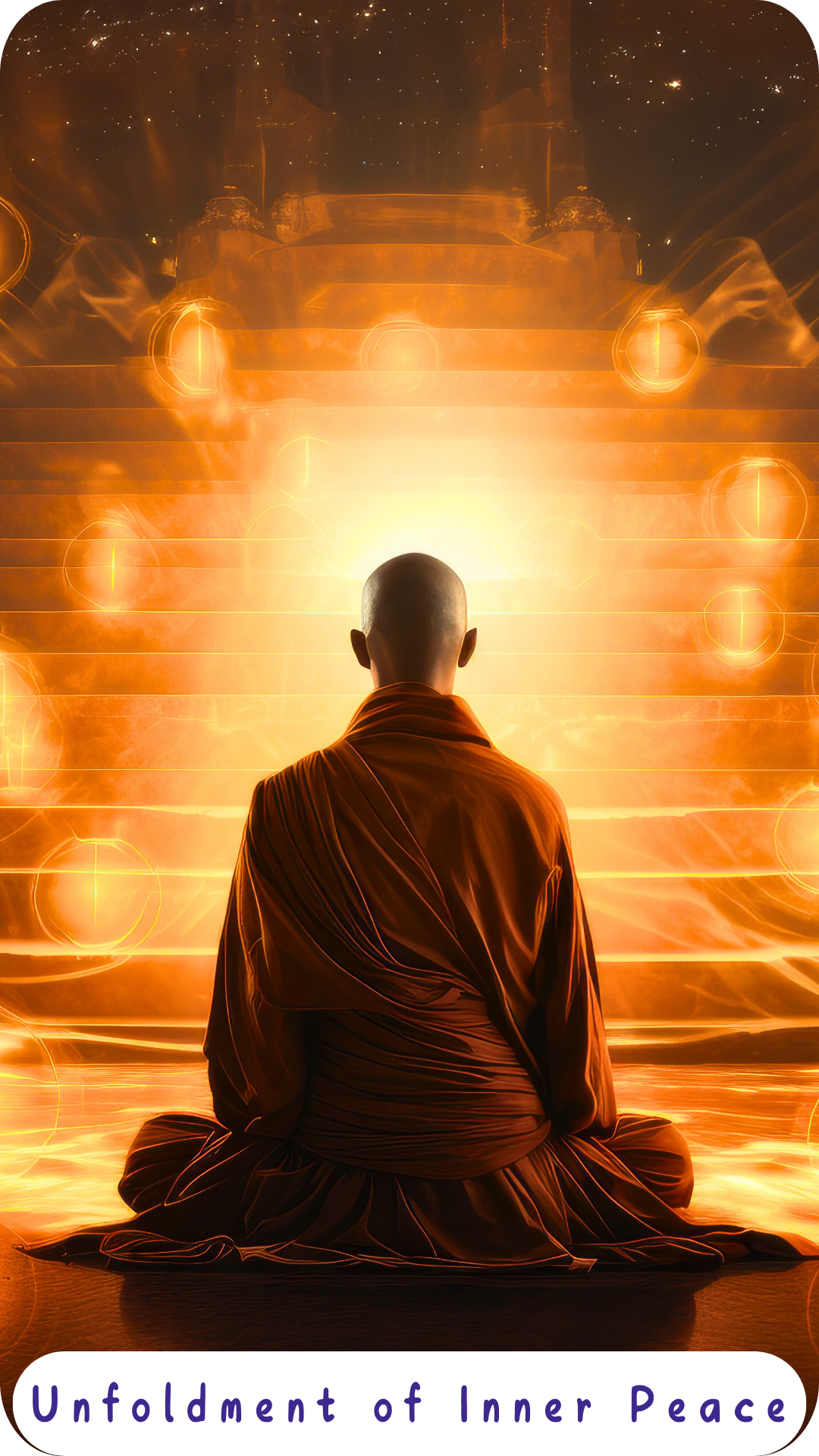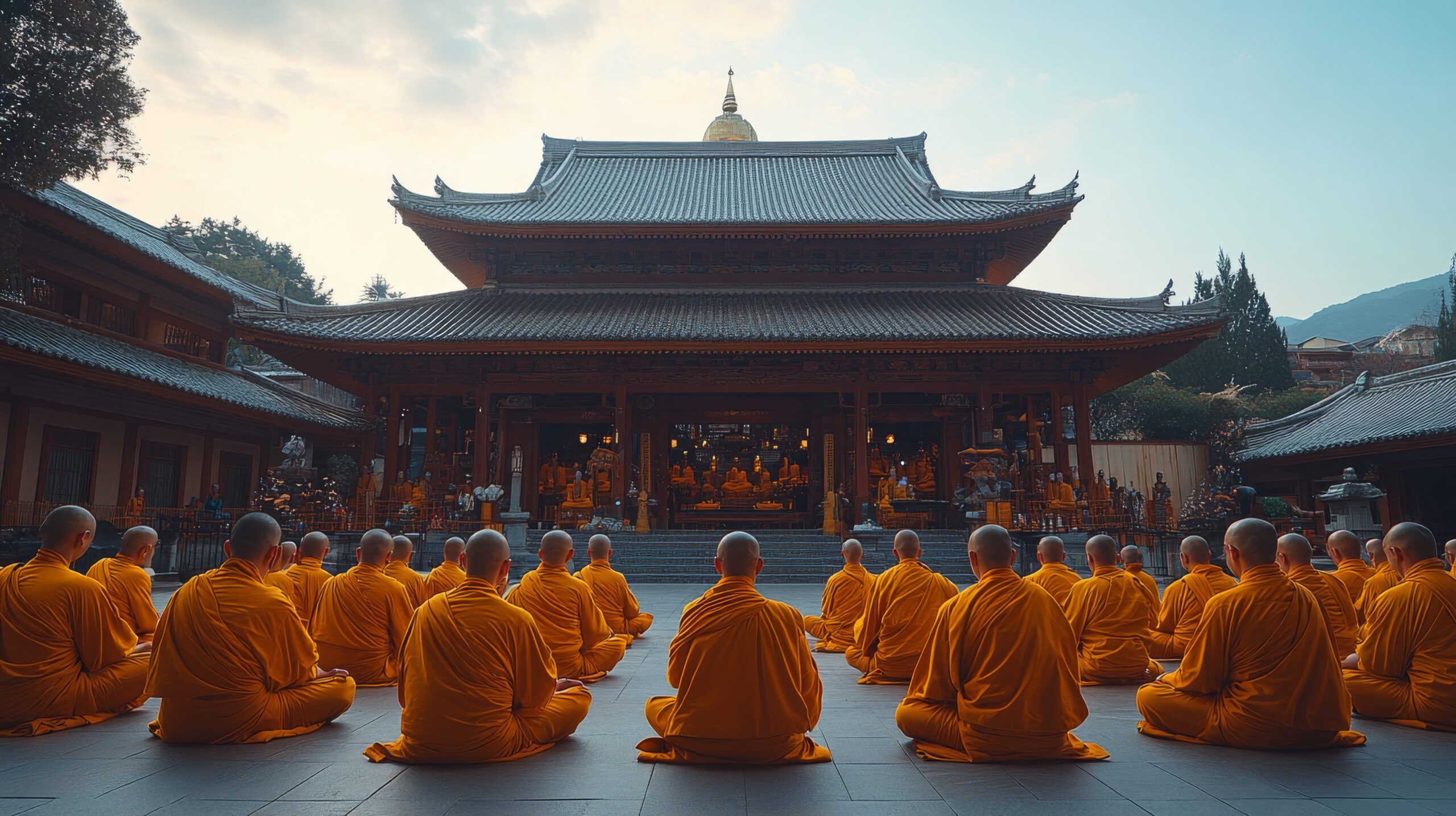
While people from many different faiths and cultures pray to a “higher power” at various times in their lives, prayer is not unique to religion. Prayer is something many humans do. It helps with our feelings and minds in ways. Prayer can help us feel better when we are emotional. It can also help us feel stressed and happier overall and also help many people look for answers, a sense of belonging, guidance and calmness.
They often turn to prayer to find these things.From a psychological perspective, prayer is an important aspect of human experience and even the non-religious and spiritually insecure persons of faith pray.
A Universal Form of Communication
Prayer is a form of communication with God or our own true Nature. Prayer can be spoken out loud or silently entertained. It can be written in a journal or expressed through image. Some people see prayer as something that only belongs to one religion. Like Christians, Muslims, Hindus, Buddhists or native people. Others think that prayer is something everyone does no matter what they believe. Prayer is simply talking to someone and all of these talks are part of a bigger conversation.
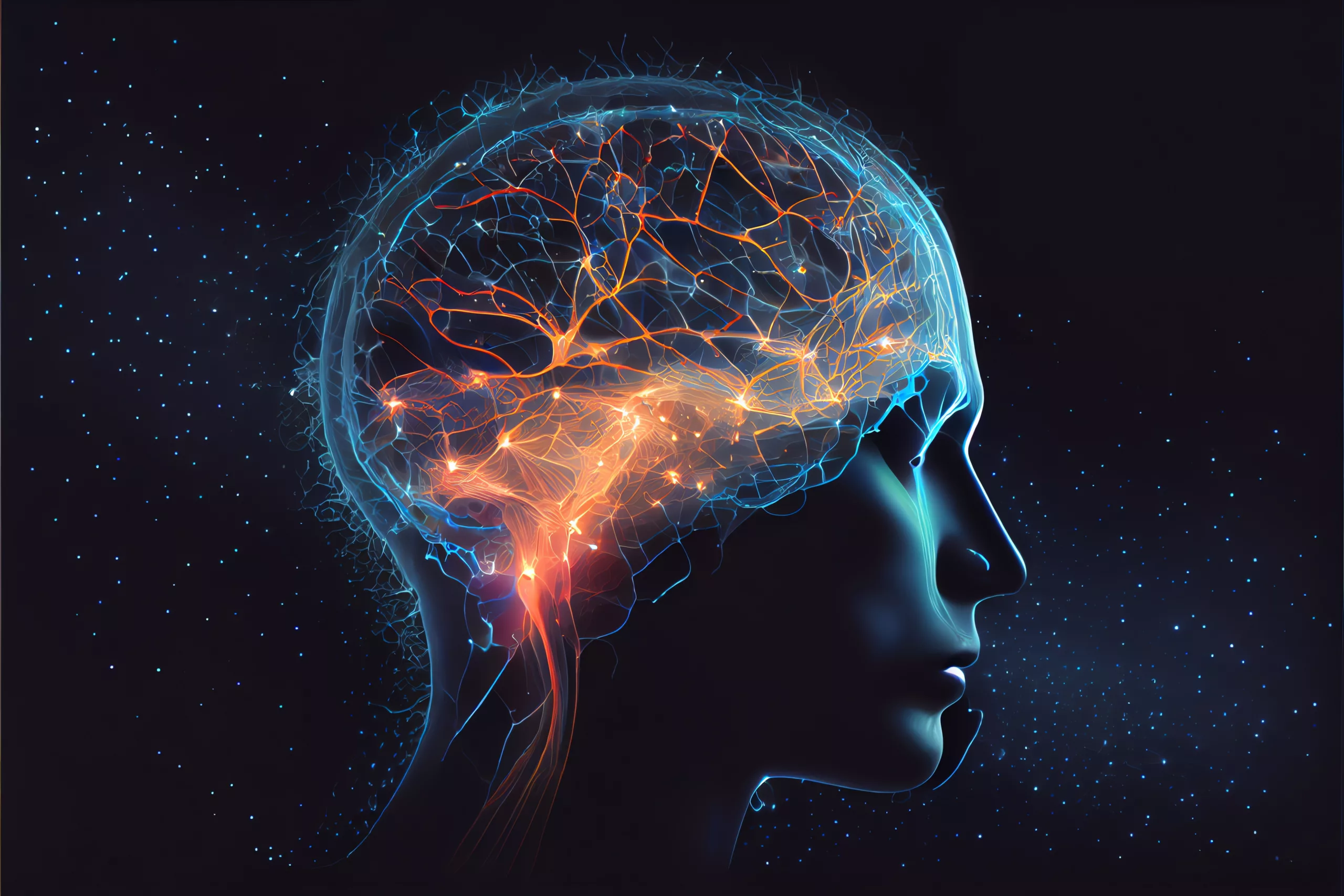
What Happens to the Brain During Prayer?
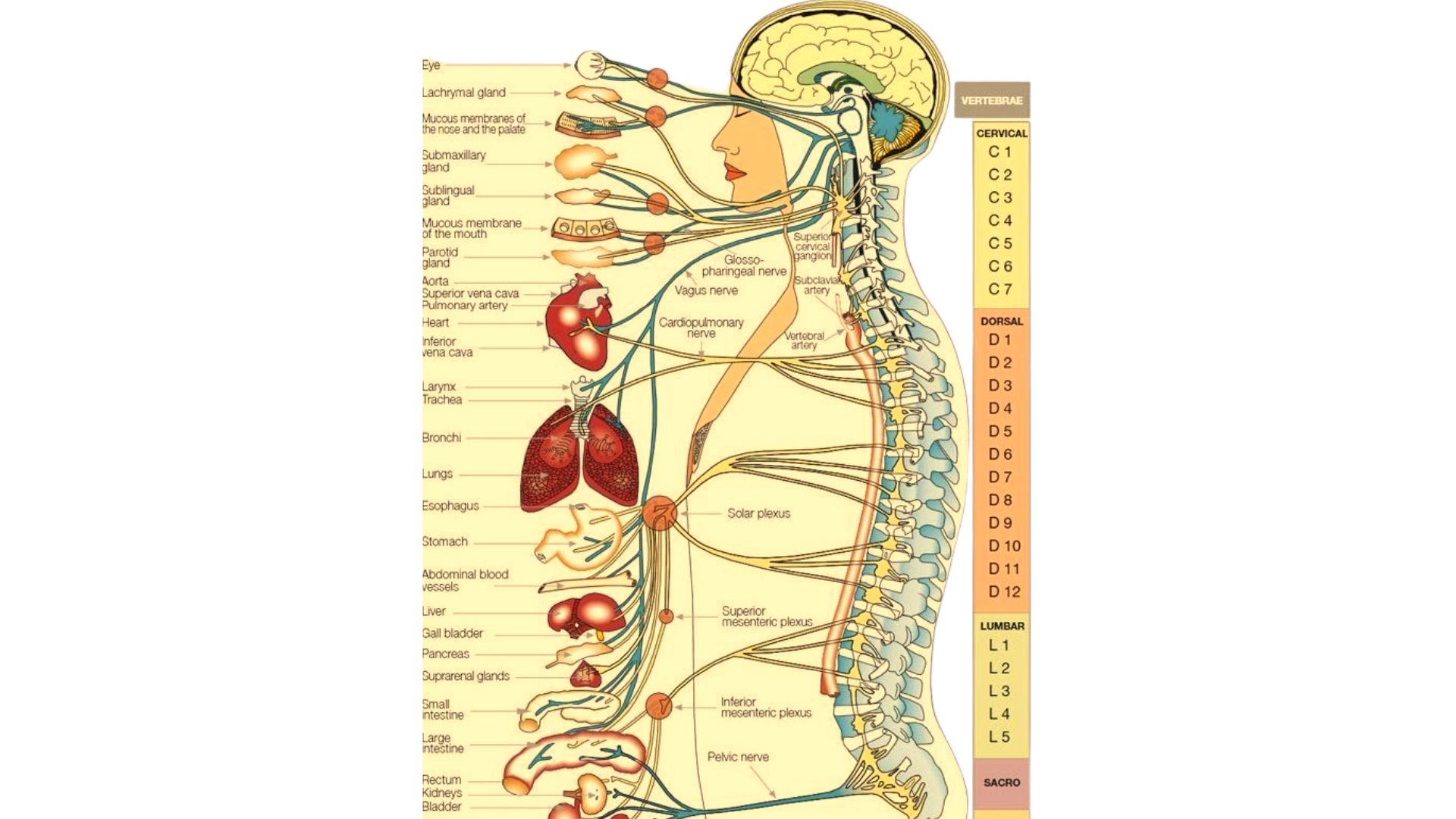
Prayer really does change your brain. People who believe in power have known this for a long time. Now neuro science experts are starting to understand how prayer and other spiritual practices can help. They can help you focus better, They can make you feel more calm and peaceful, They can make you feel more connected to others.
These practices, like being mindful, meditating and praying actually change your brain.
Here’s what current research suggests:
- Improved Spiritual Connection – Relax into Prayer : By practicing prayer, you can harness your body’s natural response to calm down and reduce stress hormones such as cortisol.
- New Study Reveals Enhanced Emotional Control: Regular prayer can strengthen a key part of the brain responsible for decision-making and emotional stability, a study has found.
- Increased Connection: People who pray a lot say they feel connected to something other than themselves and this helps them not feel lonely and it makes them care about other people more.
Prayer is similar to meditation. It helps people quiet their minds and think about the moment. This gives people a sense of peace inside. Prayer does this by helping people focus on what’s happening now and it calms their minds. The main thing is that prayer helps people feel more at peace.
Personal Reflections: Beyond the Science
While science is evolving, the spiritual information about the power of prayer can only be discovered by lived experience. We are in a unique moment in history, and we would like to hear from you – how has your life, your outlook, your hope been changed by prayer in the midst of uncertainty, or even chaos? How has praying helped you or others find hope and feel better when things are really tough?
A Moment of Comfort: After a day it can be really nice to just sit quietly and let your thoughts and feelings come out. This can be like having a talk with God, the universe or even just yourself. You can use this time to say thank you ask for help or let go of the emotions that have been building up inside you.
When life gets really busy we need a spot to calm down and think about how much we are loved. Prayer is like a place where we can be quiet and remember that we are loved. It is where we can listen for the voice of God when everything else is loud. Like a kid feels better when they hear a soothing song prayer is like a safe spot where we can rest. In this place God can sing us a gentle song of love. Prayer is, like a place where we can feel safe and remember that God loves us.
These prayers are meant to help us be stronger and more able to handle times.
Stories of Transformation
When told through personal experience / stories, thousands have found that prayer can change your life!
- A Lifeline in Crisis: Many people have shared with us how prayer has helped them through times of anxiety and stress when all seemed to be falling apart. These true stories of hope have become a lifeline for people in a seemingly collapsing world. Read them and be inspired.
- A Source of Peace: While chaos may be going on around us, our prayers can give us a sense of peace that enables us to deal with the day’s events. This little collection of prayers gives us a source of serenity in the midst of change.
- Rediscovering Purpose: For others, prayer served as a path back to purpose. Their road to recovery for others includes the powerful impact that prayer has had in shaping their journey.
- Connection Through Community: Participating in group prayers or spiritual gatherings also fosters a sense of belonging. These shared experiences offer emotional support and deepen bonds that extend beyond the spiritual realm.
These stories are not random events. They show how strong people can be. They prove that prayer is still important, to people. It helps them deal with times and find ways to move forward. Prayer is not something people only do out of habit. It is a way for people to find comfort and strength.
Personal Stories: The Transformative Power of Prayer
Spiritual and scientific perspectives on prayer take a strikingly similar journey. While science can describe the neural activity and the various hormones that are triggered when a person engages in prayer, this is not exactly the same as describing how prayer has meaning and brings relief to the person for whom it is offered.
Here are a few parallels between these perspectives:
Calmness: Prayer reduces stress markers in the body. This inhaler contains the blend of essential oils used in My Mindful product and has been designed to give you a feeling of inner calm. A subtle yet beautifully comforting scent.
Emotional Clarity: Repeatedly practicing activities that involve spiritual expression can actually create new connections in the brain between religious rituals and feelings of happiness. Allows for emotional processing and gain of emotional understanding.
Resilience Through Routine: Science has proved that repeating acts of devotion such as prayer can actually change your brain structure through neuroplasticity.
Making Prayer Meaningful
While most prayers are formalised within a religion, it is not necessary for prayer to be confined within these structures. Any belief system can be used to create meaningful and rewarding experiences of prayer.
Keep It Simple: While many would claim that saying formal prayers before meals is the best way to show gratitude, it can be attested that not even saying a word (or reading a very brief prayer) is nearly as effective or meaningful. Any attempt to formalize the process could end up being a hollow ritual or a distraction from what really matters
Create a ritual that feels special to you: You can try lighting a candle when you do this. Some people like to hold something that’s important to them when they are sitting quietly.
Explore different forms of prayers: Try Gratitude Prayer where you think about the things you’re thankful for. You can also try nan Intercessory Prayer, which’s when you pray for other people. Then there is Meditative Prayer, where you sit in silence and repeat a word or a feeling, to yourself.
Prayer as a Tool for Inner Peace
Prayer can take many forms but is a practice that has been part of the human experience since the dawnings of time. Some people pray as part of their spiritual practice and routine on a daily basis, while others incorporate elements of prayer into their mindfulness practice or use prayer sporadically as a heartfelt plea for help. Like many spiritual practices, prayer can be good for one’s mental health.
Prayer is the awareness that we are never alone and that God is with us at all times. It is a means of comfort, clarification and hope and is an essential aspect of our journey through life. It grounds us in the here and now and helps us to walk in the darkness with the light of hope and help.
At Masi Wellness, we encourage you to explore practices that resonate with your own beliefs and experiences. Prayer, in its many forms, can be a valuable tool in your journey towards greater well-being. It’s not about dogma or rigid rules, but about finding moments of connection and stillness that nourish your mind and spirit.
References
Newberg, A., & Waldman, M.R. How God Changes Your Brain. (Summarizes fMRI studies on prayer and meditation) – https://www.andrewnewberg.com/
National Institutes of Health – “The Neural Correlates of Religious and Nonreligious Belief” (PNAS study on brain activity during prayer/meditation) – https://www.pnas.org/doi/10.1073/pnas.0811717106
American Psychological Association – “The power of prayer and meditation for mental health” – https://www.apa.org/monitor/2021/03/cover-prayer-meditation
Mayo Clinic – “Prayer and spirituality: Can they help?” – https://www.mayoclinic.org/healthy-lifestyle/stress-management/in-depth/prayer/art-20045858
Harvard Medical School – “Meditation and the Relaxation Response” (basis for stress-reduction claims) – https://www.health.harvard.edu/mind-and-mood/mindfulness-meditation