The reason two people choose entirely different ways to handle the same situation because they observe it from different perspectives. The reason one person identifies danger in a situation while another person sees a chance for progress exists because people hold different belief systems.
The belief system functions as an invisible force which determines our life experiences and our methods for handling difficulties and our way of navigating existence. The system determines our self-assessment methods and our interactions with other people and our evaluation of personal capabilities.
The meaning of a belief system and its extensive power require explanation. Let us walk through this.
Understanding the Belief System
The definition of a belief extends beyond a single thought because people keep thinking that way. People build their inner belief system through specific thoughts which they accept as true from their conscious and unconscious thinking. People develop their internal belief system through the accumulation of beliefs which then turn into their permanent state. The internal belief system that people develop through their belief accumulation process becomes the base which they use to understand their life experiences.
Beliefs do not exist as natural human traits at birth. People receive their beliefs through the process of socialization. The human process of learning begins with birth, as people start to receive environmental signals about safety, value system, identity development, and danger identification. The individual develops firm beliefs through the process of absorbing these environmental signals.
Some beliefs serve as sources of strength for us. Some beliefs act as obstacles which stop our progress. The most potent beliefs that we hold become unknown to us.
Where Do These Beliefs Come From?
People develop their belief systems through life experience. People develop their belief systems through life experience.
The primary origins of human behavior are these two sources:
Family and early caregivers: Our first blueprint for love, safety, and identity.
Cultural and societal systems: The world defines success and failure and gender roles and happiness through its existing rules.
Educational systems and religious institutions: They share different perspectives on moral values and power structures and life objectives.
Personal experiences: A single event can leave a lasting imprint for better or worse.
Beliefs exist in multiple layers which include deep-rooted beliefs that people hold about deserving love through hard work. The human mind operates through concealed beliefs which people do not realize control their actions. The human mind operates through concealed beliefs which people do not realize control their actions.
How Beliefs Shape Decision Making
The mind operates effectively because it depends on beliefs to make fast decisions. The system prevents us from being overwhelmed but it leads to automatic behavior which bypasses conscious decision-making.
Our beliefs lead us to make decisions without us being aware of their influence. Here’s how:
1. They frame how we see the world
The world is viewed as unsafe which results in people selecting safe options because they trust their assessment of risk. People who encounter the same situation, which involves an international work offer, will respond in two distinct ways.
One person will perceive the situation as a daring exploration.
The other person believes the situation presents excessive danger, so he will remain at his current location.
The difference exists because of their belief systems.
2. They influence how we define success or failure
People who pursue their goals without stopping believe that their achievements will determine their value as human beings. People who believe they do not deserve good things will engage in self-sabotaging behavior. People establish their mental boundaries through their personal beliefs. They establish the maximum distance which people can travel while determining the moment when people should stop their efforts.
3. They affect emotional responses
Our emotional responses which include anger and fear and sadness and joy emerge from our belief-based understanding of situations.
A friend not replying to your message could mean:
(belief: I’m not important) “They’re ignoring me”
(belief: I’m secure in this connection) “They must be busy”
The same situation leads to different emotional results because of belief differences.
4. They impact relationships and communication
People who hold the belief that they must avoid conflict to gain affection will suppress their personal needs. The person who thinks vulnerability represents strength will likely express their thoughts through direct communication. Our beliefs determine our decisions to speak up or remain silent to forgive or to keep grudges or to leave a situation.
Tiny Belief Shifts That Lead to Big Life Changes
You don’t need to uproot your entire belief system in one go. Start small. Start where you are.
1. Notice the pattern
Is there an area of life where you feel stuck or triggered often? Ask yourself:
- What am I telling myself about this?
- Is that belief absolutely true?
Example:
You find yourself avoiding feedback.
Belief: “If I get criticised, it means I’m not good enough.”
New possibility: “Feedback helps me grow—it’s not a personal attack.”
2. Try micro-shifts in belief
You don’t have to jump from “I’m a failure” to “I’m amazing.”
Start with “I’m learning.”
Start with “I did my best today.”
Just like physical wellness thrives on small consistent habits, belief shifts thrive on gentle repetition.
3. Add small rituals to anchor your new beliefs
- Journaling: Write down a belief that’s holding you back. Rewrite it into something more balanced.
- Mindful pause: Ask yourself once a day—“Is this belief helping me or holding me?”
- Movement: Even a short walk can help reset a reactive mind and invite clarity.
4. Connect with others
We’re social beings. Beliefs get reinforced or softened through safe conversations, community, and reflection. Therapy, support groups, or even a wellness circle can help you see your patterns with kindness, not shame.
Conclusion: You Can Choose a New Story
The way we interpret our life experiences determines which paths we will select. The ancient stories which people tell now originate from their unaltered traditional beliefs. Your current self can discard any outdated belief which no longer matches your developing identity.
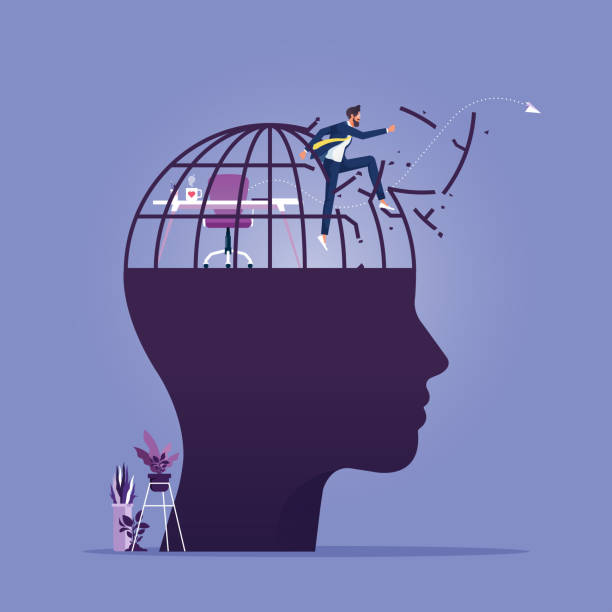
People can change their beliefs because they exist as flexible attributes. The things people believe exist as personal filters which they can choose to clean at any time. People achieve permanent wellness by developing new beliefs and maintaining their current activities.
People need to stop and evaluate their situation by asking themselves whether their beliefs belong to them and whether those beliefs show kindness and provide practical value.
People need to develop their inner compass through constant daily practice. People need to select present-moment awareness instead of feeling pressured and they should choose mental clarity instead of being influenced by past experiences.
Little actions combine to create total results. You deserve to experience positive feelings which go beyond the basic requirement of feeling normal.
At Masi Wellness, we gently guide you back to your own wisdom – through mindful resources, community practices, and space for self-reflection with sustainable support.