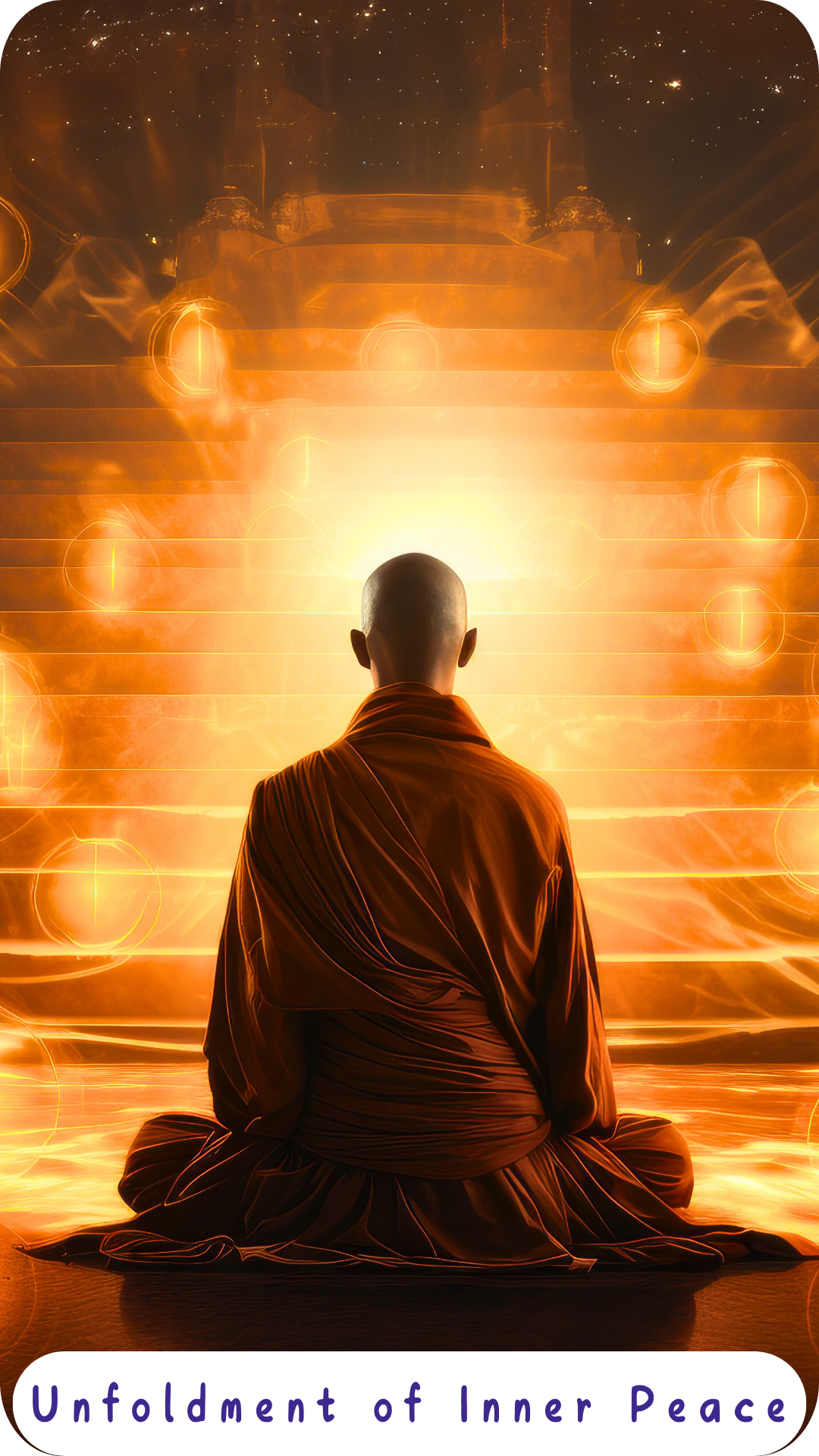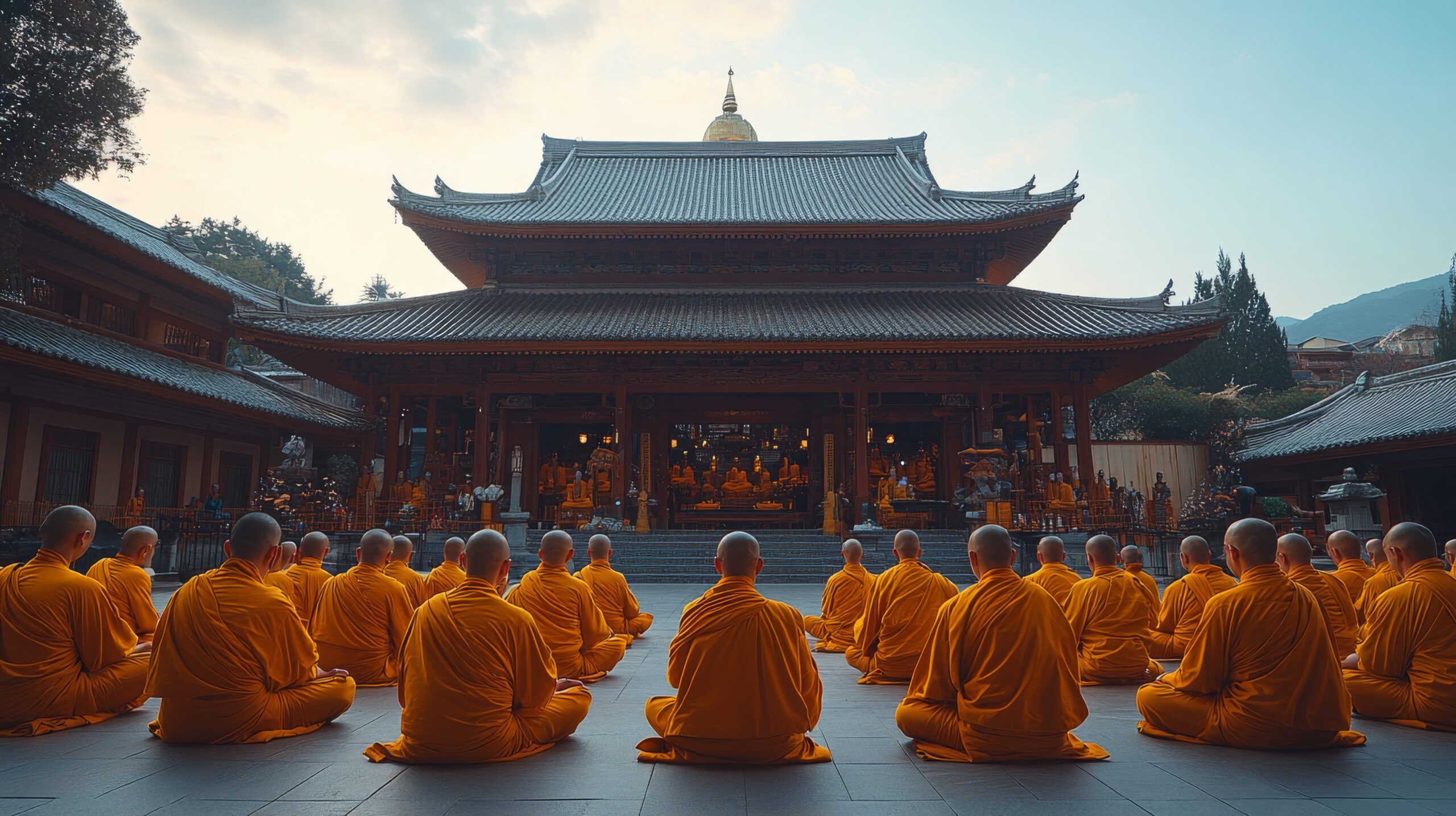
There is a difference between appearing spiritual and becoming inwardly clear.
A person can collect books, light incense, attend sacred spaces, speak softly, wear white, and still carry a storm inside. Another person may live very simply, say little, pray in private, clean their heart again and again, and slowly begin to shine with something real. That difference, I think, has a lot to do with purification.
Purification is one of those words people sometimes misunderstand. It can sound severe, moralistic, or overly ritualistic, as if spiritual life is mainly about avoiding stain. But in a deeper sense, purification is not about becoming perfect. It is about becoming less crowded within. Less ruled by confusion, bitterness, pride, restlessness, and all the little inner movements that make it hard to feel truth clearly.
Across religious and spiritual traditions, purification has appeared in many forms—washing, prayer, fasting, incense, silence, confession, disciplined conduct, sacred study. Encyclopaedia Britannica notes that purification rites are found in all known cultures and religions, ancient and modern, and are meant to restore or deepen purity in relation to the sacred and to social life. That by itself says something beautiful: human beings, in every age, have felt that contact with the sacred asks for some kind of inner and outer clearing.
And honestly, that makes sense.
Because spiritual life is not only about belief. It is about perception. It is about what kind of vessel we are becoming. If the mind is constantly agitated, if the heart is cluttered with resentment, if speech is careless, if life is filled with noise and impulse, then even sincere devotion can feel distant. Not absent, maybe, but muffled. Like music playing in another room.
This is why purification is needed.
Not because the soul is dirty in some shameful sense, but because life accumulates residue. Every hurt not processed. Every lie told to keep peace. Every craving fed without awareness. Every comparison, every hidden jealousy, every indulgence that leaves the mind heavier than before. These things do not always look dramatic from the outside, yet spiritually they create fog.
Purification clears fog.
The Bhagavad Gita offers a deeply inward view of this when it says, “there is nothing purifying here comparable to Knowledge,” and that one perfected through yoga realizes it in the heart in due time. I love that verse because it shifts purification away from performance and toward awakening. It suggests that true cleansing is not just external management. It is seeing rightly. Knowing rightly. Living in a way that makes illusion loosen its grip.
In Buddhist teaching too, purification is treated as something profoundly inward. In the Vatthasutta, the mind is compared to a dirty cloth, and the teaching rejects the idea that bathing alone can produce real purity; the real work is cleansing greed, ill will, hypocrisy, and other defilements of mind. That feels very relevant even now. We live in a time obsessed with surfaces. Purification asks for depth.
So the need for purification in spiritual life is really the need for alignment.
We want our prayers to mean something. We want meditation to become more than a technique. We want our values and our actual behavior to stop living in seperate rooms. We want love of the divine—however we understand the divine—to reach the nervous system, the speech, the habits, the gaze. Without purification, spirituality can remain sentimental. With purification, it begins to become embodied.
But how does one actually move toward it?
Usually not by force.
That is important, because many people turn purification into self-violence. They become harsh, rigid, performatively detached. They deny every desire, judge every emotion, and call it discipline. But a harsh spirit does not become pure by attacking itself. It usually becomes more fractured. Real purification has honesty in it, yes, but also gentleness. It is more like washing than punishing.
One way purification begins is through truthful self-observation.
This means watching your inner life without dramatizing it and without hiding from it. What repeatedly disturbs your peace? What do you cling to? What leaves a residue after you act on it? Where do you become false, even in subtle ways? What do you consume that darkens the mind? Spiritual life starts changing when we stop merely managing impressions and begin noticing patterns. Some of our suffering comes from what happened to us. Some of it also comes from what we keep feeding.
Another way is through care of speech.
Words either purify the inner life or cloud it. Gossip, exaggeration, cruelty, constant sarcasm, manipulative sweetness—these do something to the soul over time. So does silence used as punishment. Pure speech is not speech that is always nice; it is speech that is honest, measured, and clean in intention. When a person begins to speak with less poison, they often think with less poison too. Its all connected.
Then there is simplification.
This matters more than most people admit. The spiritual heart struggles in clutter. Not only physical clutter, though that can affect us, but emotional and sensory clutter too. Too much noise, too much content, too many half-formed desires, too many open loops in the mind. Simplifying does not mean rejecting the world. It means refusing unnecessary excess so that attention can return to what is essential. A quieter room helps. A quieter schedule helps. A quieter phone, maybe even more.
Prayer, meditation, and sacred remembrance are also central ways of purification. These practices gather the mind back from fragmentation. They teach us how to stay, how to listen, how to bring the wandering self home. The National Center for Complementary and Integrative Health notes that meditation has roots going back thousands of years and that mindfulness-based practices may help with anxiety, depression, and sleep, though they are not risk-free for everyone and some people do report difficult effects. That balanced view matters. Spiritual practice should be sincere, but also steady and wise. Not every intense experience is purification. Sometimes slow is safer. Sometimes guidance is needed.
Another path, often neglected, is service.
Service purifies because it interrupts self-obsession. It softens the ego’s constant demand to be centered, affirmed, noticed. When we serve quietly—without turning goodness into identity—we begin to experience a different kind of cleansing. The heart becomes less cramped. Compassion becomes less theoretical. We remember that spiritual life is not just ascent, but offering.
And then there is forgiveness and repentance, which are hard and holy in equal measure.
Repentance is not humiliation. It is the courage to say: this way of being is not worthy of who I want to become. Forgiveness is not denial of harm. It is the slow release of the inner knot that keeps pain circulating. Both are purifying because both remove what hardens the heart. Not instantly, not magically. But truly.
Over time, the effects of purification are subtle and unmistakable.
You become less reactive. Less fascinated by drama. More able to sit with yourself. Desires do not vanish, but they stop ruling the whole house. Your spiritual practice feels less like effortful display and more like intimacy. You start recognizing peace not as excitement, but as steadiness. A cleaner inner life brings a cleaner kind of joy.
Maybe thats the real point.
Purification is not about becoming otherworldly in a way that disconnects you from life. It is about becoming transparent enough that life, love, truth, and the sacred can pass through you with less distortion. It is about removing what makes the heart heavy and the mind cloudy. It is about becoming available.
And that work is rarely finished. We return to it again and again. A little more honesty. A little less pride. A little more silence. A little less noise. This is how the soul is washed in ordinary days.
Not all at once. But enough to begin.
Sources
- Encyclopaedia Britannica, Purification rite.
- Gita Supersite (IIT Kanpur), Bhagavad Gita 4.38.
- SuttaCentral, MN 7: Vatthasutta; and NCCIH, 8 Things to Know About Meditation and Mindfulness.