There is a particular kind of tiredness many people are carrying right now, and it does not always look dramatic from the outside.
It looks like answering messages while your chest feels tight. It looks like being grateful and exhausted in the same hour. It looks like scrolling for comfort and somehow ending up more restless than before. It looks like being surrounded by information, opinions, urgency, noise, and still feeling strangely untouched in the places where real comfort should live.
This is why emotional care matters so much in current times. Not as a luxury. Not as a soft extra for people who have “figured life out.” But as a real, daily necessity. Something like washing your face, drinking water, opening a window. Basic, human, needed.
We live in a period where emotional strain is rarely caused by only one thing. The World Health Organization describes mental health as a state of well-being that helps us cope with life, work, learn, and contribute to community, and it notes that mental health is shaped by a mix of individual, family, community, and structural factors. WHO also points out that protective factors include positive social interactions, emotional skills, safe neighborhoods, decent work, and strong community ties.
That matters, because it means emotional overwhelm is not always a sign that something is “wrong” with you. Sometimes it is a sign that you are responding honestly to a world that asks a lot. Too much, maybe. A world where uncertainty has become ordinary, where people are expected to stay available all the time, and where many are quietly trying to hold together finances, family pressures, grief, identity, purpose, and a mind that never seems to fully switch off.
Emotional care, then, is not about becoming unbothered. I dont think that’s even the goal. It is about becoming supported enough to stay human inside all this. To feel without collapsing. To rest without guilt. To remain tender without becoming fragile.
One of the deepest misunderstandings around emotional care is the idea that it begins and ends inside the individual. As if the answer is simply a better routine, a nicer candle, a few affirmations, and stronger discipline. Those things can help, yes. But they are not the whole picture. WHO’s work on social determinants of health makes this plain: health is shaped in large part by the conditions in which people are born, grow, work, live, and age, along with the wider economic and social forces shaping daily life. It specifically names things like education, food, housing, work, inequality, and even the digital transformation as forces that affect well-being and health equity.
So emotional care in current times must be honest enough to say this: some distress is personal, and some of it is environmental. Some of it comes from old wounds, and some comes from living in systems that keep people under pressure. When we forget that, we start blaming ourselves for symptoms that are also social.
Still, even in a difficult environment, care is possible. Real care. Grounded care.
Sometimes emotional care begins with noticing what your body has been trying to say for weeks. Maybe you are more irritable than usual. Maybe small things feel huge. Maybe silence feels uncomfortable because your nervous system has become attached to stimulation. Maybe you keep saying “I’m fine” because you truly do not have language for what you feel anymore. These are not failures. They are signals.
Current emotional care asks us to become fluent in signals again.
It may look like reducing exposure to constant emotional pollution. Not total withdrawal from the world, but wiser contact with it. There is a difference between staying informed and staying inflamed. There is a difference too between connection and digital crowding. The U.S. Surgeon General’s advisory on social connection warns that social isolation and loneliness are serious health risks, and cites evidence across 148 studies suggesting social connection increases the odds of survival by 50%. The same advisory also recommends that technology be intentionally designed to foster healthy dialogue and relationships, rather than features that drive division or unhealthy perceptions of self and relationships.
That lands deeply in the present moment. Because many people are not just emotionally tired, they are emotionally overexposed. Too much comparison. Too much tragedy arriving in real time. Too much performance mistaken for intimacy. Too much access to everyone, and not enough access to oneself.
So one method of emotional care now is gentle reduction. Fewer inputs. Slower mornings. More pauses between stimulus and response. Let your mind meet less noise. Let your heart hear its own voice again.
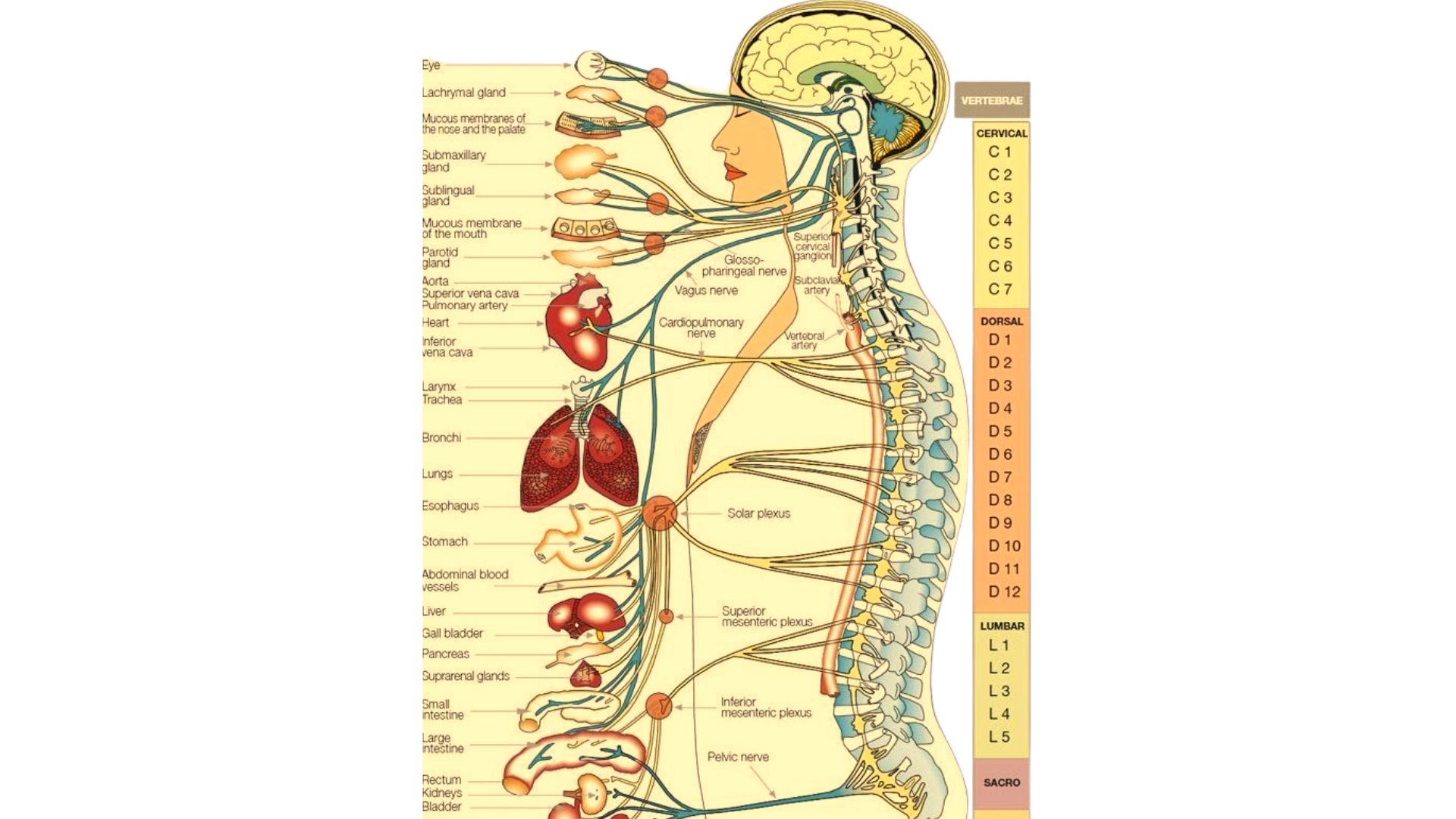
Another method is returning emotional care to the body. We often try to think our way out of what the body is carrying. But the body remembers overload before the intellect can explain it. A longer exhale. A short walk without your phone. Sitting in sunlight for ten minutes. Stretching in the kitchen. Resting your hand on your chest before sleep. Drinking something warm with full attention. These things seem almost too simple, but simple does not mean small. The nervous system responds to repetition, safety, rhythm. Little acts done regularly can begin to teach the body that not every moment is an emergency.
And then there is relational care, which I think is one of the most neglected forms of emotional care right now.
Many people have people around them, but not many places to be emotionally real. That is not the same thing. Emotional care needs at least one relationship where you do not have to edit your sadness into something easier for others to hold. One person, one circle, one space where the performance can drop. According to WHO, community-based mental health care and peer support are important because they are often more accessible and lead to better recovery outcomes than relying only on institutional models.
That means emotional care is not always solitary self-work. Sometimes it is being witnessed. Sometimes it is saying, “Actually, I’m not doing great,” and letting that sentence stay in the air long enough to become true. Not polished. Not inspirational. Just true.
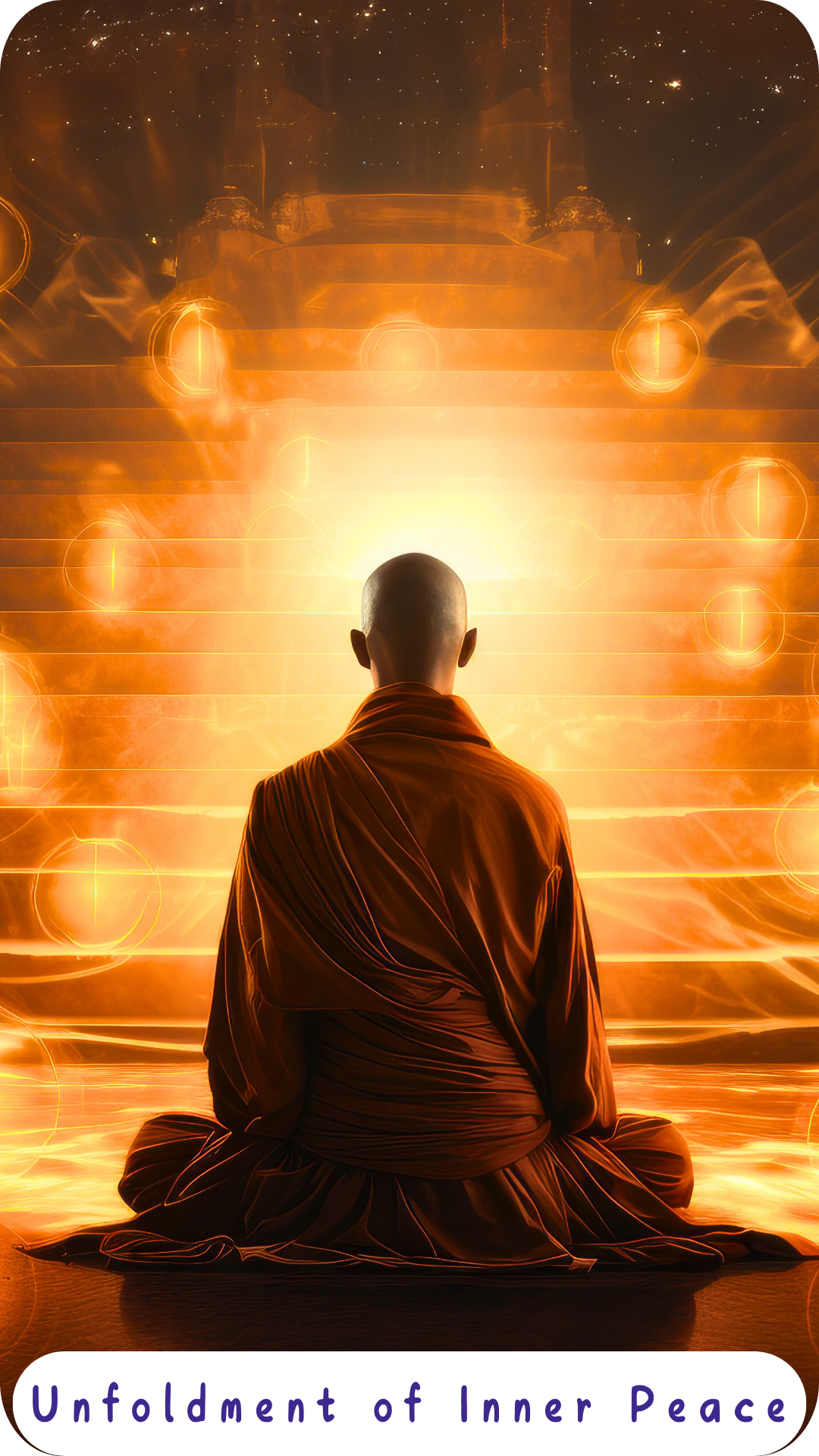
Spiritual practices matter here too, especially when they are used with sincerity and not as escape. Prayer, meditation, chanting, journaling, mindful breathing, sitting quietly at dawn, reading something sacred, even lighting a candle before bed — these do not erase pain, but they can soften the inner atmosphere around it. They remind us we are more than our speed, more than our productivity, more than the latest thing demanding our reaction.
The effects of emotional care are often subtle before they become visible.
You may not suddenly become joyful every day. Life does not work like that. But you may become less brittle. Less reactive. More able to tell the difference between urgency and importance. You may stop abandoning yourself so quickly. You may notice that rest no longer feels like weakness. You may find your relationships becoming more honest, because when people are emotionally cared for, they often speak more clearly and hurt others less carelessly.
And maybe the most beautiful effect is this: emotional care returns a person to themselves.
Not to an old version, not always. Sometimes to a newer, truer one. A self that knows how to pause. A self that no longer confuses suffering with depth. A self that understands tenderness is not childish, and steadiness is not coldness. A self that can live in these current times without letting the times fully define the soul.
That, to me, is the quiet promise of emotional care.
Not that the world will immediately calm down. It may not. But that within the noise, within the pressure, within the strange pace of modern life, you can still build an inner place that feels lived in, protected, and real.
And honestly, that is no small thing. It might be one of the most sacred skills of this age.
Sources
- World Health Organization, Mental health.
- World Health Organization, Social determinants of health.
- U.S. Surgeon General, Our Epidemic of Loneliness and Isolation: The Healing Effects of Social Connection and Community.