Mass Healing
There are seasons in human life when individual healing is not enough.
A person may go to therapy, pray, rest, journal, drink warm tea, take the long way home just to breathe a little easier. All of that matters. Deeply. But sometimes the wound is not only personal. Sometimes it lives in families, in neighborhoods, in a generation, in a community that has learned to carry too much for too long. In those moments, healing begins to ask for company.
That is where mass healing becomes important.
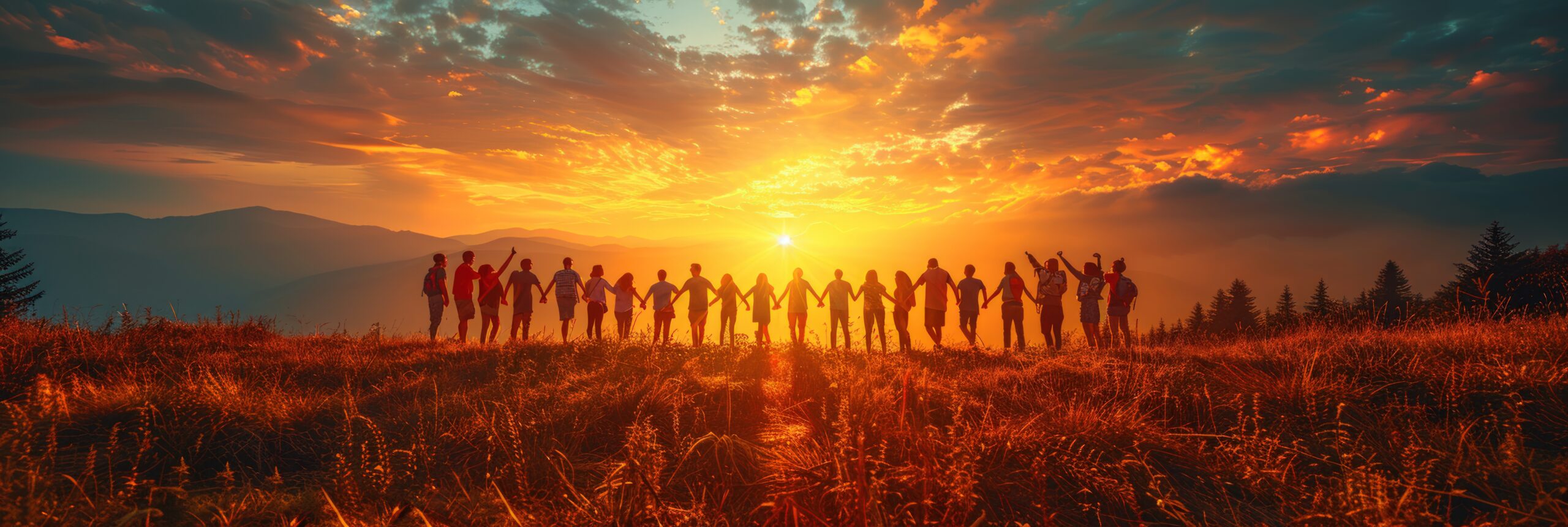
I’m using the phrase mass healing in a human sense here, not as some dramatic miracle on a stage. I mean the healing that happens when many people begin to recover together — emotionally, spiritually, socially, sometimes even culturally. It is the slow rebuilding of trust. The return of softness. The decision, made by more than one heart, that pain will not be the only inheritance passed forward.
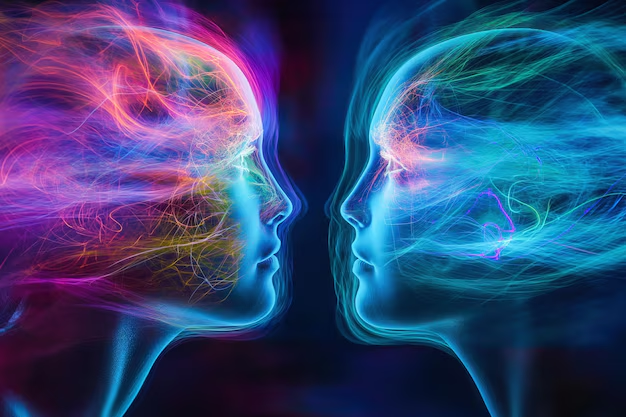
The importance of mass healing is actually easier to feel than to define. We know, almost instinctively, that suffering spreads. Fear spreads. Silence spreads too. But healing can also move in waves. A calm person changes a room. A supported family changes a home. A community that learns to care for its own pain with honesty and tenderness becomes less brittle, less ashamed, and more able to face life without breaking at every pressure point.
This matters because mental well-being is not shaped by one thing alone. The World Health Organization notes that mental health is influenced by individual, social, and structural factors, and that strong community ties and positive social interactions act as protective factors. WHO also emphasizes that community-based mental health care, peer support, and support in everyday settings are key parts of better recovery and well-being.
In simple words, people heal better when they do not feel alone.
That might sound obvious, but we live in a time that often rewards private coping and polished appearances. Many people are hurting in very public ways, yet trying to recover in secret. Mass healing gently disrupts that pattern. It says: your pain is not weird, not shameful, not yours alone to carry. And when enough people hear that at once, something begins to change. Shoulders drop. Language returns. Tears come. Even hope, slowly, shows up.
One of the most beautiful things about collective healing is that it does not require perfection. It only asks for sincerity.
The methods of mass healing are not always formal. Some happen in structured spaces, like group therapy, support circles, trauma-informed community programs, faith gatherings, and guided meditation events. Some happen in less official ways — neighbors cooking for a grieving family, women sitting together and finally speaking the truth, men learning to talk without hiding behind humor, young people creating art from anger instead of swallowing it. Healing is rarely one-size-fits-all, and maybe thats part of its wisdom.
Still, a few methods appear again and again because they answer very old human needs.
The first is shared witnessing. People need spaces where their pain can be seen without being judged, fixed too quickly, or turned into performance. When communities create room for storytelling, grief rituals, remembrance, prayer, or simple honest conversation, something sacred happens. The burden of pretending gets lighter. What was locked in the body starts to move.
The second is social support. Not the shallow kind, not “call me if you need anything” and then disappearing. Real support. Consistent check-ins. Presence. Meals. Listening. Help with children. Walking beside someone after loss. The American Psychiatric Association has pointed to positive social connections as strong support for mental well-being, and noted research showing that social support is linked with lower risk of depression and better coping under stress.
The third is trauma-informed community care. This means communities learning how trauma affects behavior, emotion, trust, and relationships, so they stop mistaking wounded responses for personal failure. In one NIH-hosted study on building trauma-resilient communities, community-based efforts that included training, outreach, group activities, and links to resources were associated with gains in help-seeking and a stronger sense of community connectedness.
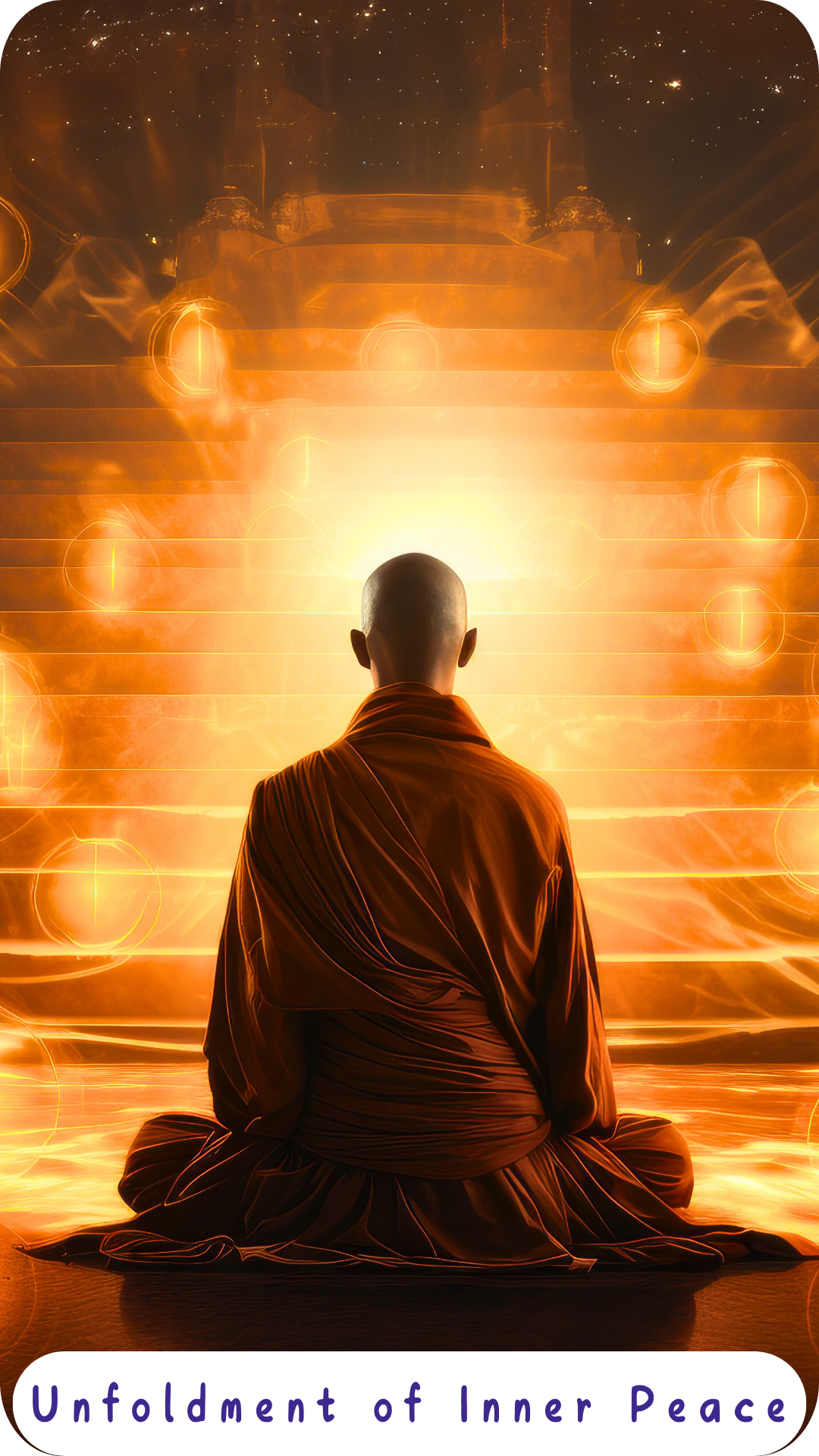
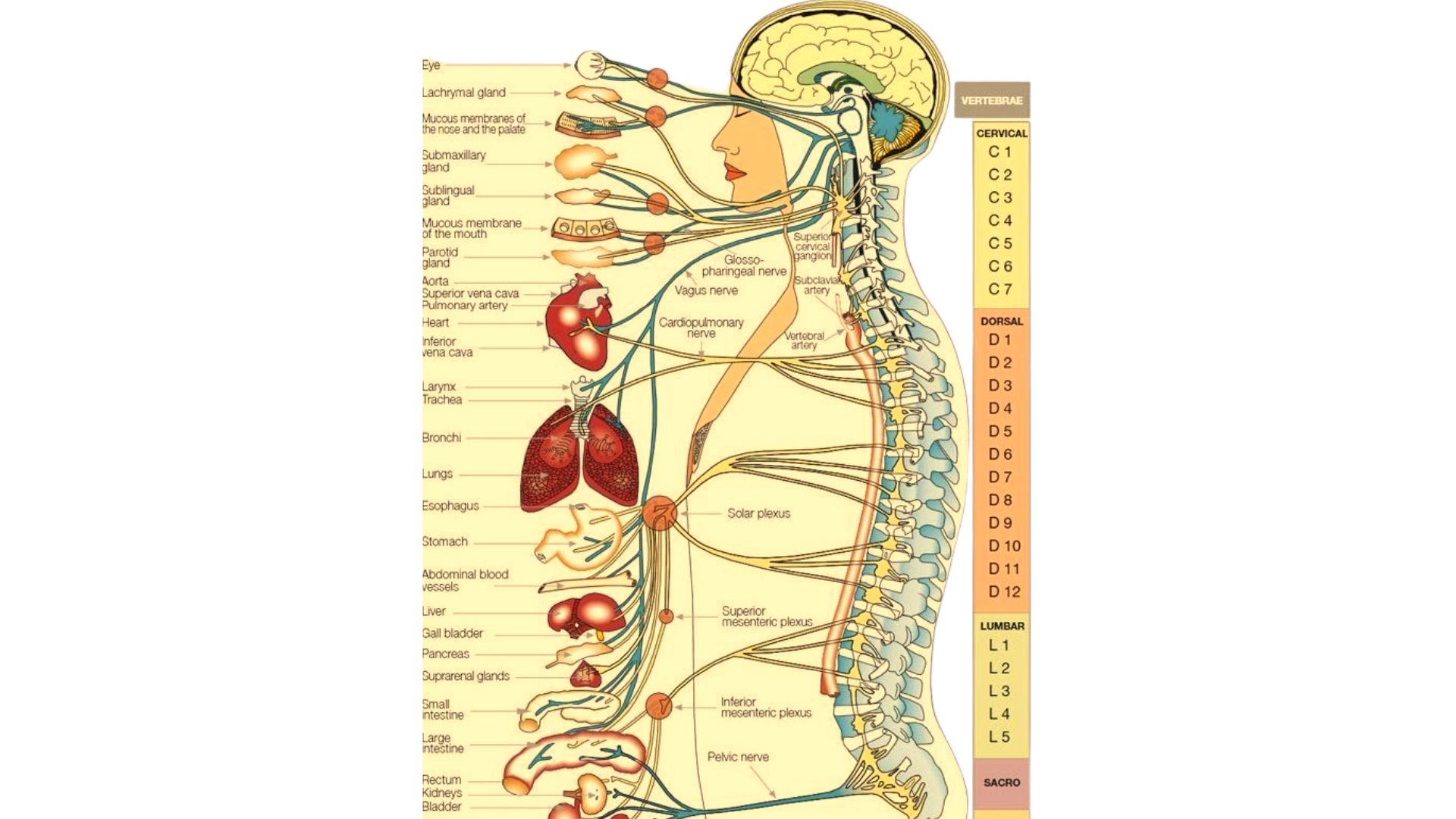
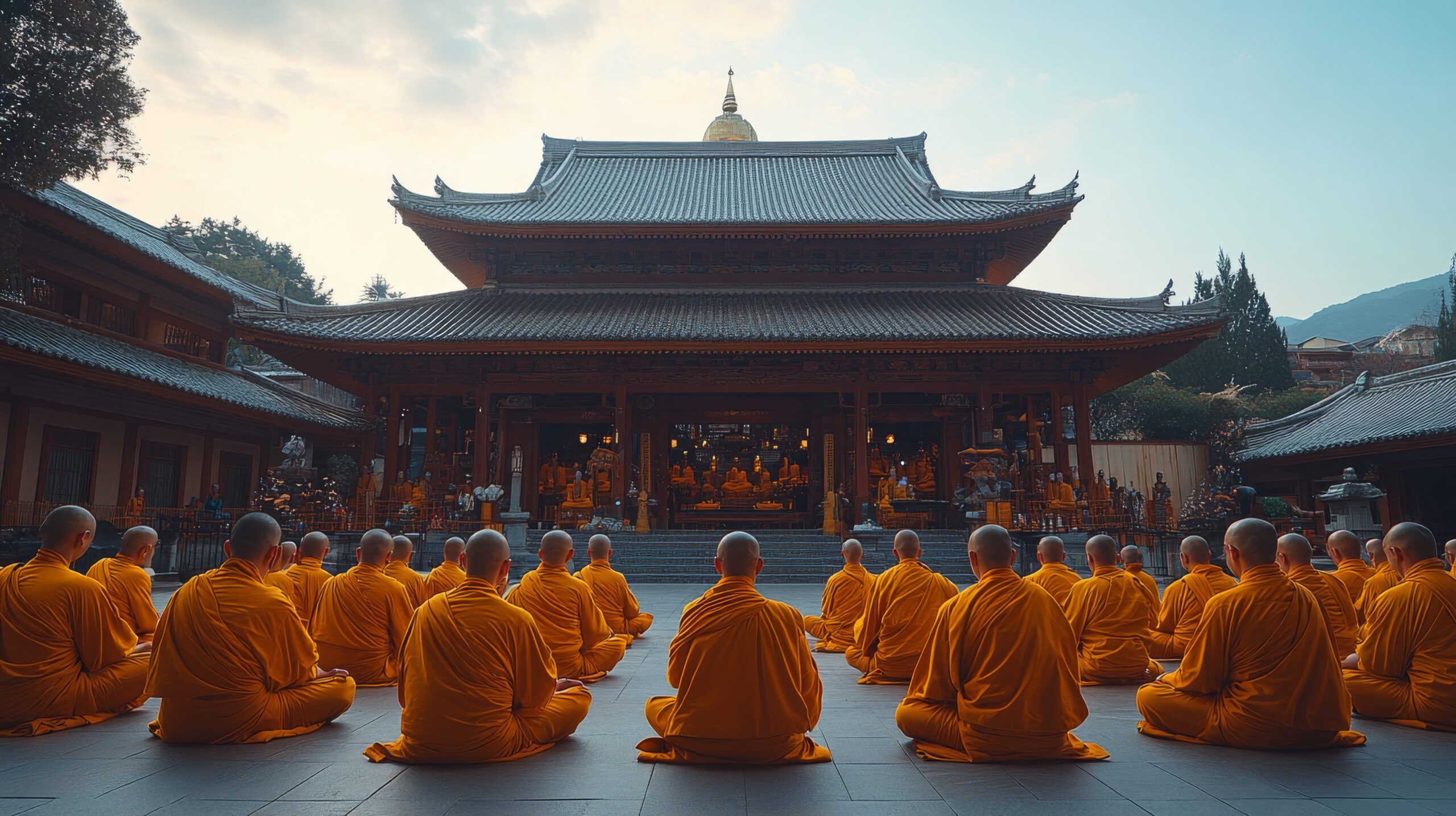
And then there are the quieter methods that often get overlooked: collective meditation, chanting, mindful breathing, prayer circles, movement, drumming, silence, singing, acts of service, and gatherings built around remembrance. These are not small things. They regulate the nervous system, create rhythm, restore belonging, and give the body a different story to live inside. Sometimes a person cannot think their way into healing. Sometimes they have to breathe with others first.
Of course, mass healing does not mean every person heals at the same pace. It does not erase trauma in one evening. It does not replace therapy, medical care, justice, or material support. A candlelight gathering cannot fix exploitation. A prayer circle cannot substitute for safety. A healing movement without truth can become denial dressed up as spirituality. So it has to be grounded. Honest. Willing to face what actually happened.
That honesty is part of the effect too.
When mass healing is real, one of its first effects is reduced isolation. People begin to understand that what they felt in private had a shared context. That realization can be deeply relieving. It helps loosen shame. Another effect is increased resilience — not in the “be stronger” sense, but in the more tender sense of becoming more supported, more resourced, more able to ask for help without collapsing into self-blame. Community-based healing efforts have been linked with greater external help-seeking and stronger feelings of connectedness, which are not small outcomes at all.
There are emotional effects too. Grief becomes speakable. Anger becomes clearer. Compassion grows, though not all at once. Sometimes communities that begin healing together also become more courageous. They start naming harm more directly. They protect each other better. They create new traditions. They stop normalizing emotional starvation.
Spiritually, mass healing can return people to a sense of meaning. Not always religion, not always certainty, but meaning. The feeling that pain can be transformed, that brokenness is not the end of the story, that tenderness is still possible after betrayal or loss. And honestly, that matters more than many people admit.
Because the opposite of healing is not only pain. It is numbness. Disconnection. The quiet belief that nothing will ever change.
Mass healing challenges that belief.
It reminds us that repair is relational. That communities can become medicine for one another. That what was fractured in togetherness may, in some cases, need togetherness to mend. Not perfectly. Not quickly. But truly.
Maybe that is why the idea feels so powerful. It is not just about many people getting better at the same time. It is about a shared turning. A movement away from survival as the only mode of living. A movement back toward dignity, support, breath, memory, and presence.
And perhaps this is the deepest effect of all: after real collective healing begins, people no longer look at suffering the same way. They stop asking, What is wrong with us? and start asking, What happened to us, and how do we walk each other home from here?
That question alone can change everything, slowly yes, but for real.
Sources
- World Health Organization. Mental health (updated October 8, 2025).
- American Psychiatric Association. Social Connections Key to Maintaining Mental Well-being (September 30, 2020).
- Gilmer, T. P., et al. Developing trauma resilient communities through community capacity-building (NIH/PMC, 2021).