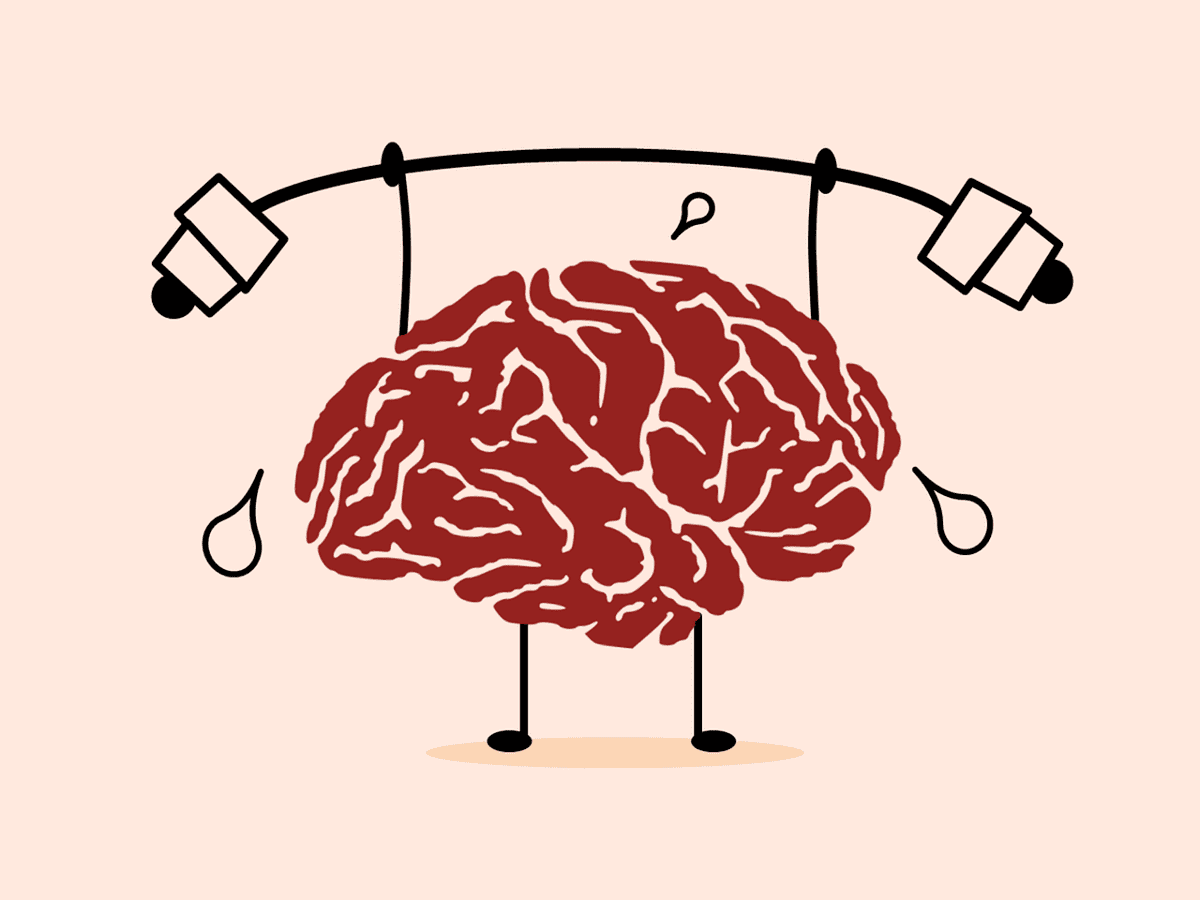
Mental health is a part of being healthy but people often do not think about it when it comes to men. Even though more people are talking about health now a lot of men still have a hard time talking about their feelings. This is because of what society expects from men. Because people often think badly of men who talk about their feelings. When men do not talk about their feelings they can feel sad and alone for a time and they might not get the help they need to feel better.
In this blog post we want to talk about the problems men have with mental health like feeling pressure to not show emotions and being afraid to go to therapy. We will also talk about how things, like meditation and yoga can help men feel better and we will share some things men can do every day to stay mentally strong. This is a conversation that comes from a place of kindness and understanding and we think it is time for men to start talking about their feelings without being afraid of what other people will think.
The Stigma Around Men’s Mental Health
Men’s mental health is often described as being clouded by a fog consisting of silent suffering. Many men feel that they have emotional burdens to bear but do so in silence due to feelings of fear of being judged or perceived as weak. We have grown up to understand that being a “real man” means to always be in control and strong. When dealing with emotions, you just need to shake it off. When it comes to being vulnerable, we are often told that it is not something that men do. Then, as a result of the stigma, men may not seek the help that they need. According to one survey from the UK, 40% of men have never spoken to anyone about their mental health. In fact, many men said they were embarrassed or worried about the stigma associated with them.
Many men feel that they need to go it alone and fear if they do speak about what is going on with them that it will burden the people in their lives. There is a saying that many men have heard before which is “Men receive their flowers at their funerals.” This means that even though many people care about men and their struggles, they do not take the time to express that care until it is too late.
It is sad to think that there is such a reality in life. It is sad to know that so many men keep their struggles to themselves; therefore, putting them at great risk of not only losing their lives to suicide but also losing the hope of ever achieving the life that they were meant to live. In fact, men account for 75% of all suicides in the United States. We are sharing these facts in an attempt to help create awareness about this issue and to provide encouragement to those that may be struggling.
Why does this stigma persist? A lot of it comes from traditional gender norms. Starting young, males often hear they must hide sadness or pain. At twelve, after missing a winning goal in soccer, I sobbed quietly on the sideline. An older family member stepped close, saying those common words – “Stop crying, act strong.” That moment stuck; emotions got tucked away, posture straightened without thought. Years pass before the weight settles in. A quiet pattern shapes how some learn to carry hurt without showing it.
“I’ve learned to handle it.” – This mindset shows up a lot among men, who tell themselves support isn’t necessary. Pushing through becomes the default, even when it weighs heavily. Alone feels normal after a while. Asking feels like breaking character. Silence gets mistaken for strength. What looks like resilience might really be isolation wearing a mask
It might seem like falling short. Saying you’re having a hard time could come across as showing weakness – something that doesn’t fit the picture of what it means to be male.
Staying silent feels easier than sharing what’s on your mind. It seems like opening up might upset someone else instead. Talking through emotions can appear too heavy for another person to handle. Going silent steps in when words feel like they could weigh people down. What if saying something only makes things harder for them? That thought keeps many voices low. The idea of causing concern pushes some to hold everything inside
Often held, these views miss the mark. Sadness, worry, or moments of falling apart do not signal weakness in a man – rather, they reveal his humanity.
The irony is that sharing struggles actually takes courage. And when men do open up, it’s often a relief. One Reddit user shared an anecdote. A friend of mine – the last person you’d expect to talk about emotions – told me recently that when he finally confided in his brother about his depression, “it felt like taking off a heavy armor I’d been wearing for years.” He discovered his brother had battled similar feelings. At that moment, both realized they were not alone or abnormal. The stigma had lost its power, at least between them.
The Challenge of Expressing Emotions
If you’ve been taught all your life to hide emotions, how do you begin to share them? This is the dilemma many men face. There’s an image to maintain – strong, stoic, unfazed. As a result, a lot of men struggle to even identify what they’re feeling, let alone express it. As psychiatrist Kevin Simon noted in a Harvard panel on masculinity, boys are often “trained societally to taper down” their feelings from a young age. By adulthood, “men tend not to seek services because they’re just not even fully aware of the emotions they’re having”. In other words, burying feelings becomes so habitual that men might not have the vocabulary or awareness to describe their inner turmoil.
Think about your own upbringing: I might have not saw the men in your family talk about feeling scared or sad. Anger was one of the few “allowed” emotions – it was more acceptable for a man to be mad than to be vulnerable. Frustration, stress, heartache would sometimes get translated into irritability or isolation. It’s like that for many. One man I spoke with described it this way: “It’s not that I didn’t feel upset or anxious – I did. I just didn’t know how to say it. It always came out as ‘I’m tired’ or nothing at all.”
The cost of this emotional suppression is high. It is like holding a breath for too long- sooner or later, the body forces release. Much like that pressure, emotions held too long will find their way out. Sometimes they emerge as sudden fear, dangerous choices, or sinking moods. For some men, drinking more or acting out may seem like relief. Yet behind those acts often lies unspoken hurt seeking expression. Surprisingly, males often turn to harmful actions when dealing with hidden emotional struggles. These choices act like silent relief – yet carry serious risks. While society rarely talks about male vulnerability, some respond by drinking too much or taking reckless chances instead.
So, how can men start to express what’s inside? A good first step is recognizing that having emotions is normal – yes, even the uncomfortable ones like fear, sadness, or insecurity. It can help to reframe what it means to be “strong.” Instead of strength meaning silent endurance, think of strength as the bravery to be honest.
One mental health supporter noted, when people feel acknowledged, progress often follows – yet access remains a barrier for many males seeking help. Opening up is not the issue; what matters more is having room to speak without judgment. It could look like reaching out to someone reliable, then asking, “I’ve been carrying something heavy – mind if we chat?”
Perhaps start by recording emotions on paper, growing more comfortable through practice prior to speaking about them. It could even be speaking to a group of other men with similar struggles, where the usual macho posturing is left at the door. More on these options in a bit. The key is to start somewhere, because voicing even a little of that burden can be profoundly liberating.
The Role of Therapy (Including Spiritual or Alternative Approaches)
Finding support: A man being comforted in a group therapy session. Opening up in a trusted setting – whether one-on-one or a group – can be a game-changer for men’s mental health. For a lot of men, the idea of therapy is intimidating. Some imagine lying on a couch while a bespectacled analyst says “Mm-hmm” – and that can feel awkward or even alien. Others worry that needing therapy means they’ve “failed” to handle their problems alone. But therapy isn’t a last resort for the weak; it’s a smart tool for anyone who wants to get better.
When an arm breaks, most people go straight to a doctor. Yet when emotions ache or thoughts spiral, few seek support right away. A therapist handles invisible injuries just like medical pros fix bones. Some wait years before trying sessions – then wonder why they waited so long. Hurting inside isn’t weaker than bleeding outside. Talking helps, even if that idea once felt strange.
Once Olympic swimmer Michael Phelps began speaking honestly about depression he had carried for years. From then on, breathing felt lighter. Life stopped being something to push through. He noticed joy returning slowly, like light after a long dark. A man known for winning races discovered healing by simply saying what hurt him. Strength showed up not in silence but in words shared. Anyone might face storms inside their mind – fame offers no shield. Asking for support turns out to be smart, never small.
Therapy & Healing for Men
Traditional one-on-one therapy offers a safe space to share feelings and learn coping skills. Many men find it healing simply to be heard without judgment. As one man said, “Just naming my fears took away half their power.”
Beyond traditional therapy, other approaches can help:
- Group Therapy – Sharing with men who understand reduces isolation.
- Spiritual Counseling – Faith leaders or practices (prayer, scripture) can offer meaning and hope.
- Meditation & Mindfulness – Science-backed tools to reduce stress and increase self-awareness.
- Holistic Therapies – Yoga, martial arts, or creative outlets can release emotions in different ways.
Seeking help isn’t a one-time fix – even small steps matter. Less than half of men with mental health struggles get treatment, but those who do often say it changed their lives. You don’t have to carry the load alone. Find what works for you.
Lifestyle Practices to Support Mental Wellness
Feeling good often comes down to daily habits. When the body feels strong, the mind tends to follow along. Picture each choice like fuel for your inner balance – similar to eating right or staying active. Small actions add up, especially when done regularly by anyone willing to try:
Physical Exercise – Walks, rides, or dancing – any motion lifts spirits by unlocking natural brain chemicals. Heavy sweating isn’t required. A handful of weekly sessions, each half an hour long, does the job well. Mix movement with company once in a while – games with friends, shared laps at the gym – for deeper rewards.
Sufficient Sleep – Rest matters more than most think. When nights are short, emotions fray like worn thread. Try settling at the same hour each evening. Screens off an hour before help. A book or slow breaths can guide the mind quiet. Each full night clears mental clutter left behind. Stress finds less grip after true downtime.
Healthy Diet & Moderate Alcohol – Food shapes how you feel each day. When meals include greens, clean meats, and full kernels of grain, your body stays steady. Not too much drinking – too many drinks pull thoughts downward. Water matters just as much. Balance keeps both mind and hours on track.
Connection & Communication – Alone doesn’t always mean lonely – yet reaching out still helps. Sometimes it’s a quick chat, sometimes just showing up at a gathering. What sticks is being part of something, however small. A moment of real talk, a familiar face, a routine coffee run – these hold weight. Belonging isn’t loud; it shows up quietly, in glances, gestures, presence.
Mindfulness & Relaxation – Start by just sitting still. Moments of calm clear the noise that builds up inside. Instead of pushing through stress, pause – breathe slowly or step outside under open sky. Music played softly fills space without demanding anything. Walking with no destination shifts how thoughts move. Meditation isn’t about emptying your head but noticing what’s there.
Purpose and Play – What if purpose hides outside the office. Try teaching someone something new. Or signing up for that evening class. Time spent building things just because matters. Even laughter counts when measured right. Meaning grows where attention goes. Hobbies breathe life into days. Sports keep pulses steady. Creating stuff without a reason does more than expected. Soul stays fed when fun shows up regularly. Being happy is basic, like air.
Self-Compassion – Start by treating yourself gently. Guys tend to expect too much, without noticing they do it. Imagine what you’d say if your best friend was struggling – say that instead. Swap harsh words for patience when things go sideways. It helps everything feel less heavy.
Over time, tiny actions done regularly might shift how you feel inside. A little each day here and there adds up when it comes to your mind. Repeating simple habits reshapes inner balance slowly but surely.
Breaking the Cycle
Slow shifts are reshaping how society sees men’s emotional struggles. Each moment someone shares their inner thoughts chips away at old myths. A dad saying tears are fine plants seeds of strength in many ways. When public figures admit they talk to therapists, walls crack without warning. These moments link together like threads in fabric slowly rewoven. Progress moves through everyday courage. Anyone can be part of softening these rigid lines drawn long ago.
Start by noticing the moments when words might finally come. For those who guide others toward balance, reach out – not with fixes, but presence. A single question like “What’s weighing on you lately?” lands differently when silence follows. Leave room for truth to grow without rushing it. Men often hold patterns of hiding, so showing up patiently matters more than knowing what to say. The act itself – asking, waiting, listening – is already a movement.
Truth lives where courage shows up, not when it hides behind silence. A moment like this might be the nudge needed to loosen the grip on pretending everything fits. Opening up does not mean breaking down – sometimes it means building something honest instead. Saying “this hurts” can come easier after realizing strength isn’t measured by isolation. Real change begins mid-breath, halfway through a confession meant only for oneself.
Treat mental health like any other part of life – like recovering from a sprained ankle or switching jobs. Teaching young boys that sharing feelings takes strength might sound small, yet it shifts everything slowly. When emotions aren’t locked away, connections grow deeper almost by accident. Lives stretch into fuller shapes when honesty replaces silence. Breaking the silence might just be the first step toward finding your true strength – the kind that builds a full, meaningful life. And you absolutely deserve that.
At Masi Wellness, we believe in creating safe, supportive spaces for healing. Whether you’re exploring meditation, mindfulness, emotional counselling, or alternative therapies our offerings are designed to help you reconnect – with yourself, your purpose, and your peace of mind.
If you or a loved one is going through mental health challenges, especially in silence, we invite you to explore our men’s wellness sessions, guided meditation circles, and one-on-one holistic consultations.