People frequently encounter the term addiction yet they seldom take the time to comprehend its complete meaning. Addiction extends beyond alcohol and drug use because it includes other substances. People can become addicted to various activities which include eating, betting, purchasing products, using social platforms, and their professional duties. The nature of addiction represents an unhealthy bond which occurs when someone becomes excessively dependent on something which then starts to dominate their life.
What Exactly is Addiction?
Addiction shows its first signs after a person has progressed beyond its initial stage. The condition begins when people develop a habit to unwind and escape their problems which later turns into an addiction. The brain starts to develop an addiction to drugs so that users will seek their next “hit” on a continuous basis. The person loses their ability to make decisions because they reached the stage of compulsive behavior.
People commonly describe addiction as a repeating pattern which consists of few stages:
- Trigger: A feeling, stress, or situation sparks the urge.
- Action: The person gives in, whether it’s drinking, scrolling endlessly, or binge-eating.
- Relief: Temporary comfort or pleasure.
- Crash: Guilt, shame, or physical discomfort.
- Repeat: The cycle continues.
The loop of addiction creates a repeating pattern which becomes extremely difficult to break.
The Damages Addiction Leaves Behind
All aspects of life experience disruption from addiction which extends its effects throughout an entire community. The damages can occur throughout physical, emotional, mental and spiritual domains.
1. Physical Health
Addictions take a toll on the body, even when they don’t involve substances. For instance, drug and alcohol dependency can damage organs, weaken immunity, and shorten lifespan. Meanwhile, compulsive behaviours like binge-eating or overworking exhaust the body, disturb sleep, and strain the heart.
2. Emotional Strain
Addiction brings people three emotional states which include guilt plus denial plus shame. A person experiences a battle between their strong desire and the feeling of regret which comes after it. The emotional ups and downs of this situation will bring about anxiety and depression and total emotional shutdown.
3. Relationships and Social Life
The silent victims of abuse include both families and friendships. Trust erodes when promises are broken. Emotional distance grows. The situation leads to loved ones feeling helplessness and frustration and betrayal. The presence of addiction usually causes relationships to break apart.
4. Mental Health
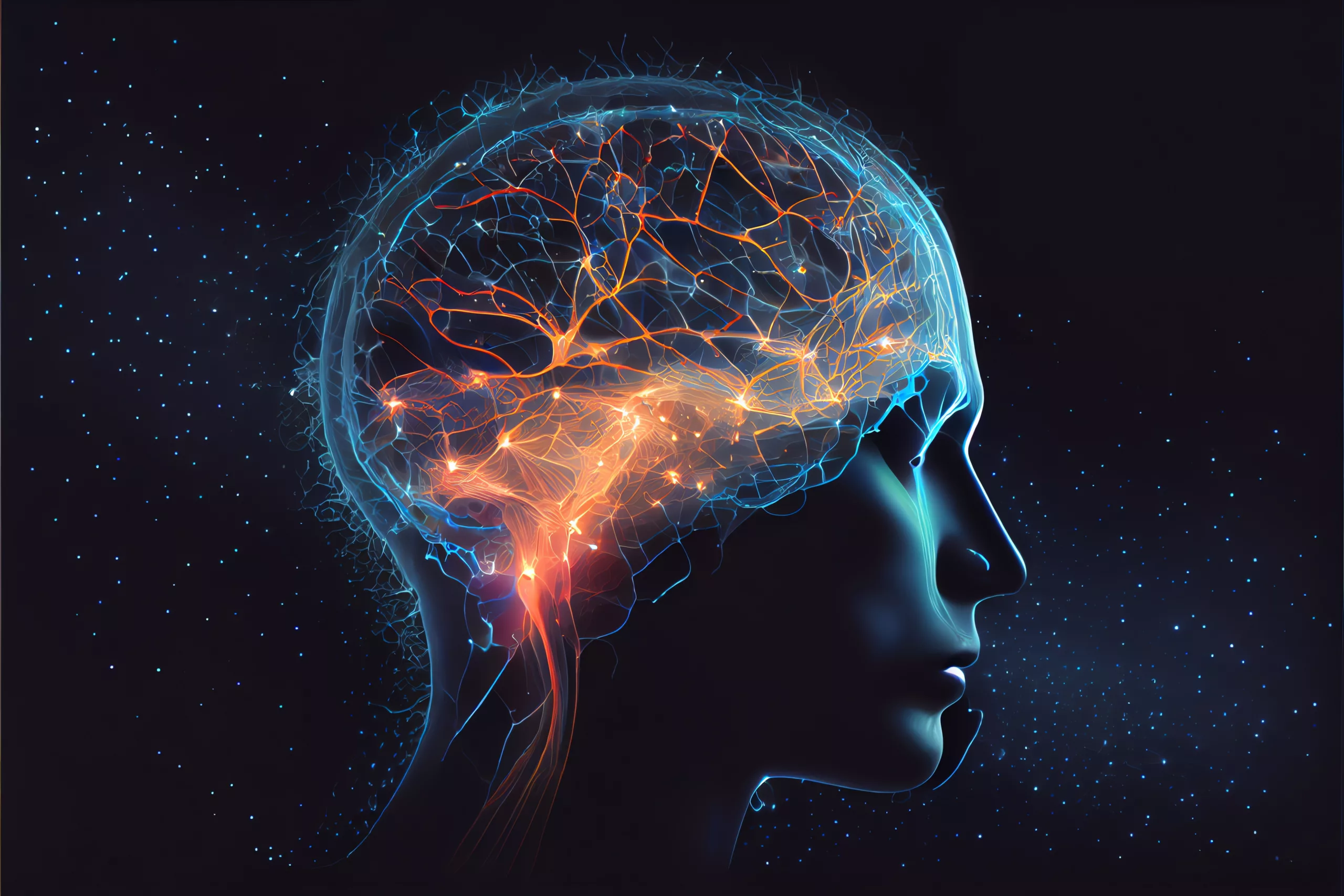
The brain itself undergoes a process of system reorganization. Addictions activate brain pathways which make natural rewards from activities like walking in parks and talking with friends become less enjoyable than engaging in addictive activities. The dependency rate increases due to this distribution of rewards.
5. Financial Damage
The majority of addictions require people to spend money on their habit. Gambling can wipe out savings. People who abuse substances must pay for their treatment through medical expenses. People can lose control of their finances through online shopping.
6. Spiritual Disconnect
The inner self becomes numb through addiction. The person exists in two places because of their need to feel desire while experiencing feelings of regret. People who experience this disconnection struggle to achieve a state of grounding and purpose and inner peace.
Why is Addiction So Hard to Break?
The solution appears straightforward to outsiders who think stopping the process is enough to resolve the situation. The situation becomes more intricate because the person who experiences it needs to understand their complex emotional state. Addiction develops through brain chemical changes which create permanent patterns of addiction and reward-based behavior.
People develop addiction problems because they need to protect themselves from experiencing emotional distress and social isolation and work-related pressure. The process of addiction removal leads to patients experiencing their original problems because they have not yet treated their underlying psychological issues.
Healing and Recovery
The process of recovery from addiction requires time because it leads to positive results. Recovery involves breaking the cycle of addiction while developing better coping mechanisms and relationship skills and general life skills.
The following methods provide effective assistance:
- Awareness: The first step toward recovery from addiction requires people to identify their problem. The suffering continues because people choose to stay in denial.
- Support Systems: Friends and family members, together with support groups, assist people who face overwhelming urges to stay sober.
- Therapy and Counselling: Professional guidance helps people to discover their inner problems while they build better ways to handle life challenges.
- Healthy Alternatives: People who want to stop their addictive behaviors should use healthy activities instead of harmful ones through practices such as meditation and exercise and journaling and creative work.
- Spiritual Practices: People establish their inner peace through prayer and mindfulness practices and their practice of connecting with their true self.
The Role of Compassion
Stigmatization of addiction creates additional difficulties for people who experience this condition. The combination of severe judgment and social isolation creates barriers to successful treatment. Compassion from people and self-compassion both create positive changes. The path to recovery becomes accessible through kind words and patient understanding and the ability to forgive oneself.
Moving Forward
Addiction recovery has been compared to learning a new way of life. The process needs both time and backing from others while it demands complete truthful explanations of all experiences. Every tiny achievement creates a victory for us which we should celebrate.
Recovery from addiction depends on treating your loved ones as human beings who need support through their struggles. The process requires you to restore your life balance and take back your life power and establish connections with others.
Final Thought
Addiction creates permanent damage which develops into permanent damage and acts as a proof of emotional strength. Healing process starts when people select to observe reality instead of denying it and show kindness to others instead of making assessments and they choose to believe in better times instead of living in hopelessness.
At Masi Wellness, we believe that the path to recovery is not just about breaking habits, but about nurturing the mind, body, and soul back to wholeness.
References
The Neuroscience of Drug Reward and Addiction, by Nora D. Volkow, et al. — https://pmc.ncbi.nlm.nih.gov/articles/PMC6890985/?
Addiction and Health, National Institute on Drug Abuse (NIDA) — https://nida.nih.gov/publications/drugs-brains-behavior-science-addiction/addiction-health?
Drug addiction (substance use disorder) — Symptoms & causes, Mayo Clinic — https://www.mayoclinic.org/diseases-conditions/drug-addiction/symptoms-causes/syc-20365112 Mayo Clinic
Physical & Mental Effects of Drug Abuse, Medical News Today — https://www.medicalnewstoday.com/articles/effects-of-drug-abuse Medical News Today
Physical Effects of Drug Abuse, Greenhouse Treatment Center — https://greenhousetreatment.com/drug-addiction/physical-effects/ Greenhouse Treatment Center
Neurobiologic Advances from the Brain Disease Model of Addiction, New England Journal of Medicine — https://www.nejm.org/doi/full/10.1056/NEJMra1511480 New England Journal of Medicine
What Is a Substance Use Disorder?, American Psychiatric Association — https://www.psychiatry.org/patients-families/addiction-substance-use-disorders/what-is-a-substance-use-disorde