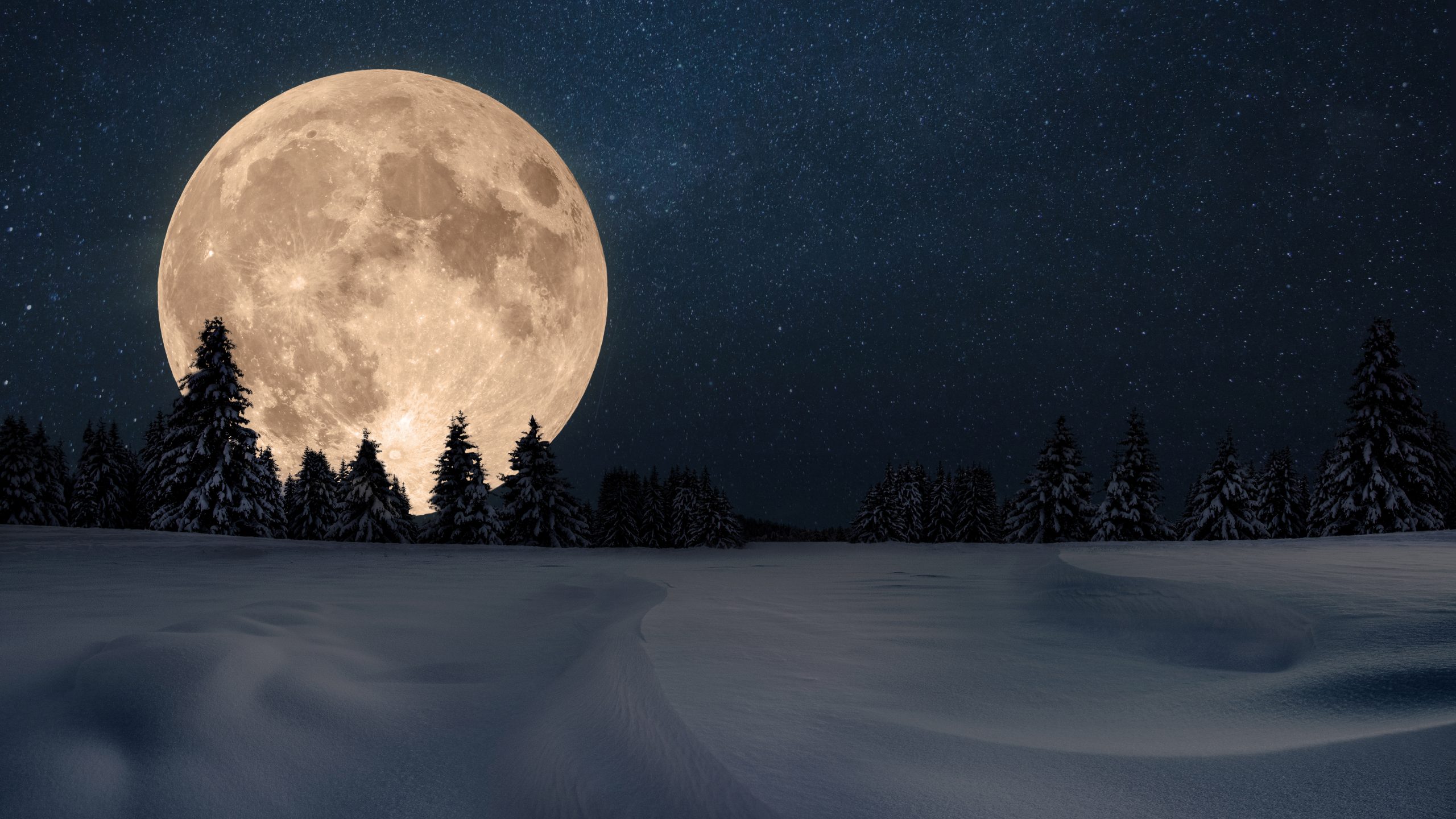
Did you know that a full moon shines the most out of all the lunar phases it goes through? And not just that but a lot of people consider this time as a symbol of energy and clarity at its peak. With getting fully illuminated by the sun’s light, a full moon is considered as the brightest and the most absolute form of the moon. In fact, across various cultures including Hindu tradition, this full moon night is considered pious and powerful. While we talk about Hindu tradition, every full moon which is also denoted as “purnima” is considered holy and auspicious for conducting chants, rituals and prayers. Many people experience a surge in their emotional and reflective capacity during this phase.
Modern teachers who break away from traditional methods show how moon phases create hidden impacts on human beings. Sadhguru explains how “different positions of the moon have different kinds of impacts on human physiology and mental make-up,” and he believes that people who know about the current moon phase will handle their activities according to its energy patterns. People need to remember to take breaks for deep breathing and self-reflection during full moons because the moonlight delivers a natural notification to do so.
Why the full moon matters:
Natural calendar: The full moon marks the midpoint of the lunar month. Ancient cultures used full moon names to measure their seasonal changes, such as the named full moon times which they called “Wolf” and “Flower.”
People display emotional responses that resemble the ocean tides because the full moon functions as a matching force which affects their emotions and their capacity to know things. The moonlight creates a situation where people experience increased energy, peacefulness, and deep thinking.
Hindu people consider the full moon day or the Purnima day as a very auspicious one. They fast, do various charitable acts including donations, special poojas believing that the illumination of the full moon bestows blessings upon them.
The full moon shines bright to show complete light which represents full completeness. The period serves as a perfect moment for people to meditate, release their past worries, and create new goals.
The full moon serves as a natural milestone which helps you to reflect on your life while you restore your energy and build positive habits.
Aligning Your Energy with the Full Moon
The full moon provides people with a soft indicator which they can use for their basic self-care activities and their spiritual practices. Here are some practical ways to work with its energy:
- It is advisable for people to observe the full moon from an open and outdoor place or sometimes even from a window space. In fact, a lot of people practice meditations and pranayama under the illuminated moon as they believe that it brings them calmness especially when they sit, observe and express their gratitude to the full moon.
- People should use the full moon energy to release all their negative emotions through their writing practice. People should write down everything they want to release from their lives before they burn or tear the paper as a release symbol. The upcoming month requires you to write down your first intentions and goals. The full moon’s light creates an ideal environment which people should use to establish their intentions and envision their upcoming positive transformations.
- The practice of Chandra Namaskar includes a series of moonlit gentle yoga poses which some yogic traditions teach. Even a simple stretching or yoga routine can help you feel grounded. The heart and mind should be opened through Anahatasana and easy seated twists while you picture the moonlight entering your body.
- Create Moon-Charged Water: If it’s safe, leave a jar of clean water under the moonlight overnight. The moon water can be consumed during morning time or it can be used for plant watering which represents the moon’s soothing power being absorbed into the body. (Always remember to drink water safely!)
- Fast or Eat Light: In many Indian traditions people practice fasting or they choose to eat simple foods during Purnima. It is believed that one should rather stick to light food and diets including satvik intake such as fruits and kitchari as it brings a person in the state of alertness, emotional and mental clarity.
- The home requires you to perform a small puja ritual by lighting a lamp or incense during the evening time. The mind finds greater peace through the practice of chanting “Om Chandraya Namah” and listening to soothing bhajans. The tradition states that all genuine spiritual activities which people perform on full moons will create strong beneficial results through both charitable giving and helping others.
The simple practices require no special skills because they demand only an open mind plus a few moments of time. The practice requires you to connect with the full moon through its smooth energy while you express gratitude for everything present in your life and let go of things which no longer benefit you.
Full Moon Festivals in Indian Tradition
India experiences multiple Purnimas which correspond with significant religious occasions throughout the year. A few notable ones:
- Phalguna Purnima (March): Holi, the festival of colors, begins with the arrival of the full moon on this day. The night before Holika Dahan, people light bonfires to symbolize the victory of good over evil. People celebrate Phalguna Purnima by throwing colored powders and dancing to welcome spring.
- Chaitra Purnima (April): This day celebrates Hanuman Jayanti, which marks the birth of Lord Hanuman in certain traditions. Devotees visit Hanuman temples to recite the Hanuman Chalisa. Families perform the Satyanarayana Puja to ask for good health through their ceremonial practice.
- Ashadha Purnima (June/July): The day of Guru Purnima exists to honor all spiritual teachers who are known as gurus. The devotees show their teachers thanks. The birthday of sage Vyasa is believed to occur on this date. People meditate throughout the night while recalling the wisdom they have acquired during their entire existence.
- The people of India observe Shravana Purnima in July and August because sisters tie rakhi threads to their brothers wrists during the Raksha Bandhan festival. The thread functions as a family bond that also provides protection. The full moon here serves as a reminder for people to fulfill their responsibilities toward their family members.
- People celebrate Ashwin Purnima in September/October as Sharad Purnima because it marks the harvest festival which occurs on the divine night. Hindu stories tell of Lord Krishna who danced Raas Leela with the gopis on this moonlit night.. The moon is believed to produce a healing amrit nectar on this particular night. People spend their time deep into the night while they sing bhajans which are devotion songs and practice meditation.
- Kartik Purnima which usually is observed anytime between October to November is considered as one of the most sacred full moons throughout the year because in Hindu Tradition, it is believed to be the day when Lord Vishnu appeared as Matsya and helped Lord Shiva achieve victory over demons. Hindu people perform their holy rituals by taking baths in the Ganges River and they light lamps to celebrate the Dev Diwali festival which people also call Tripuri Purnima.
Each Purnima possesses its unique narrative and associated rituals. Purnima functions as a special period when people express gratitude to God and nature while they reconnect with their cultural community customs.
Full Moons Throughout the Year
The world has assigned distinct titles to full moons of each month according to various cultural traditions. The Western tradition which includes Native American and early English practices uses full moon names to show seasonal changes through the year.
- The name Wolf Moon describes January because wolves howled during the traditionally cold nights of that month. The season of deep winter begins with this date.
- The Snow Moon of February takes its name from the typical heavy snowfall which occurs throughout several regions during winter. The worm moon of march marks the arrival of earthworms which emerge from the ground when springtime brings warmer weather. The birds start to feed on earthworms which become visible as springtime arrives. The thawing process begins from this point forward.
- The pink moon of April does not refer to the moon’s actual color because it describes the springtime blooming of pink wildflowers known as phlox. The Flower Moon of May celebrates the period when all flowers reach their full bloom status which occurs during late springtime.
- The Native Americans selected Strawberry Moon as the June name because they used this period to collect wild strawberries which were at their peak ripeness. The month of June marks the period when people harvest strawberries.
- The July Buck Moon gets its name because deer start to develop their antlers during the month of July. The Sturgeon Moon of August marks the beginning of sturgeon fishing season in the Great Lakes area. The Sturgeon Moon has alternative names which include the Corn Moon and Grain Moon.
- The Harvest Moon designates the moon which occurs closest to the autumnal equinox because its light enables farmers to complete their corn and grain harvesting. When it appears in late September the Corn Moon designation becomes applicable.
- The full moon in October received the name Hunter’s Moon because it marked the period after the grain harvest when people began hunting for meat to store for winter.
- The name Beaver Moon derives from the habits of North American beavers who start their winter preparations by building their lodges and collecting their food supplies.
- The December full moon receives the name Cold Moon because it occurs during the coldest period of deep winter which defines that month.
The names of these moons serve as reminders to us about the natural progression of seasonal changes. The June Strawberry Moon marks the time when berries become ripe. The April Pink Moon indicates the start of spring when pink phlox flowers begin to blossom. The implementation of these names helps us understand better both the seasonal changes and our own biological rhythms.
Making the Most of the Full Moon
The full moon offers a peaceful experience to both those who practice its traditions and those who admire its nighttime beauty. You don’t need elaborate ceremonies: the point is to slow down and be present. People can choose between three different activities which include moon meditation, blessing count or moonlit walking without screens.
According to one tradition, every virtuous deed performed during a full moon brings about “multiple results”. The full moon’s light makes even simple actions such as candle lighting and positive word sharing and gratitude practice become more powerful.
The full moon functions as a monthly cycle that brings people back to nature’s pattern of rebirth. The luminous night allows you to pause and collect energy while you create positive plans for your upcoming days.
If the full moon stirs something within you – curiosity, calm, or a quiet nudge to reflect – why not explore it further? At Masi Wellness, we offer gentle guidance and tools to help you reconnect with yourself, one moon phase at a time.
Whether you’re looking for moon-based rituals, energy healing, or simple spiritual practices to bring into your daily life, we’re here to walk beside you. Take a step inward.
Explore our sessions and resources designed for soulful living → Visit Masi Wellness