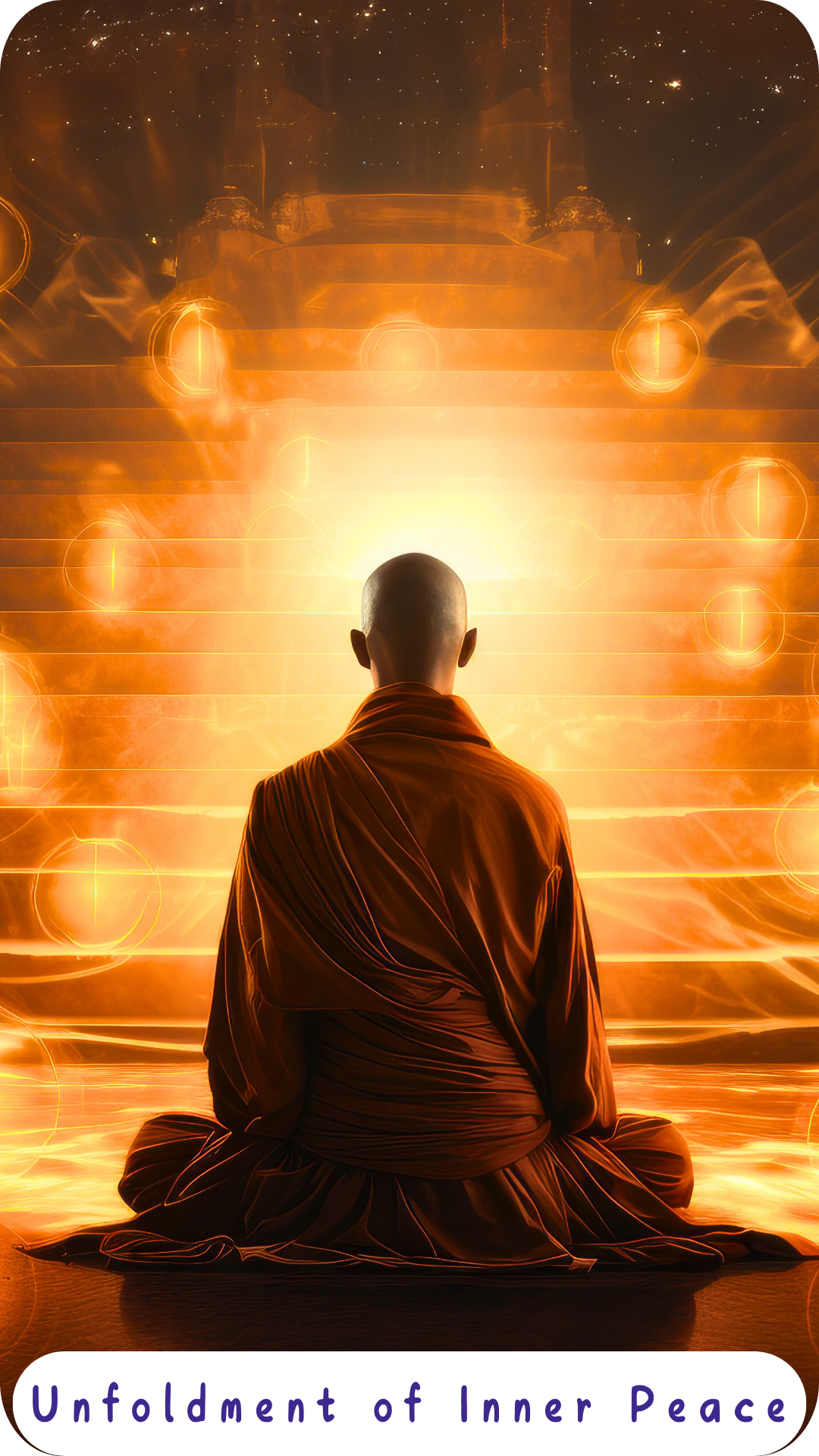
There is a moment on the spiritual path when reading is not enough.
Books can open the mind. Rituals can soften the heart. Sacred places can remind us that the world is more mysterious than our daily worries. But there comes a quieter threshold where the seeker begins to long for living guidance. Not entertainment. Not borrowed wisdom. Not someone who speaks beautifully for an audience. Something more ancient than that.
This is where the idea of spiritual initiation by an authentic guru enters.
In many Indian traditions, the guru is not simply a teacher who explains ideas. A true guru is a guide who has walked through the inner terrain and can help another soul walk with steadiness. The guru does not stand between the seeker and the Divine. Ideally, the guru removes the fog that keeps the seeker from recognizing the Divine already present within.
That distinction matters.
Because in our time, where spirituality is often sold in polished language and attractive packaging, it has become even more important to understand what authentic initiation really means.
What Is Spiritual Initiation?
Spiritual initiation is a sacred beginning. In Sanskrit, the word often used is diksha, which is traditionally connected with consecration, preparation, and the formal receiving of spiritual instruction or mantra from a guide.
But initiation is not only a ceremony.
The outer form may be simple. A mantra may be whispered. A blessing may be given. A vow may be taken. A disciple may bow, offer flowers, or sit in silence before the teacher. These gestures matter, but they are not the whole truth of initiation.
The real initiation happens in the subtle body of the seeker.
Something turns inward.
A person stops treating spirituality as a casual interest and begins to live it as a path. The mantra is no longer just a sound. The practice is no longer just a habit. The relationship with the Divine begins to feel personal, alive, and accountable.
That is why initiation has always carried weight. It is a crossing of an inner doorway.
The Guru Is Not a Personality Cult
One of the biggest misunderstandings today is that having a guru means surrendering intelligence. This is not true. At least, it should never be true.
An authentic guru does not ask the disciple to become blind. The guru helps the disciple see more clearly.
There is a difference between devotion and dependency. Devotion opens the heart. Dependency weakens the inner will. Devotion makes a person more truthful, compassionate, disciplined, and humble. Dependency makes a person fearful of questioning, fearful of leaving, fearful of trusting their own conscience.
A real guru does not need to trap the student.
A real guru does not feed on admiration.
A real guru does not make the seeker smaller.
In the old guru-shishya tradition, the relationship was not built only on emotion. It involved discipline, study, observation, service, dialogue, correction, and time. The disciple learned not only what the guru said, but how the guru lived. This is still one of the simplest ways to sense authenticity: look at the life around the teacher. Look at the people close to them. Look at how power is handled when nobody is performing holiness.
Signs of an Authentic Guru
No checklist can fully measure spiritual depth. Some things are felt through presence, and some are known only with time. Still, there are signs that help a seeker remain grounded.
An authentic guru usually carries:
- A deep humility, even when respected by many
- Consistency between teaching and personal conduct
- Respect for the disciple’s dignity and free will
- Clear spiritual discipline, not just emotional charisma
- Patience with questions
- No hunger to control the disciple’s money, body, relationships, or choices
- Teachings rooted in a lineage, scripture, lived practice, or genuine realization
- A way of bringing the seeker closer to the Divine, not closer to the guru’s ego
The last point is the most important.
A true guru may be loved deeply, but the guru’s purpose is not to become the final object of attachment. The guru points beyond themselves. Like a lamp in a dark room, they do not demand that we worship the lamp forever. They help us see.
The Inner Readiness of the Seeker
We often ask, “How do I find an authentic guru?”
It is a fair question. But the older question is just as powerful: “Am I becoming an authentic disciple?”
This does not mean becoming submissive or innocent in a naive way. It means becoming sincere.
A seeker ready for initiation begins to develop certain qualities:
- A longing for truth, not only comfort
- Respect for practice
- Emotional steadiness, or at least the willingness to cultivate it
- Discernment
- Patience
- A heart that can bow without losing its spine
That last line feels important.
A disciple must be able to bow. Bowing softens pride. It reminds us that the ego cannot lead the soul all the way home. But a disciple must also keep their spine. Spiritual surrender is not self-erasure. It is not the abandonment of conscience.
Authentic initiation requires both humility and awareness.
What Actually Changes After Initiation?
Some people expect initiation to feel dramatic. Sometimes it does. A person may cry, feel peace, experience warmth, or sense a powerful shift. But sometimes initiation is very quiet. Almost too quiet. A mantra is received, a blessing is given, and ordinary life continues.
Then, slowly, things begin to rearrange.
The practice starts working on the person from within. Certain habits feel heavier. Certain desires lose their grip. The heart becomes more sensitive. The conscience becomes louder. There may be moments of grace, but also moments of discomfort, because the path begins to reveal what is still unhealed.
A real initiation does not always make life easier at first. It makes life more honest.
It gives the seeker a thread to hold. Through confusion, grief, temptation, pride, and doubt, the practice becomes a quiet returning. Again and again, the disciple remembers: I have been given a path. Let me walk it sincerely.
The Need for Discernment
It would be incomplete, and honestly irresponsible, to speak of gurus without speaking of harm.
Spiritual authority can be misused. History and modern life both show this. Some people use sacred language to control others. Some hide abuse behind obedience. Some confuse charisma with realization. Some disciples ignore warning signs because they are afraid that doubt means lack of faith.
But discernment is not the enemy of devotion.
Discernment protects devotion from corruption.
A teacher who pressures, humiliates, isolates, exploits, threatens, or crosses personal boundaries is not acting from spiritual clarity. A community that silences harm in the name of loyalty is not protecting the sacred. It is protecting power.
A seeker should be careful around any teacher or group that says:
- “Only we have the truth”
- “Your family and friends are obstacles”
- “Questioning me is spiritual failure”
- “Your discomfort is proof that you must surrender more”
- “Rules do not apply to the guru”
- “You must give beyond your capacity to prove devotion”
The Divine does not need manipulation to reach the soul.
The Grace of a True Initiation
When initiation is genuine, it carries a fragrance that is difficult to fake.
There is reverence, but not fear. There is discipline, but not harshness. There is love, but not possession. There is surrender, but not the loss of dignity.
A true guru awakens responsibility in the disciple. Not panic. Not blind obedience. Responsibility. The seeker begins to understand that grace is not an excuse to live unconsciously. Grace is a call to live more beautifully.
To receive initiation from an authentic guru is to be invited into a deeper relationship with life. The mantra becomes a seed. The practice becomes water. The guru’s blessing becomes sunlight. But the disciple must still tend the soil.
Day by day.
Not for display.
Not to become superior.
Not to collect spiritual identity.
Simply to become more true.
Returning to the Inner Guru
In the end, the outer guru awakens the inner guru.
This does not mean we no longer need guidance. It means the true guidance begins to echo inside us. We become more able to hear the quiet voice of conscience, the wisdom of the heart, the intelligence of silence.
The authentic guru does not make us spiritually dependent forever. The authentic guru helps us mature into direct relationship with the Divine.
That is the beauty of initiation.
It is not a chain.
It is a lamp being lit from another lamp.
And once the flame is alive, the whole inner temple begins to glow.