Long before maps were flattened and GPS coordinates replaced intuition, the human body knew how to listen. It listened to the sun’s rise, the cool authority of the mountains, the patient breath of the sea. And quietly – almost imperceptibly – it listened to the Earth itself. Not just the soil beneath the feet, but the subtle magnetic pulse that wraps the planet in an invisible embrace.
Across cultures and centuries, magnetic directions have been honored not as abstract measurements, but as living presences. East was not merely where the sun appears; it was awakening. North was not just cold; it was wisdom, stillness, endurance. These directions were guides for prayer, for architecture, for healing, for remembering one’s place in the greater weave of life.
In our modern world, where orientation is often externalized to devices, there is something profoundly grounding about returning to directional awareness as a spiritual practice. It reminds us that we are not floating above the Earth – we are held by it.
The Cardinal Directions as Living Teachers
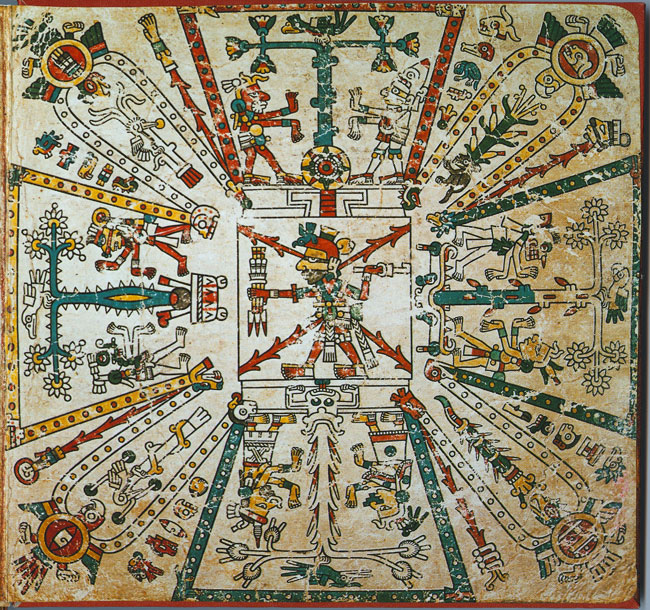
In many ancient traditions, the four cardinal directions are understood as energetic archetypes rather than static points on a compass. Each direction carries a quality, a mood, a lesson.
East is the breath of beginnings. It holds the energy of sunrise, illumination, inspiration, and clarity. Many spiritual practices face east during prayer or meditation to align with renewal and insight.
South often embodies vitality, growth, and passion. It is associated with warmth, creativity, and the fire of transformation – the direction of embodied life and emotional truth.
West is the keeper of endings and deep reflection. Linked with sunset, water, and introspection, it invites surrender, emotional release, and the wisdom that comes from letting go.
North stands as the direction of stillness and ancestral knowing. It is often connected to earth, winter, and the quiet strength that arises from patience and groundedness.
To orient oneself intentionally within these directions is to enter into dialogue with the Earth’s rhythms. The body begins to feel supported, as though it remembers something ancient it had forgotten.
Magnetic Awareness and the Human Body
Modern science acknowledges that the Earth has a magnetic field – subtle, constant, and essential for life. Birds migrate by it. Sea turtles navigate oceans by it. While human sensitivity to magnetism is quieter, many contemplative traditions suggest that the nervous system responds to directional alignment in ways we are only beginning to understand.
In spiritual contexts, magnetic awareness is less about measurement and more about sensation. How does the body feel when you sit facing north? Does your breath deepen when you turn east? Is there a sense of calm, or alertness, or resistance?
These are not questions to answer intellectually. They are invitations to listen somatically – to let the body be the instrument.
Sacred Spaces and Directional Alignment
Temples, stone circles, monasteries, and prayer rooms throughout history were rarely built at random. Orientation mattered. Entrances often faced east to welcome light. Altars were placed in alignment with specific directions to amplify intention.
Even within the home, subtle directional awareness can transform a space. A meditation cushion placed where morning light enters. A bed oriented to support rest and grounding. A small altar facing a direction that resonates with one’s current season of life.
These choices are not rules; they are relationships. When we align our environments with directional intention, we create spaces that feel quietly supportive rather than energetically chaotic.
Directional Practices for Inner Balance
You do not need elaborate tools to work with magnetic directions. Your body and attention are enough.
One gentle practice is directional meditation. Sit comfortably and choose a direction to face. Begin with stillness. Notice sensations – temperature, breath, emotional tone. After several minutes, slowly turn to face the next direction, allowing time to settle. Each turn becomes a conversation, revealing subtle shifts in awareness.
Another practice involves walking prayer. Step intentionally toward a chosen direction while holding a simple intention – clarity, release, courage, rest. With each step, imagine the Earth responding, meeting your movement with quiet support.
Some find resonance in directional journaling, reflecting on what each direction stirs emotionally or spiritually over time. Patterns emerge. Preferences soften. Balance reveals itself not through force, but through familiarity.
Honoring Cultural Lineages with Care
It is important to approach directional practices with humility and respect. Many Indigenous and ancient traditions hold deep, sacred teachings around the directions – teachings that are not meant to be extracted or simplified.
Rather than adopting specific rituals without context, we can honor the universal wisdom beneath them: attentiveness, reverence, reciprocity. The directions are not owned; they are shared. But the ways they are spoken to, named, and invoked carry cultural memory that deserves care.
A respectful approach listens more than it claims. It adapts gently rather than imitates.
Living Oriented in a Disoriented World
Perhaps the greatest gift of working with magnetic directions is not spiritual sophistication, but orientation. In a time when many feel unmoored – emotionally, spiritually, physically – directional awareness offers a quiet return to center.
To know where east is without checking a screen.
To feel north in the bones on a cold morning.
To sense when it is time to face the west and release what has run its course.
These are small acts, but they accumulate. They teach the nervous system that it belongs. That it is not lost.
The Earth is always offering direction – not as command, but as companionship.
A Closing Reflection
You may never consciously feel the Earth’s magnetic field. Or you may feel it only on certain days, in certain places, when the mind grows quiet enough to notice. Both are perfectly enough.
What matters is the remembering – that you are oriented within something vast and intelligent, something that has been turning faithfully beneath every step you have ever taken.
When you pause and turn toward a direction with intention, you are not seeking power. You are acknowledging relationship.
And in that simple acknowledgment, something within you aligns.