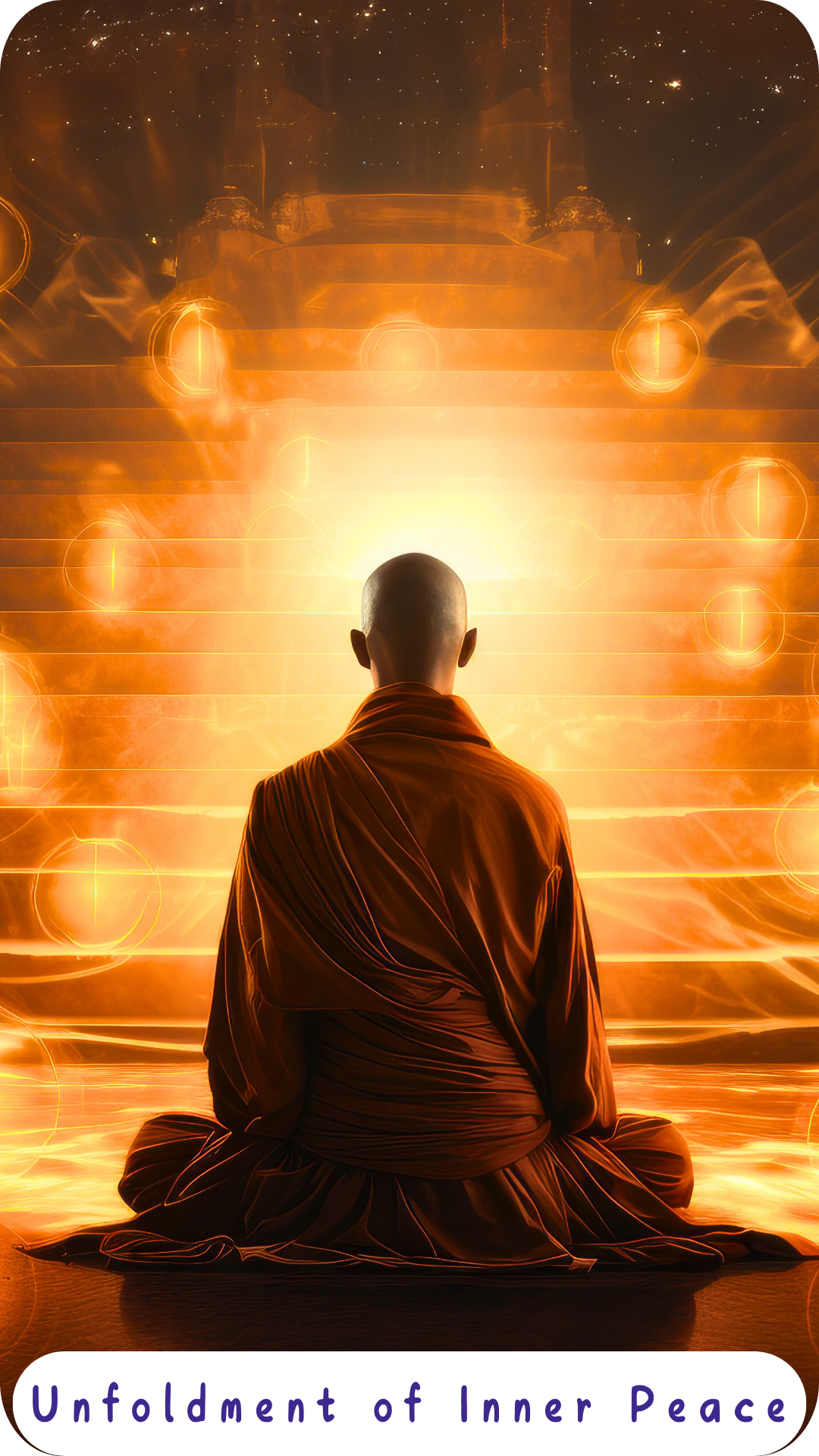
There is a kind of silence that has nothing to do with the absence of sound.
A room can be quiet and a person can still feel crowded within. Thoughts moving too fast. Old conversations replaying themselves. Worry sitting in the chest like it has rented the place. Even in the middle of the night, even with no phone ringing and no traffic outside, the inner world can remain noisy. So when we speak about internal silence, we are speaking about something much deeper than external quiet. We are speaking about a state of inward steadiness, where the mind is no longer pushing, grasping, defending, or endlessly commenting on everything.
That kind of silence has power.
Not flashy power. Not the kind that dominates others or performs wisdom in public. It is a quieter power, the kind that changes the quality of a person’s presence. Some people walk into a room and you can feel their agitation before they even speak. Others enter with very few words, and something in the atmosphere softens. Internal silence does that. It steadies the field around a human being. It makes presence more healing than performance.
In spiritual life, this matters more than people realize. Many of us spend years collecting words about truth, reading about peace, admiring depth, talking about consciousness, prayer, healing, surrender. But the real turning comes when the inner noise begins to thin out. Because truth is difficult to hear in a crowded mind. Even prayer becomes shallow when the heart is constantly interrupted by fear, comparison, resentment, or the need to prove something. Internal silence clears space. It does not always answer every question, but it makes us able to sit with life without immediately being torn apart by it.
And honestly, current life makes this even more necessary.
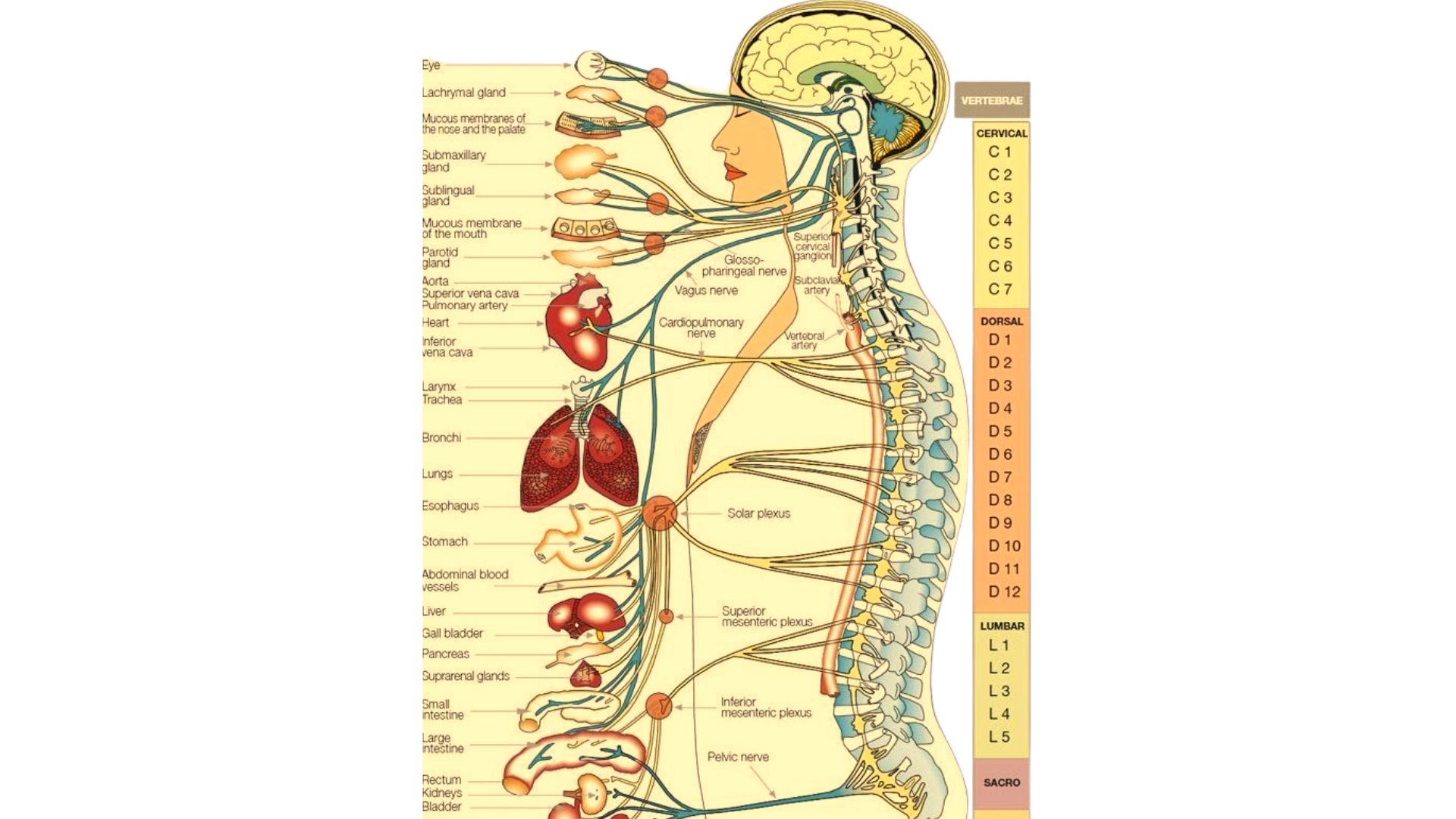
The modern mind is overstimulated in ways that previous generations may not have known in quite the same form. There is always something asking for reaction. Messages, alerts, opinions, headlines, deadlines, comparisons, emotional spillover from people we have never even met. The nervous system rarely gets full permission to settle. The World Health Organization notes that stress can make it hard to relax, concentrate, and sleep, and can come with anxiety, irritability, headaches, stomach upset, and other forms of strain. It also warns that chronic stress can worsen existing health problems and increase unhealthy coping habits.
When a person lives too long in that state, noise begins to feel normal. Busyness starts looking like meaning. Reactivity starts looking like strength. But inwardly, something gets drained. Internal silence becomes powerful precisely because it interrupts this pattern. It reminds the whole being that not every thought deserves obedience, not every emotion deserves expression, and not every disturbance deserves a throne.
Silence, in this sense, is not emptiness. It is order.
It is the gentle rearranging of the inner house. Thoughts may still arise, of course. Emotions still visit. Memories still knock. But internal silence changes the relationship. You are no longer dragged by every movement of mind. You become able to witness without drowning, to feel without instantly becoming the feeling. That is real power. The person who can sit with anger without exploding, sit with grief without collapsing into despair, sit with praise without becoming inflated, that person has begun to touch an inner strength that is not dependent on circumstances.
This is why contemplative traditions across the world have valued silence so deeply. They understood that a noisy mind does not merely create discomfort; it also distorts perception. We do not see clearly when we are inwardly crowded. We project. We exaggerate. We react before understanding. We speak from the wound instead of from wisdom. Internal silence does not make someone cold or detached. In fact, it often makes a person more loving, because they are no longer so entangled in their own constant commentary.
There is also something healing about silence at the level of mental and emotional well-being. The National Center for Complementary and Integrative Health says meditation and mindfulness may help reduce symptoms of anxiety, depression, and post-traumatic stress, and may also help with insomnia and some pain conditions, while also noting that these practices are not risk-free for everyone and can sometimes bring up difficult experiences. That balance is important. Internal silence is not a romantic fantasy. It is a practice of real depth, and depth sometimes reveals what was hidden.
Still, that does not make silence less valuable. It makes it more honest.
Because real silence is not the same as suppression. A lot of people confuse the two. They become externally calm but internally hard. They avoid conflict, avoid feeling, avoid truth, and call that peace. But internal silence is not frozen emotion. It is not self-erasure. It is not pushing pain into the basement and pretending the house is clean. Real silence can contain tears. It can contain uncertainty. It can contain honest trembling. What makes it silence is not that nothing is happening, but that there is spaciousness around what is happening.
That spaciousness changes everything.
A person with internal silence listens differently. They do not need to interrupt reality every few seconds with their opinion. They can hear another person fully. They can hear their own conscience more clearly too. They become less addicted to immediate reaction. Even spiritually, silence has a refining effect. It reveals how much of our suffering is maintained by inner repetition. The same fear, the same story, the same wound recited again and again until it becomes identity. In silence, those patterns become visible. And what becomes visible can begin, slowly, to loosen.
Some emerging research on silence points in this direction as well. A peer-reviewed study on experiences of silence reported that silence was judged to increase relaxation, improve mood, and shift people more toward the present moment. I like that finding because it matches what many people quietly know from experience: when noise drops, time changes. You stop rushing inwardly. You begin inhabiting the moment you are actually in, instead of the one you fear or the one you keep replaying.
Maybe that is one of silence’s deepest powers — it returns us to presence.
And presence is no small thing. Most human suffering is intensified by being split between what has already happened and what has not yet happened. Internal silence gathers attention back into the living center of now. Not in some simplistic “just be present” way, because life is not always that easy. But in a truer way. It teaches the mind not to wander off with every fear. It teaches the heart that it can survive one moment at a time. It teaches the soul to rest in something deeper than thought.
This kind of silence also protects energy.
Not in the trendy sense where every discomfort is called “bad energy,” but in a more grounded sense. So much of our vitality leaks through inner friction. Arguing mentally with people who are not even there. Rehearsing disaster. Needing to explain ourselves to imaginary critics. Reliving old pain with fresh intensity. All of this consumes life force. Internal silence closes some of those leaks. It gathers scattered energy back into the center. You feel less divided. Less exhausted by your own mind. More available for work, prayer, love, and clear action.
And strangely, silence often makes a person more effective in the world, not less.
People sometimes assume that inward stillness leads to passivity. But the opposite is often true. Noise creates confusion. Silence creates precision. When the mind is calmer, decisions become cleaner. Speech becomes more measured. Action becomes less wasteful. You do not burn energy proving things that do not matter. You begin responding from depth instead of from impulse. In that sense, internal silence is not an escape from life. It is better preparation for it.
So how does one begin?
Usually not by trying to “be silent” all at once. That almost never works. The mind resists force. Internal silence grows more like a dawn than a command. A few minutes of still sitting. A slower breath before replying. A walk without your phone. Praying without asking for twenty things. Letting one emotion be felt without immediately narrating it. Closing the day in quiet instead of distraction. These small acts seem ordinary, maybe even too ordinary, but they train the inner world. They tell the nervous system, again and again, that it is safe to soften.
Over time, something beautiful happens. Silence stops feeling empty. It starts feeling inhabited.
You begin to notice that beneath the noise there was always a deeper layer of being, a place in you that was not panicking even when thoughts were loud. A place that does not need constant defense. A place that can witness, endure, and love. Some would call it awareness. Some would call it spirit. Some would simply call it peace. The name matters less than the recognition.
And maybe that is the final power of internal silence: it brings a person back to what is most real.
Not the social self. Not the frightened self. Not the endlessly performing self. Something deeper. Something cleaner. Something that does not need to shout to exist.
In a loud world, that kind of silence is almost revolutionary.
It heals without spectacle. It strengthens without hardness. It teaches without speeches. And little by little, it turns a person into a place where others can breathe too.
Sources
- World Health Organization, Stress.
- National Center for Complementary and Integrative Health, Mind and Body Practices; Meditation and Mindfulness: Effectiveness and Safety.
- Pfeifer et al., Waiting, Thinking, and Feeling: Variations in the Perception of Time During Silence (PMC, 2020)