Pregnancy changes much more than the body.
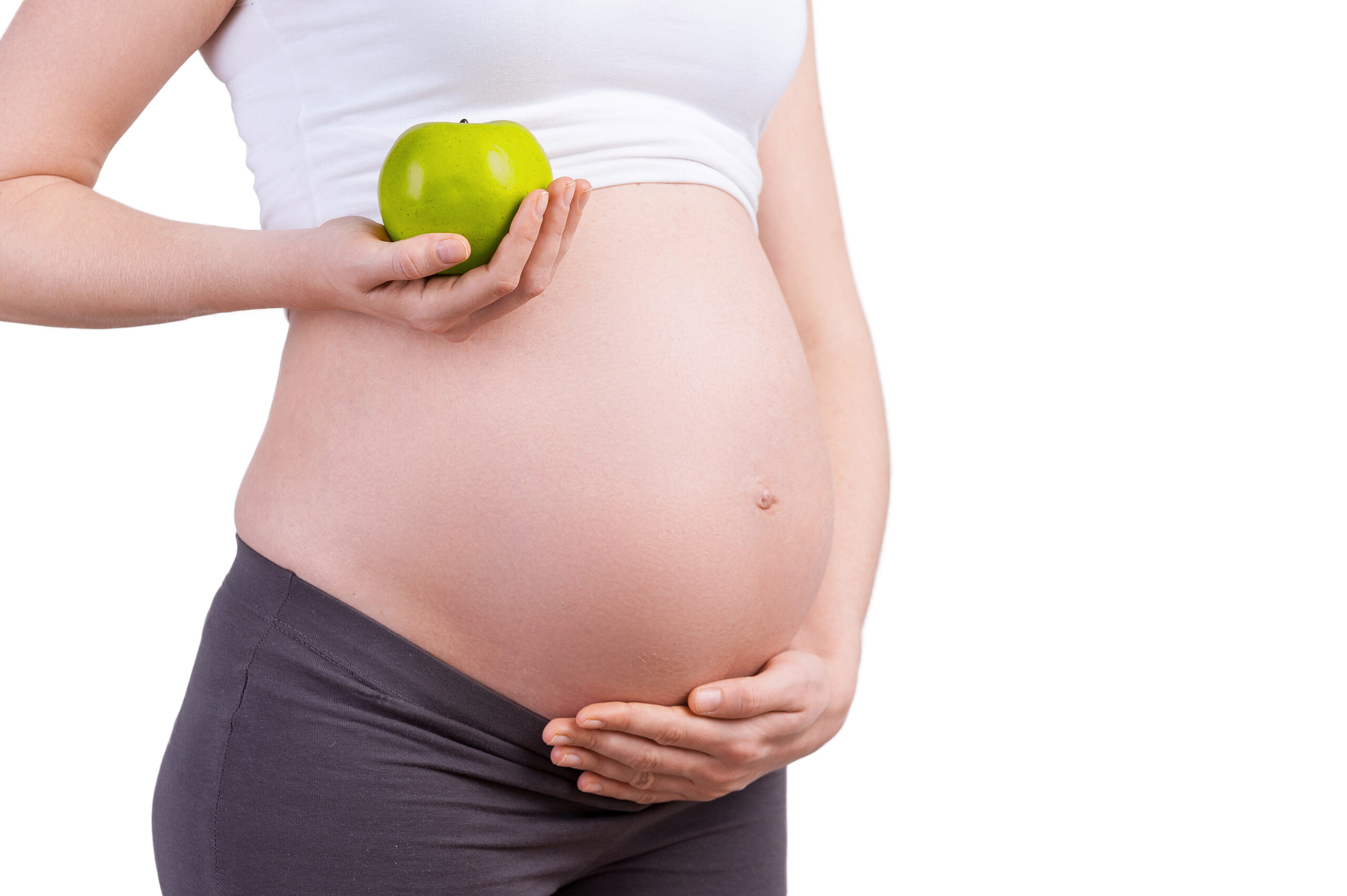
Yes, the body is the obvious place where everything begins to show. The belly grows, sleep shifts, appetite changes, tiredness comes in waves, and the familiar shape of everyday life slowly starts becoming unfamiliar. But something else is happening too, something quieter. A woman is not only preparing to give birth to a child. She is also preparing to cross an inner threshold. Pregnancy can awaken tenderness, fear, gratitude, uncertainty, memory, prayer, and a very old kind of listening all at once. The NHS notes that pregnancy is a big life event and that it is natural to feel many different emotions during it.
That is why spiritual preparation matters.
Not because pregnancy must look holy all the time, and not because every woman will experience it as calm or glowing or deeply intuitive from the start. Real pregnancy can be messy, anxious, physically hard, emotionally confusing. Spiritual preparation is not about pretending otherwise. It is about creating inner steadiness while life is changing so quickly. It is learning how to hold the experience with presence instead of only pressure.
In a deeper sense, spiritual preparation in pregnancy means making room for meaning.
Modern life can turn pregnancy into a checklist very fast. Appointments, tests, scans, vitamins, names, registries, hospital bags, advice from everyone and their auntie. Some of that is necessary, of course. Good care matters. But if pregnancy becomes only logistics, something tender gets lost. The inner life needs attention too. Not as an extra, but as part of the whole experience of becoming a mother.
The World Health Organization says women want a positive childbirth experience that respects their personal and sociocultural beliefs and expectations, and includes a psychologically safe environment, practical and emotional support, respect and dignity, and involvement in decision-making. That language is important because it reminds us that pregnancy and birth are not only clinical events. They are human events. Emotional events. Sometimes spiritual ones too.
So one part of spiritual preparation is very simple: allowing your pregnancy to become personal, not just medical.
That may mean asking quiet questions instead of only practical ones. What kind of mother do I want to become? What kind of atmosphere do I want this baby to feel around me? What do I need to release before birth? What gives me peace when I am afraid? Those questions dont produce quick answers, but they create inner depth. And depth matters, because the heart carries a pregnancy differently when it feels accompanied from within.
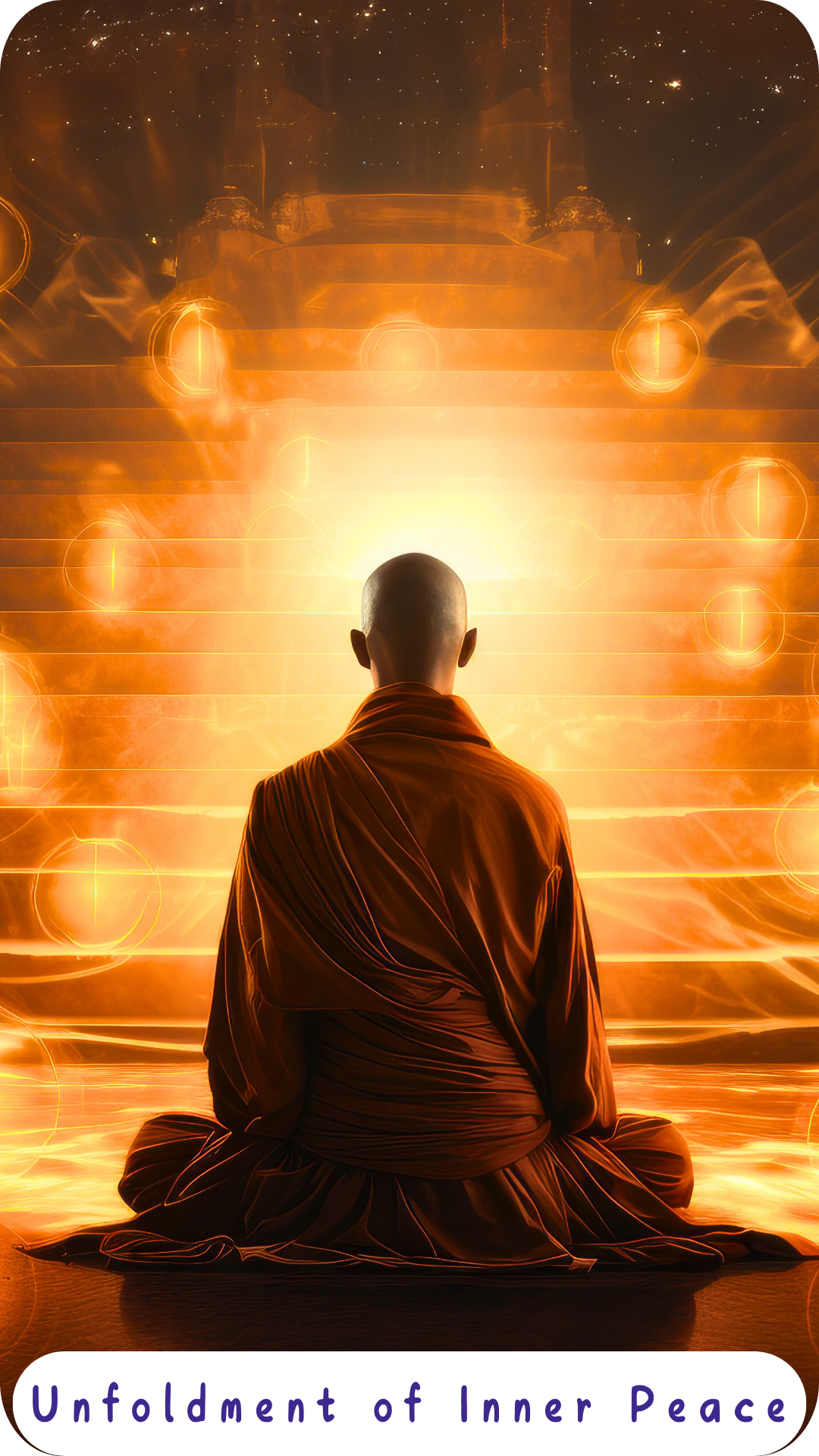
Prayer can be part of that. So can journaling. So can sitting in silence with one hand on the belly and one hand on the heart. Some women speak to the baby. Some chant, read sacred words, light a candle, walk slowly at dawn, or keep a gratitude notebook beside the bed. None of these practices are compulsory, and they do not make someone a “better” mother. But they can help the mind stop racing and help the pregnancy feel inhabited rather than merely managed.
Mindfulness practices may also help, though it is good to speak about them honestly. A systematic review and meta-analysis of mindfulness-based interventions during pregnancy found promising benefits for anxiety, depression, perceived stress, and levels of mindfulness, but also noted that the evidence was still limited and that more robust research was needed. In plain words: mindfulness is not a miracle, but it may genuinely support some women during pregnancy.
That matters because pregnancy often stirs up more than joy.
Old fears can surface. Relationship tensions can become clearer. A woman may start thinking about her own childhood, her mother, her wounds, the births or losses that came before. Sometimes the coming baby opens a hidden room in the psyche. There may be excitement there, but also grief. This is normal, more than people say out loud. The NHS advises pregnant women to talk about their feelings, try calming breathing exercises if overwhelmed, attend antenatal classes, and tell healthcare professionals how they are feeling rather than hiding it. Spiritual preparation should make this easier, not harder. If a spiritual path teaches a pregnant woman to suppress her truth, that is not wisdom. Real spirituality leaves room for honesty.
So another part of spiritual preparation is emotional truthfulness.
If you are frightened, say so. If you are happy, let yourself be happy. If you feel strangely detached, do not shame yourself. If sadness is growing and beginning to affect daily life, that deserves support, not silence. The NHS specifically says to speak to a midwife or doctor if what you are trying yourself is not helping, and notes that support and referral for perinatal mental health care may be offered. Sometimes the most spiritual thing a person can do is ask for help in time.
Support matters in another way too. Pregnancy should not become a lonely test of strength. WHO’s description of a positive childbirth experience includes emotional support from birth companions and kind staff, along with respect, dignity, and clear communication. Even before birth, that principle holds true. A spiritually prepared pregnancy is not one where a woman tries to be superhuman. It is one where she learns who can truly stand beside her. The right voices matter. The right environment matters. Peace is easier to grow where there is safety.
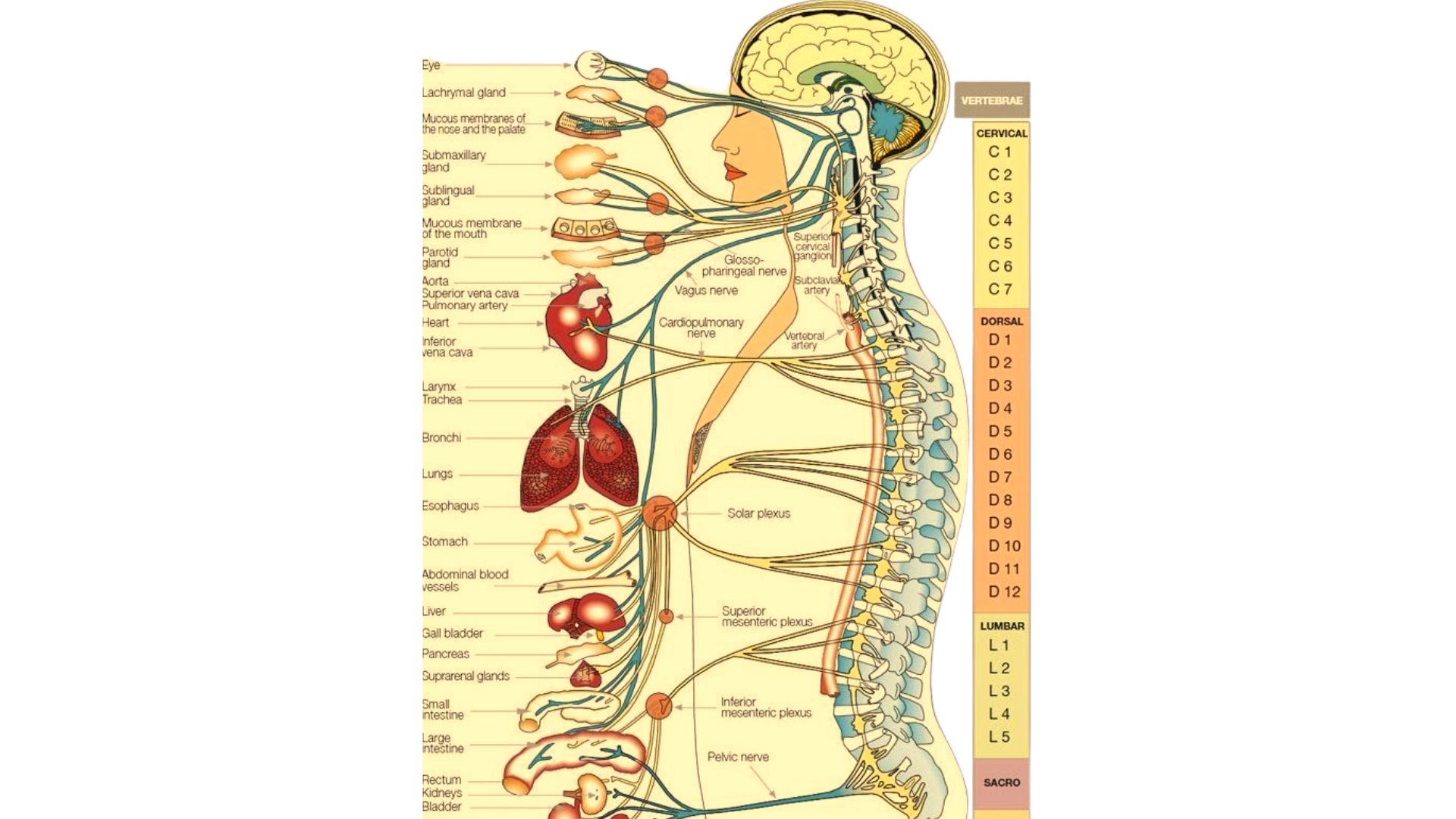
There is also a very practical side to all this. Spiritual preparation does not mean neglecting prenatal care and calling it faith. It means letting care itself become reverent. Going to appointments. Asking questions. Learning about birth without drowning in fear. Choosing support people with intention. Protecting rest. Eating with attention when possible. Breathing before reacting. Making space in the home, but also in the nervous system. Spirit does not float above the body; it lives through it.
And maybe that is the deepest realisation: pregnancy invites integration.
Mind, body, and spirit all begin speaking louder during this time. The body asks for gentleness. The mind asks for reassurance. The spirit asks for trust. Not blind trust, not denial of complications or uncertainty, but a quieter trust. The kind that says, I will meet this honestly. I will prepare with care. I will not abandon myself in the process.
That kind of preparation changes things. It does not guarantee an easy birth or a perfect emotional journey. Life does not make those promises. But it can make the path feel more rooted. More conscious. More whole.
And maybe that is enough.
Because in the end, spiritual preparation in pregnancy is not about becoming serene every day. It is about becoming available — available to wonder, to truth, to support, to inner listening, to the sacred ordinary work of bringing life closer. It is the slow forming of an inner home, one that the mother can live in, and one the baby may begin feeling even before birth.
That is no small thing. Thats the beginning of motherhood already.
Sources
- World Health Organization, Intrapartum care for a positive childbirth experience / positive childbirth experience summary.
- NHS, Mental health in pregnancy.
- Dhillon et al., Mindfulness-Based Interventions During Pregnancy: a Systematic Review and Meta-analysis (PMC