Reflexology is one of those therapies people often hear about in passing — usually through a spa menu, a wellness conversation, or someone saying, “You should try it, it made me feel so relaxed.” And that, honestly, is part of its appeal. It sits somewhere between bodywork and belief, between comfort and curiosity. For some people it feels deeply restorative. For others, it raises a more practical question: what exactly is it, and does it really do anything?
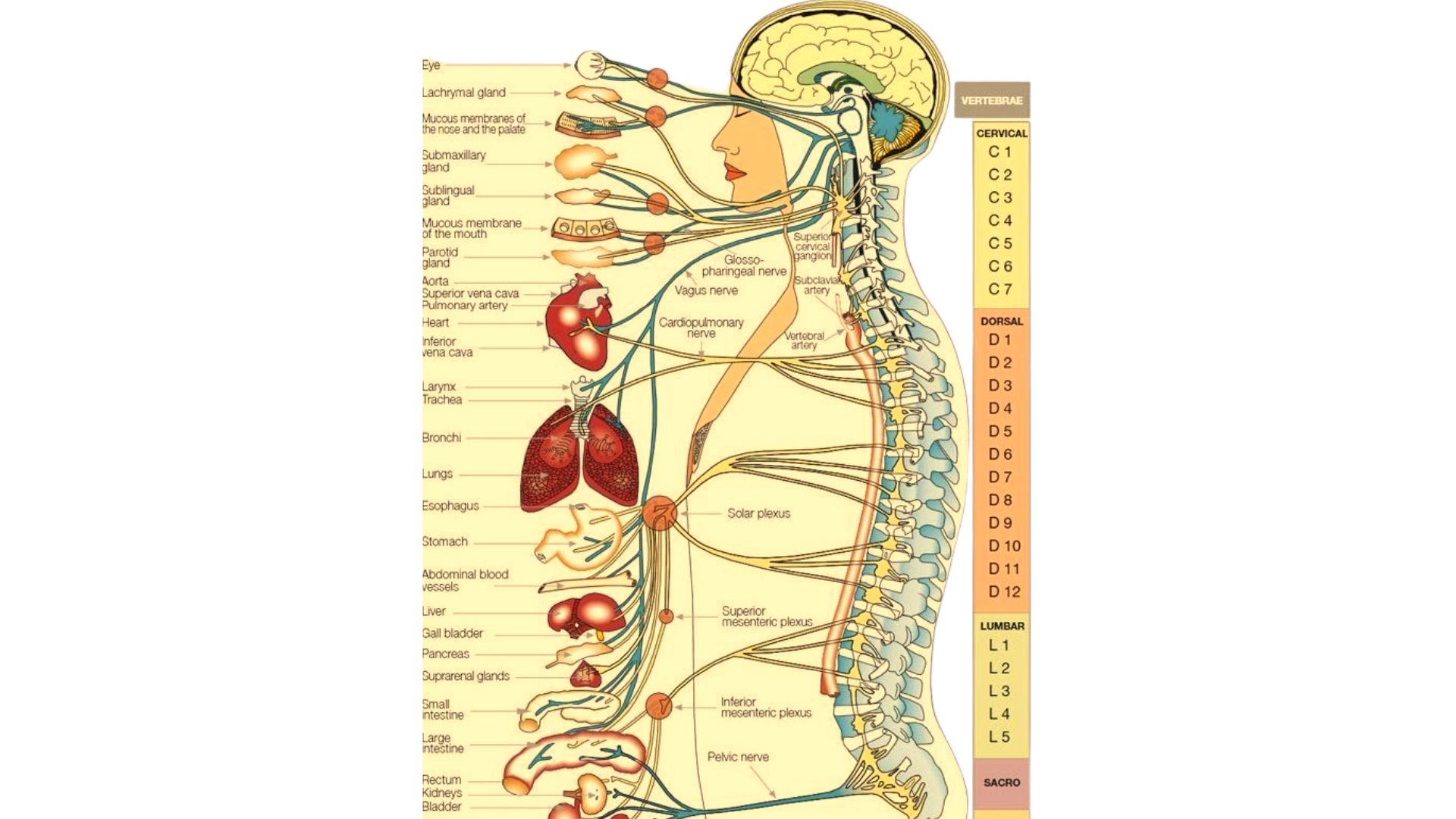
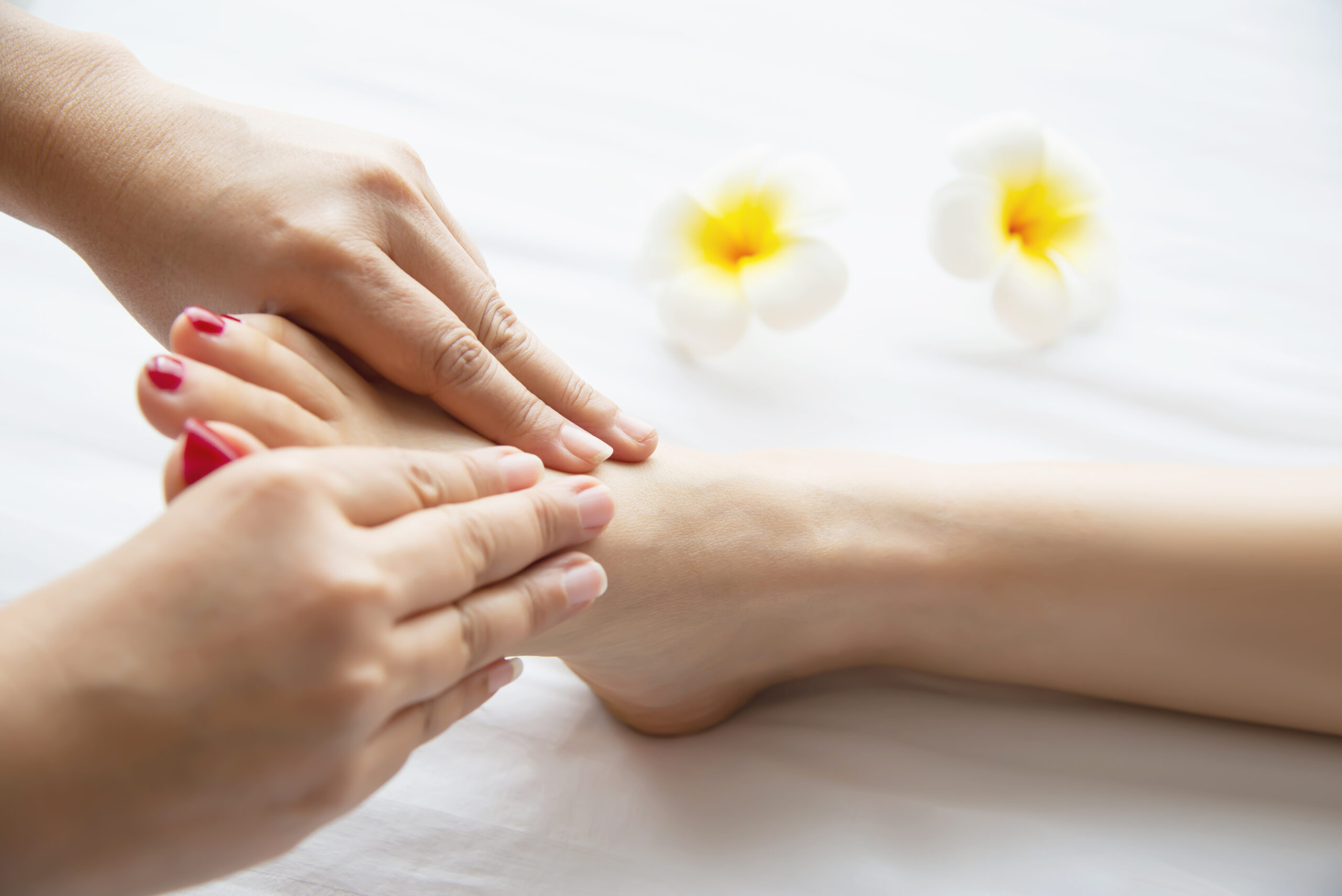
At its most basic level, reflexology is a practice in which pressure is applied to specific points on the feet or hands. The traditional idea behind it is that these points correspond to other parts of the body. A reflexologist works on those areas with the belief that this can support relaxation, ease tension, and encourage the body’s own healing processes. That is the central framework of the practice, even though those body maps and energy-based explanations have not been proven in a scientific way.
Part of why reflexology has lasted is because it offers something people are quietly hungry for: touch, pause, and a sense that the body is more connected than it appears. In reflexology traditions, the feet are not treated as “just feet.” They are approached almost like a small mirror of the whole person. A practitioner may use a foot chart, pressing different zones that are believed to relate to organs, glands, the spine, or other body systems. Some practitioners also work with the hands and occasionally the ears, though feet remain the most common focus.
That said, reflexology is not the same thing as a regular foot massage, even if the two can feel similar when you’re on the receiving end. A foot massage is generally meant to relax muscles and ease soreness. Reflexology adds a theory on top of that touch — the idea that specific points connect to specific internal areas. The interesting part is that current evidence has not shown reflexology to clearly outperform ordinary foot massage. That doesn’t mean people feel nothing. It means the main measurable benefits may come from relaxation, soothing touch, and stress reduction rather than from a proven map of organs on the feet.
And relaxation shouldnt be dismissed so quickly. A therapy does not have to be magical to be meaningful. Many people seek reflexology because they want relief from stress, fatigue, anxiety, or that general worn-down feeling that modern life creates. Cancer Research UK notes that people with cancer sometimes use reflexology to help them relax, cope with stress and anxiety, improve mood, and feel a greater sense of wellbeing. NCCIH also points to limited research suggesting reflexology may help with some symptoms in certain settings, while stressing that the evidence overall remains too limited to support broad claims.
So does reflexology “work”? The honest answer is: sometimes, for some things, in some people — but not in the sweeping way it is sometimes advertised. This is where wellness writing often gets messy. People want certainty. Either “it’s amazing” or “it’s nonsense.” The truth is a little less dramatic. Research on reflexology is mixed. Some studies suggest it may help with relaxation, stress, anxiety, or certain symptoms like pain in specific groups, but many studies are small or not designed strongly enough to draw big conclusions. Cleveland Clinic puts it plainly: the research isn’t strong, and there aren’t well-designed studies showing reflexology is better than foot massage.
That balanced view matters because reflexology is best understood as a complementary therapy, not a replacement for actual medical care. It is not a cure for cancer. It is not a treatment for infections, organ disease, or serious neurological problems. And it should never be sold that way. Cancer Research UK explicitly says there is no scientific evidence that reflexology can cure or prevent disease, including cancer. NCCIH says much the same in gentler terms: reflexology is claimed to cause healing in corresponding body parts, but this has not been proven.
Still, if someone enjoys it and feels calmer afterward, that experience is real. Sometimes the value of a session lies in how it changes the body’s inner atmosphere. You lie back. The room is quiet. Someone works carefully and attentively on your feet. Your breathing slows. The mind stops racing for an hour. That alone can make a person feel better. And honestly, many people are more touch-deprived and overstimulated than they realize. Reflexology may not solve everything, but for some it creates a rare pocket of ease.
A typical session is fairly simple. The practitioner will usually ask about your health and may ask what brings you in. Sessions often last somewhere between 30 and 60 minutes, though some may go a bit longer. You usually remain fully clothed, apart from exposing your feet and sometimes lower legs, and you either recline in a chair or lie on a treatment table. Pressure may feel soothing on some spots and oddly tender on others. Some practitioners interpret discomfort as a sign of blockage or imbalance, though that explanation belongs more to the tradition of reflexology than to established medical science.
It is also worth saying that reflexology is generally considered low-risk for many people, but “natural” does not mean “for everyone.” Both Cleveland Clinic and Cancer Research UK advise checking with a healthcare professional first if you have circulatory problems, blood clots, gout, fungal foot infections, ulcers, or certain other foot or medical issues. People with cancer or low platelet counts may need extra care, very gentle pressure, or avoidance of certain areas. Pregnancy is another reason to tell the practitioner in advance, since some reflexologists believe certain points may influence labor.
So where does that leave reflexology in the bigger picture?
Probably in a modest but still meaningful place. Not as a miracle. Not as fake comfort either. More like a supportive practice that may help some people relax, feel cared for, and cope a little better with stress or symptoms. The science has not confirmed the grander claims, and that is important to say clearly. But the human side of it — the resting, the attention, the relief, the softening — is not nothing. Sometimes a therapy becomes popular not because every theory behind it is proven, but because people are genuinely craving spaces where the body is listened to instead of pushed.
Maybe thats the wisest way to hold reflexology. With openness, but not gullibility. With curiosity, but not blind belief. If it helps you feel calmer, more settled, more at home in your body, that can have value. Just let it be what it is: a complementary practice, one that may comfort and support, but not one that should replace proper diagnosis, treatment, or medical advice.
In wellness, that kind of honesty goes a long way.
Sources
- National Center for Complementary and Integrative Health, Reflexology.
- Cleveland Clinic, Reflexology: What It Is, and Does It Work?
- Cancer Research UK, Reflexology