The phrase quantum realms carries a certain kind of mystery. It sounds vast, almost sacred, as if somewhere beneath the visible world there is a finer layer of reality quietly shaping everything. In a way, that intuition is not wrong. Modern physics really does tell us that beneath the solid world of tables, skin, breath, trees, and stars, there is a strange and subtle level where matter behaves very differently from what our ordinary senses expect. Quantum mechanics describes that tiny world in terms of quanta, probabilities, wave-particle duality, and discrete energy levels. It is not fantasy. It is one of the deepest scientific descriptions we have of how the microscopic world behaves.
And yet, once people hear that, the imagination runs fast.
Suddenly quantum language starts getting pulled into everything — consciousness, healing, manifestation, spirit, destiny. Some of that comes from wonder, which is beautiful. Some of it comes from confusion too. So if we want to speak honestly about the relation between quantum realms and the mind, body, and spirit, we have to walk with both openness and care. Otherwise we either reduce everything to cold materialism, or we start making claims science has not actually made.
The body is the easiest place to begin.
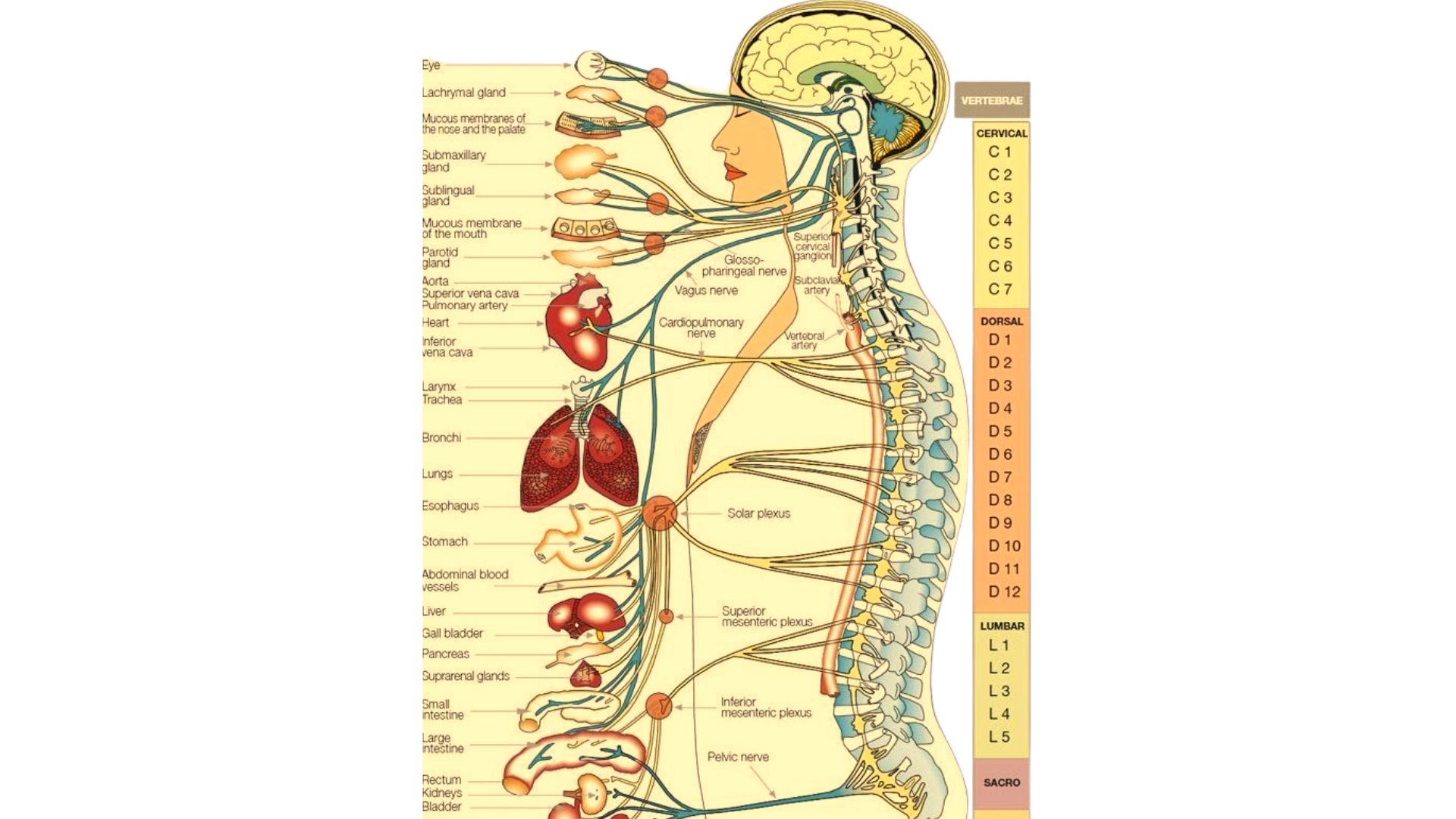
Your body is not separate from the quantum world. It is built from it. Every cell, every atom, every electron transfer, every chemical bond belongs, at its deepest level, to the laws of physics. In that sense, the body is already a quantum event made visible. Researchers in quantum biology note that life processes involve electrons and protons moving through living systems, and that some biological phenomena — including photosynthesis, vision, respiration, catalysis, and certain transport processes — cannot be fully understood without bringing quantum ideas into the picture. That does not make the body magical in a vague way. It makes the body more intricate than we used to imagine.
There is something humbling in that.
What we call flesh is not crude matter after all. It is patterned, intelligent, exquisitely organized matter. The body is not merely a container for life; it is a living expression of invisible order. A heartbeat, a thought, the movement of light through the eye — all of it rests on layers of activity far smaller than perception can catch. No wonder ancient traditions spoke of life as sacred. They did not have quantum equations, but they sensed that visible life stood on invisible foundations.
Still, this is where honesty matters most: the fact that the body is quantum at its foundations does not automatically mean all human experience is best explained by “quantum energy.” That jump is very common, and very tempting. But between subatomic behavior and the full human person there are many layers — chemistry, cells, tissues, organs, nervous systems, memory, trauma, language, relationship, culture. Human life unfolds across all these levels. So while quantum physics helps explain the deep architecture of matter, our day-to-day emotions, habits, and illnesses are not usually understood by physicists waving at particles from a distance. Sometimes people forget that, and the conversation gets a bit dreamy.
The mind is where the topic becomes even more delicate.
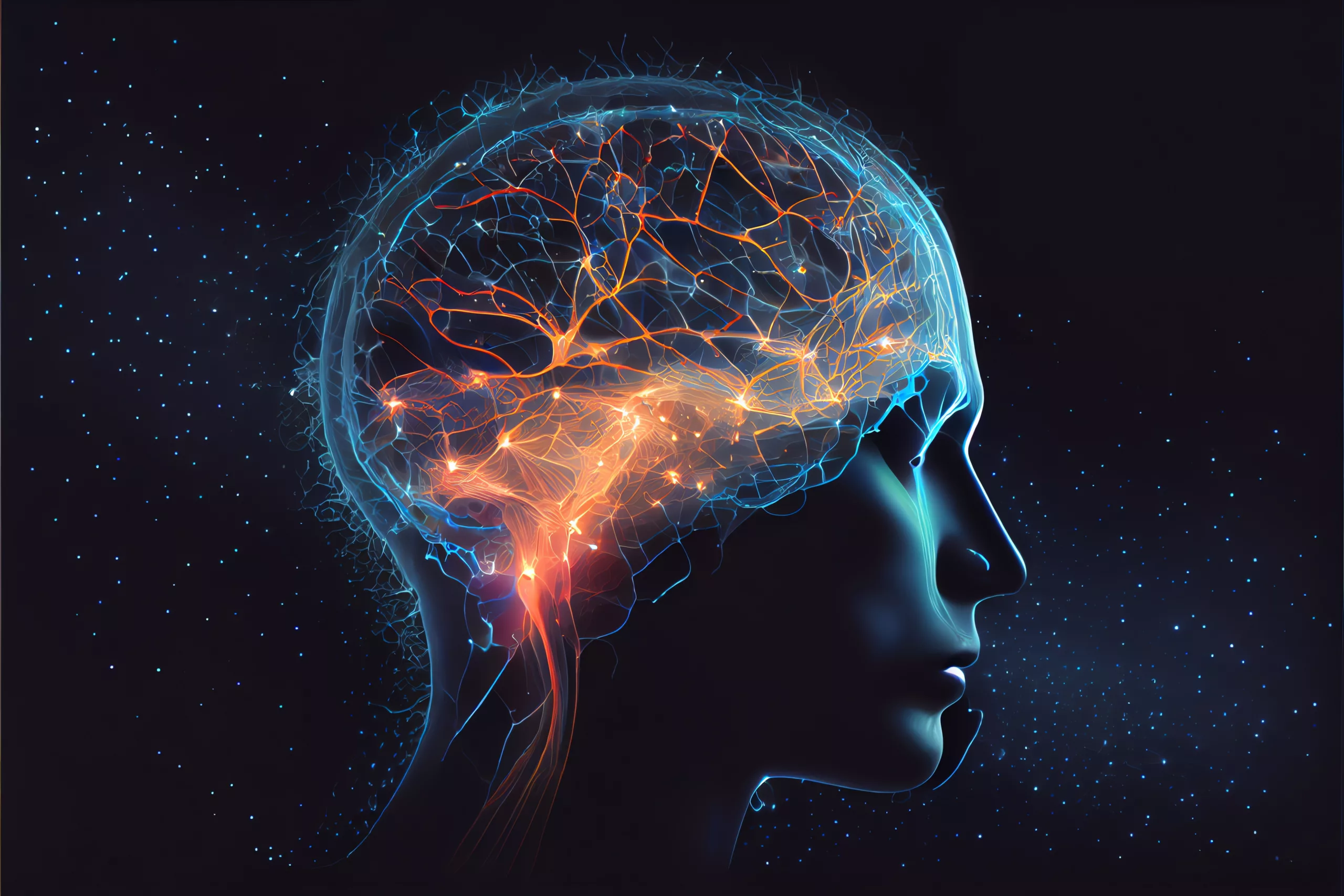
Many people have heard that quantum physics somehow “proves” consciousness creates reality. It is an attractive idea because it makes the mind feel central, almost cosmic. But the scientific study of consciousness is still very unsettled. A major scoping review of consciousness theories found 29 different theoretical models and described the field as highly heterogeneous. It also noted that quantum theories of consciousness are only one category among many, and that testing such ideas in a wet, complex organ like the brain remains difficult. In other words, science has not arrived at one clean answer saying, “Yes, the mind is fundamentally a quantum phenomenon, and here is the final proof.” We are not there.
That does not mean the mind is simple. Far from it.
It only means we should not mistake mystery for conclusion. The mind may involve processes we do not yet fully understand. Consciousness is still one of the great open questions. But at present, saying “the mind is quantum” is more a speculative proposal than an established fact. Some thinkers explore it seriously. Others are skeptical. The debate is alive, but not settled. And honestly, I think there is dignity in admitting that. Not every unanswered question needs to be rushed into certainty.
Then comes the word spirit, which science handles even more cautiously.
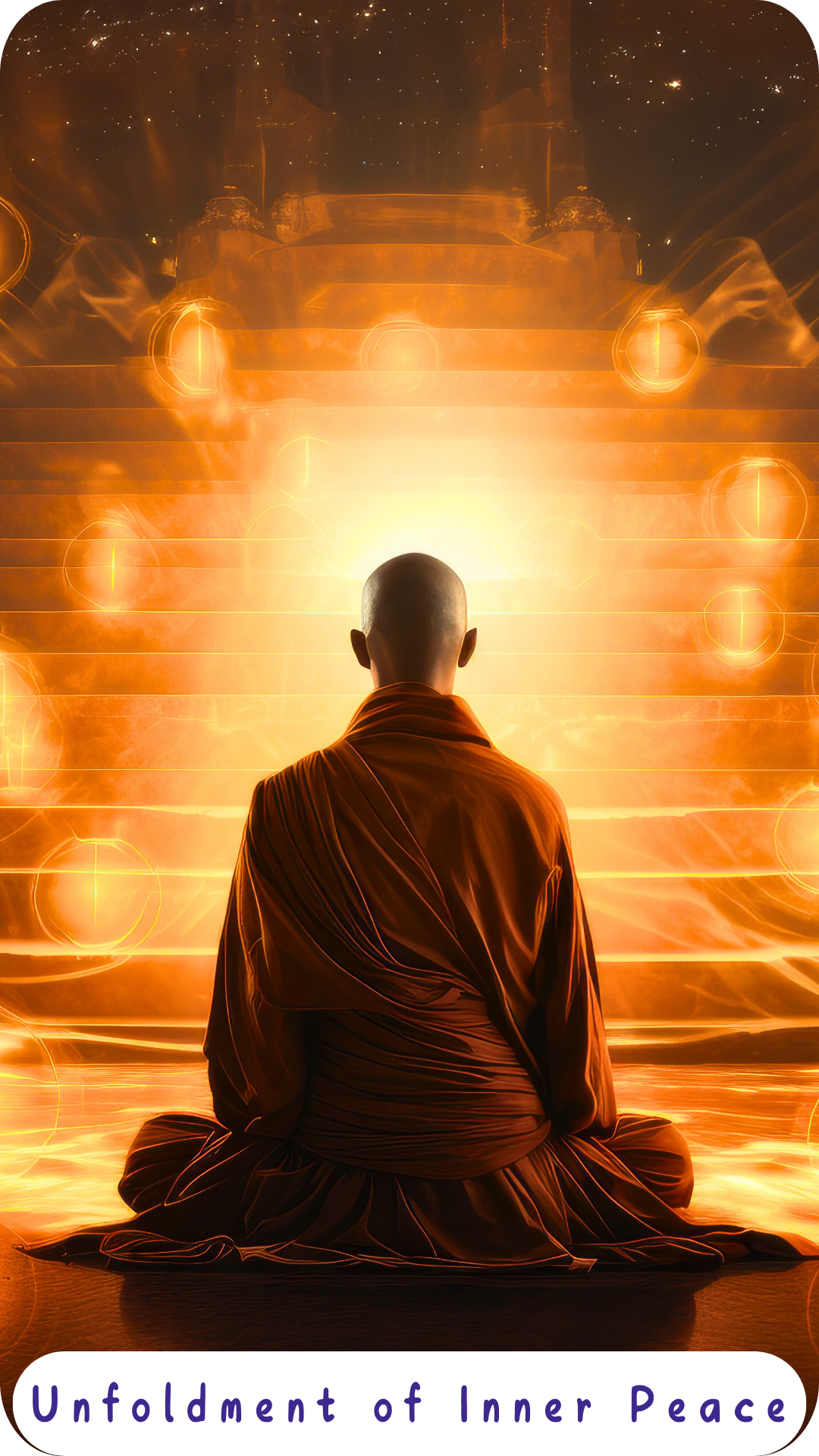
Spirit is not as easy to measure as pulse, voltage, or reaction time. For many people, spirit refers to the deepest sense of aliveness, meaning, inward witness, sacred connection, or the part of us that longs for something beyond survival. Science can study some things that touch this territory — meditation, stress reduction, brain states, emotional regulation, health outcomes, contemplative practices. But spirit itself is not easily pinned to a lab instrument. That does not make it unreal. It just means it belongs partly to a different kind of knowing.
This is where the conversation can become wise instead of defensive.
Mind-body medicine research shows that contemplative practices such as meditation, yoga, and mindfulness affect brain-body interactions and may reduce stress-related suffering. A review from researchers at Massachusetts General Hospital and Harvard Medical School notes that these practices have historically been used not only for health, but also for insight, peace, enlightenment, and connection to something larger than oneself. It also describes emerging evidence of neurobiologic and physiologic changes associated with such practices, while acknowledging that more research is still needed.
I find that very important.
Because maybe the truest meeting point between quantum thought and spiritual life is not literal proof that “spirit is quantum.” Maybe it is something quieter. Quantum physics humbles the old idea that reality is only what appears solid and obvious. It tells us the universe is stranger, finer, and more relational than common sense once assumed. Spiritual life, in its own way, says something similar: that beneath appearances there is depth, and that human beings are more than surface activity. These are not identical claims, of course. Physics is not scripture. Meditation is not particle theory. But they do meet in wonder.
So what is the relation, really?
I would say this: the body is undeniably rooted in a quantum universe. The mind may have links to deeper physical processes, but the exact nature of consciousness is still scientifically unresolved. The spirit belongs more to lived experience, meaning, and inner realisation than to settled laboratory proof. Quantum realms do not hand us a finished theology of human life. But they do invite humility. They remind us that what looks solid is, at its base, dynamic and subtle. They remind us that invisibility is not emptiness.
And maybe that is why the subject keeps drawing people in.
Not because quantum physics has already explained the soul. It hasnt. But because it opens a door in the imagination. It loosens the old mechanical view of life just enough for deeper questions to breathe again. What is awareness? What is presence? Why does inner stillness sometimes feel more real than noise? Why does the body respond to thought, and thought respond to breath, and breath respond to attention? These are not silly questions. They are human questions.
In the end, the healthiest realisation may be this: we do not need to force quantum language to carry all our spiritual longing. The mystery is already enough.
The body is made of astonishing depth. The mind is still not fully understood. The spirit, however one names it, continues to call people toward meaning, stillness, service, and inner awakening. If quantum realms contribute anything to that journey, perhaps it is not a shortcut to answers, but a more reverent way of standing before life itself.
And truthfully, that is a lot.
Sources
Sattin et al., Theoretical Models of Consciousness: A Scoping Review; and Dossett et al., A New Era for Mind–Body Medicine / NCCIH Mind and Body Practices.
U.S. Department of Energy, DOE Explains: Quantum Mechanics.
Royal Society, The future of quantum biology.