The Mahayana tradition is one of the most comforting and spacious forms of Buddhist practice. Many people describe it as a path that helps the heart soften and the mind open. It feels gentle when you read about it and even gentler when you try to live by its teachings. The spirit of Mahayana Buddhism invites people to grow at their own pace. Nothing feels rushed. Nothing feels forced. It slowly guides you toward compassion and clarity.
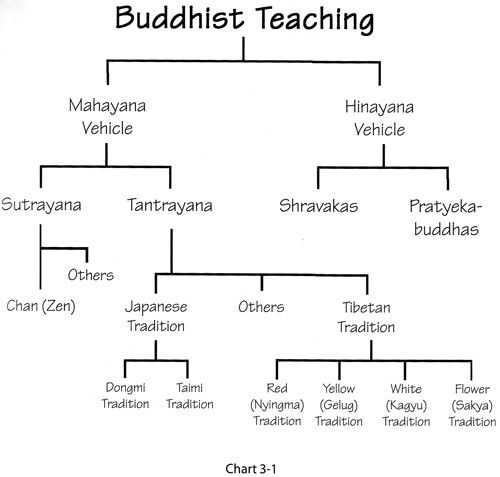
The word Mahayana means Great Vehicle. The idea behind this name is simple. Everyone can walk this path. You do not have to be perfect or wise or highly trained. You only need a sincere wish to understand life and to help others along the way. This tradition grew slowly over centuries and it became a wide and welcoming space where many people found peace.
Where the Mahayana Tradition Began
The Mahayana tradition began to take shape a few hundred years after the life of Gautama Buddha. It did not appear in one moment. It grew slowly within different Buddhist communities. People wanted a path that spoke to ordinary life. They wanted teachings that were kind and open. They wanted practices that helped them care for themselves and for others.
As time passed new scriptures were written and shared. These texts spoke about compassion and wisdom in a deeper way. They also spoke about the possibility that every person carries a seed of awakening. This idea touched many hearts. It gave hope and dignity to people who lived simple lives. It told them that enlightenment was not far away. It was already inside them.
The Mahayana teachings spread across Asia. They reached China, Japan, Korea, Vietnam and later Tibet. Each place shaped the tradition in its own way. Yet the essence remained the same. Compassion. Wisdom. Inner freedom.
The Bodhisattva Path
The Bodhisattva path is at the heart of the Mahayana tradition. It describes a person who wants to awaken but not only for personal peace. A Bodhisattva chooses to stay connected with the world. They choose to help others grow even when the road feels long. This is not a dramatic or heroic choice. It is a quiet promise made from love.
A Bodhisattva says something very simple. I want to understand life and I want to help others understand it too. This intention creates a special kind of strength. It is gentle yet steady. It makes the heart softer and the mind clearer. It also reminds us that spiritual practice is not only about ourselves. It is about the world we share.
Teachings Within the Mahayana Tradition
The Mahayana tradition carries several teachings that change the way we see the world. These teachings are simple to read but they go very deep when you sit with them.
Emptiness
Many people are confused when they first hear the teaching of emptiness. The word sounds strange but the meaning is very human. Emptiness means that everything in life is connected. Nothing stands alone. Every moment arises because of many conditions. When we see this clearly we hold life more gently. We stop clinging to what hurts us. We stop judging others so quickly.
Buddha Nature
The teaching of Buddha nature is one of the most beautiful thoughts in the Mahayana tradition. It says that every being has a quiet spark of goodness inside. This spark does not disappear even when life becomes heavy. It stays within us waiting for space to shine. Knowing this brings comfort to many people. It reminds them that they are not broken. They are simply unfolding.
Compassion and Wisdom
Mahayana Buddhism places compassion and wisdom together. One without the other becomes unbalanced. Compassion helps us feel the world. Wisdom helps us understand it. When both grow side by side our view becomes steady and peaceful.
Skillful Means
Skillful means refers to the ability to help others in ways they can understand. Not everyone learns the same way. The Mahayana tradition teaches us to adjust our actions based on what others need. This creates kindness that feels real and practical.
Sacred Texts and Schools Within Mahayana Buddhism
The Mahayana tradition has many sacred texts. Some are short. Some are long. All of them carry gentle wisdom. The Heart Sutra speaks about emptiness and inner clarity. The Lotus Sutra shares stories filled with hope and resilience. The Diamond Sutra encourages a clear and flexible mind.
Different schools formed around these teachings. Zen focuses on simple and direct meditation. Pure Land centers on devotion and steady faith. Nichiren Buddhism uses chanting as its main practice. Tibetan Buddhism blends meditation mantra and visualisation. These schools may look different on the outside but they all share the same foundation. Compassion. Wisdom. Awakening for all.
Practices in the Mahayana Tradition
Meditation
Meditation in the Mahayana tradition is simple. You sit. You breathe. You watch your thoughts come and go. There is no pressure to reach a grand state. You simply stay with your experience and let it soften on its own.
Loving Kindness Practice
Loving kindness practice is another central method. You repeat simple phrases like May I be peaceful. May others be peaceful. These small wishes begin to shape the heart. They create warmth within you. They also help reduce tension and fear.
Chanting and Recitation
Chanting is common in many Mahayana schools. Mantras like Om Mani Padme Hum are recited slowly. The sound calms the mind. It invites stillness and clarity.
Living With Compassion
The most important practice in Mahayana Buddhism is everyday compassion. It is the way you speak to others. It is the way you listen. It is the way you show patience when irritation rises. These small actions hold great power.
Why the Mahayana Tradition Speaks to Modern Life
Many people today feel overwhelmed. Life moves quickly and the mind becomes crowded. The Mahayana tradition offers a slower rhythm. It encourages us to pause. It teaches us to breathe before reacting. It reminds us that inner peace is not created through force. It grows naturally when the heart feels safe.
This tradition also helps people who feel disconnected. It tells them that they are part of a larger whole. It asks them to care for themselves and for others. It gently guides them toward a steadier path.
Bringing Mahayana Practice Into Daily Life
You do not need special clothes or a special room. You can live the Mahayana way through simple actions. Speak kindly. Listen with patience. Forgive yourself when you make mistakes. Remember that all people carry their own struggles. Offer a small act of help when you can. These are quiet acts but they shape your heart.
You can also create a small moment each morning to sit in silence. Even one minute can change the tone of your day. Soft light. Slow breath. A moment of gratitude. These things nourish the mind.
Conclusion
The Mahayana tradition is a path that welcomes every kind of person. It does not ask for perfection. It asks for sincerity. It teaches compassion in a gentle voice. It helps people discover the goodness that already lives within them.
When life feels heavy you can return to this simple truth. The heart can grow. The mind can soften. The spirit can awaken. The Mahayana tradition shows the way. Step by step. Breath by breath.