Kechari Mudra is known as one of the deeper practices in yoga. Many people see it as a sacred gesture that leads the mind inward. It is often spoken about with a sense of mystery. It can also feel confusing to beginners because the practice is subtle. Yet the heart of Kechari Mudra is simple. It is a path toward inner stillness.
This mudra is described in ancient yogic texts. Some call it the master mudra. Some call it the gesture that turns awareness inward. It is said to unlock deep states of meditation. It is also believed to help energy move smoothly within the body.
Many people approach Kechari Mudra with curiosity. Others approach it with caution. It is a practice that requires patience. It asks you to move slowly and gently.
Understanding What Kechari Mudra Means
The word Kechari can be translated in several ways. One meaning is moving in space. Another meaning is roaming in the sky of consciousness. These words point to the inner experience rather than the physical action.
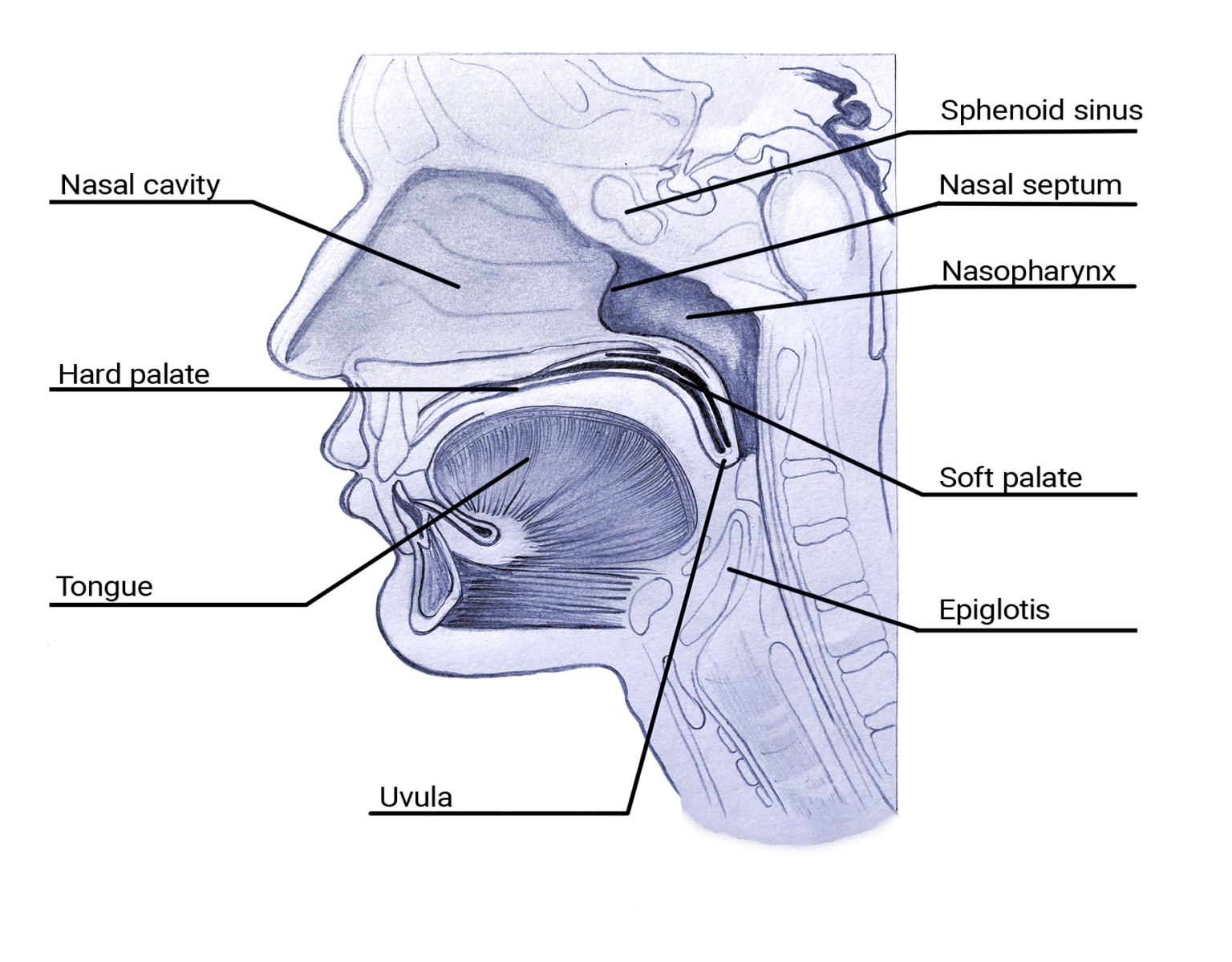
In simple terms Kechari Mudra is a tongue position used in yoga. The tongue slowly moves upward to touch the soft palate. Over time it may reach deeper points. This movement is not forced. It grows naturally with careful practice.
People believe Kechari Mudra affects energy channels in the body. It is said to redirect attention inward. It supports deeper meditation. It helps calm the nervous system. Many also feel a sense of peace when practicing it.
Where the Tradition Comes From
Kechari Mudra appears in ancient texts like the Hatha Yoga Pradipika and the Gheranda Samhita. These texts describe it as a doorway to advanced states of meditation.
The practice was kept secret for many centuries. Teachers often passed it to students only when they were ready. This secrecy was not meant to create fear. It was meant to protect students from rushing. Spiritual practices need time to mature.
Today people learn about Kechari Mudra through books and teachings. Yet the main principle remains the same. Move slowly. Respect your limits. Allow the practice to grow naturally.
How Kechari Mudra Is Practiced
The physical aspect of Kechari Mudra looks simple. The inner experience is deeper.
Here is the basic idea.
- Sit comfortably with a straight spine.
- Relax the jaw.
- Let the tongue move gently upward.
- First touch the roof of the mouth.
- Slowly allow the tongue to slide back.
Many people cannot reach far in the beginning. This is normal. The tongue becomes more flexible with time. Do not force anything. Forcing may cause harm. Patience is the foundation of Kechari Mudra.
Stages of the Practice
Most teachers describe the journey in stages.
- Stage one
The tongue touches the upper palate. - Stage two
The tongue moves further back toward the soft palate. - Stage three
The tongue enters the nasal cavity. - Stage four
Deeper access into higher energy points.
These stages can take months or years. Some people may never reach the upper stages. That is completely fine. The value of Kechari Mudra does not depend on reaching the highest level. It depends on the presence and sincerity you bring to it.
Benefits Often Linked to Kechari Mudra
People describe many benefits when practicing Kechari Mudra. Some benefits come from tradition. Others come from personal experience.
Physical Benefits
- The mudra may help relax the tongue and jaw.
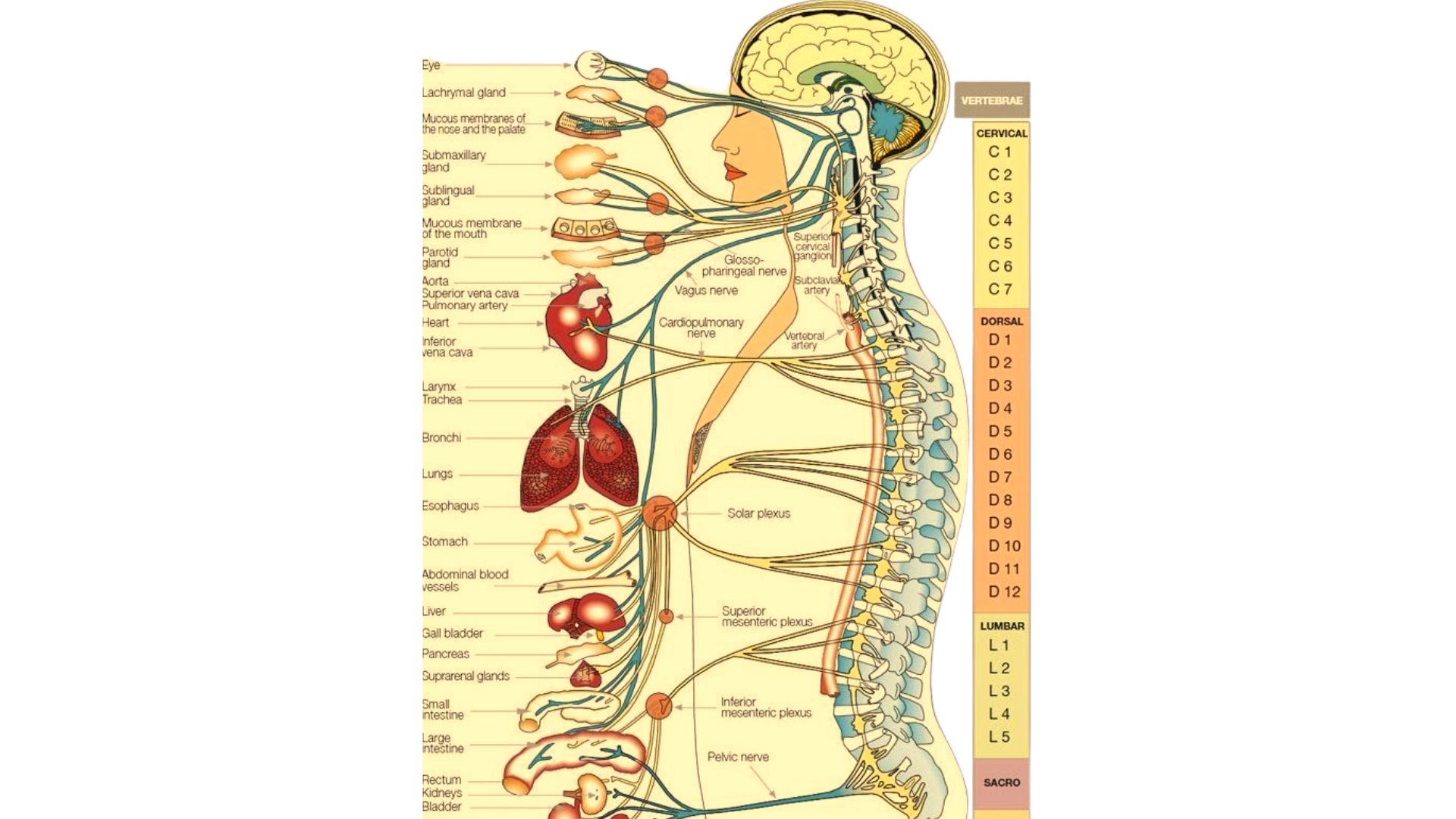
- It may reduce stress by affecting the vagus nerve.
- Some people feel smoother breath.
- Others feel a gentle cooling effect inside the mouth.
Mental and Emotional Benefits
- Calmness may arise during meditation.
- Awareness becomes sharper.
- Thoughts may settle more easily.
- A sense of inner space may appear.
Spiritual Benefits
- Many people feel a shift in energy.
- Some describe a gentle upward pull of attention.
- Meditation becomes deeper.
- A sense of inner bliss may arise with practice.
These experiences vary. Not everyone feels the same effects. Yoga is personal. Each person has their own journey.
Safety and Care While Practicing
Because Kechari Mudra involves sensitive areas, safety is important.
Here are gentle reminders.
- Do not force the tongue.
- Never push beyond your comfort.
- Avoid sharp movements.
- Practice under guidance if possible.
- Move slowly and stop if discomfort appears.
Remember that the goal is peace. Pain or strain is not a part of Kechari Mudra.
Why Kechari Mudra Is Respected in Yoga
Kechari Mudra is respected because it is not only a physical practice. It touches both body and mind. It encourages the practitioner to turn inward. It also slows mental noise. It helps create a natural link between breath and awareness.
Yogic texts say the mudra helps redirect the flow of prana. They say it awakens higher centers of energy. Whether someone believes this literally or symbolically, the effect feels real. Many people report deeper meditation after learning the mudra.
A Simple Approach for Beginners
If you are new to Kechari Mudra, it helps to take small steps.
Start with simple exercises.
- Gently stretch the tongue forward.
- Hold for a few seconds.
- Relax and repeat.
- Touch the roof of the mouth with the tip of the tongue.
- Stay there for comfortable breaths.
These small exercises prepare the tongue for deeper practice. They also teach patience.
You may combine Kechari Mudra with breathing.
- Sit quietly.
- Inhale slowly.
- As you exhale let the tongue rise naturally.
- Hold the mudra for a few breaths.
- Release gently.
Even this simple version can bring calmness.
Inner Effects That Many Practitioners Describe
Kechari Mudra is often associated with quiet inner shifts. These experiences are subtle. They may grow slowly over time.
Common descriptions include:
- A feeling of coolness in the tongue
- A softer breath
- A light upward movement in awareness
- Reduced restlessness
- A sense of sweetness in the mouth
- A gentle inner glow during meditation
These effects are not goals. They are signs that the body and mind are relaxing.
Kechari Mudra in Daily Life
You do not need long meditation sessions to practice. You can do a simple version during the day.
For example:
- While sitting quietly
- Before sleeping
- When feeling anxious
- After waking
- During deep breathing
Even holding the tongue lightly on the upper palate can relax the mind. It creates a sense of grounding. It also keeps the breath steady.
Why the Practice Feels Divine for Many People
Kechari Mudra carries a sacred quality. It asks you to enter a very quiet space. It helps you listen to your inner world. Many people describe it as a doorway to peace.
The practice encourages humility. It shows you that spiritual growth happens slowly. It reminds you that the body and mind open in their own time.
Some say Kechari Mudra brings them closer to their inner light. Others say it opens a space where silence feels alive. These feelings are personal yet meaningful.
A Gentle Reflection
If you ever feel overwhelmed, you can try the simple form of this mudra. Touch the roof of the mouth. Close your eyes. Take a slow breath. You may feel a sense of grounding. You may feel a quiet shift inside. You may feel nothing at first and that is fine.
Kechari Mudra teaches patience. It teaches presence. It shows that peace grows slowly like a calm river.
Conclusion
Kechari Mudra is a sacred yogic practice that invites you inward. It helps the mind settle. It supports deeper meditation. It encourages patience and awareness. You do not need to master every stage. Even the simplest version can bring peace.
Move gently. Respect your body. Allow the practice to unfold naturally. With time Kechari Mudra may reveal a quieter space within you. It may lead you toward calmness. It may help you feel more connected to your inner self.
This is the heart of the mudra. A quiet return to stillness. A soft step toward awakening.